At a glance
- Investing in a beautiful, healthy smile is a wonderful gift to yourself, and with proper care, you can enjoy your stunning new look for many years to come.
- Consistent, high-quality oral hygiene remains the most important factor in the success of your dental work.
- While modern dental materials are very durable, they are not quite as strong as your natural enamel.
- Although many modern cosmetic materials are highly resistant to staining, they are not entirely immune to the effects of certain foods and drinks over time.
- At Dr.
Protecting Your Beautiful Smile
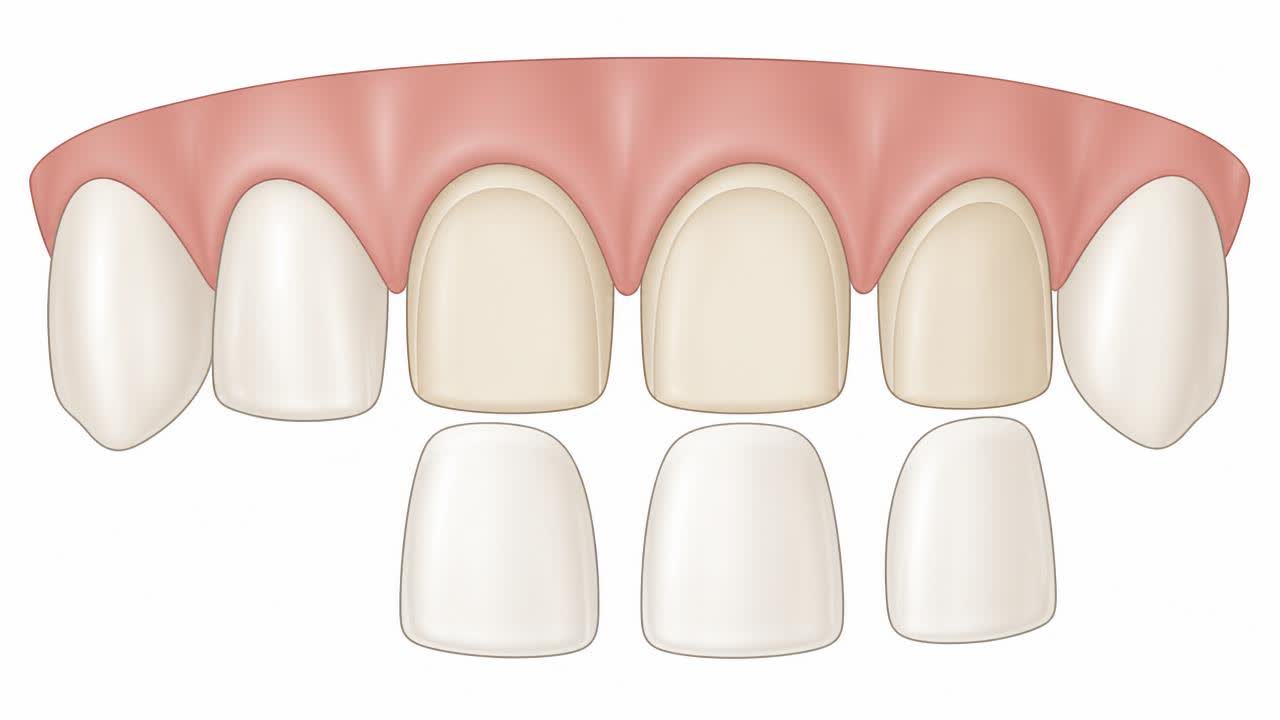
Investing in a beautiful, healthy smile is a wonderful gift to yourself, and with proper care, you can enjoy your stunning new look for many years to come. Maintaining your cosmetic restorations—whether they are porcelain veneers, crowns, or composite bonding—is essentially about keeping your underlying teeth and gums healthy while being mindful of habits that could potentially damage the restoration materials.
At Dr. Amit Sharma Super Speciality Dental Hospital, we believe that education is the key to longevity. We provide you with comprehensive guidance and clear aftercare instructions, ensuring you have the tools and knowledge you need to protect your investment and maintain that vibrant, polished look that gives you so much confidence every single day.
The Foundation of Long-Term Health
Consistent, high-quality oral hygiene remains the most important factor in the success of your dental work. Regular brushing with a non-abrasive, fluoride toothpaste and daily flossing are essential to prevent plaque build-up around the margins of your restorations, keeping your gums healthy and your teeth clean. Remember to use a soft-bristled toothbrush to gently clean around your veneers or crowns.
Scheduling regular dental check-ups and cleanings is equally vital. During these visits, our professional team can monitor the health of your restorations, identify any minor issues before they become larger problems, and ensure that your oral health remains in top condition. These routine visits are the best way to ensure the long-term success of your beautiful, new smile.
Stain Management and Dietary Choices
Although many modern cosmetic materials are highly resistant to staining, they are not entirely immune to the effects of certain foods and drinks over time. Being mindful of your intake of staining substances like coffee, tea, red wine, or tobacco can help you maintain that brilliant, bright shade for as long as possible. If you do enjoy these, rinsing your mouth with water afterwards can make a difference.
Maintaining a healthy, balanced diet not only benefits your overall health but also helps protect your teeth and gums, ensuring that your restorations have a healthy, stable base to rest on. We are here to help you manage your long-term aesthetic goals, and we are always happy to discuss any questions you have about diet, oral health, or the maintenance of your restorations.
Your Partner in Dental Wellbeing
At Dr. Amit Sharma Super Speciality Dental Hospital, our relationship with our patients goes well beyond the final appointment. We are dedicated to the long-term success and health of your smile, and we are always here to offer professional support, maintenance, or advice whenever you need it. Your confidence and satisfaction are our primary goals, and we take great pride in caring for your beautiful, long-lasting smile.
If you ever have any questions about your dental care, or if you simply want to book your regular cleaning and check-up, please do not hesitate to reach out to us. We are always happy to see you and ensure your smile continues to look and feel its absolute best. Thank you for choosing us to be a part of your dental journey and long-term wellbeing.
Mindful Habits for Longevity
While modern dental materials are very durable, they are not quite as strong as your natural enamel. It is important to avoid habits that put unnecessary stress on your restorations, such as biting on hard objects like pens, ice, or fingernails. If you play contact sports, we highly recommend wearing a custom-made athletic mouthguard to protect your teeth and your restorations from potential damage.
If you have a habit of clenching or grinding your teeth, especially at night, this can place significant stress on your veneers and crowns, potentially leading to chipping or wear over time. We can provide you with a custom-fit nightguard, which acts as a protective shield for your smile, helping you maintain the integrity of your dental work even if you grind your teeth while you sleep.
Questions patients ask us
- How often should I have check-ups?
- We generally recommend that all our patients visit us for professional cleanings and check-ups at least every six months. For patients with extensive dental restorations, these regular visits are particularly important to monitor the health of your smile and ensure everything is clean, stable, and perfectly maintained.
- Will my veneers or crowns eventually stain?
- Porcelain veneers and crowns are highly resistant to staining, which is one of their biggest benefits. While they don't stain like natural teeth, it is still good to be mindful of heavy coffee, tea, or tobacco use, which can affect the surface over many years. Regular brushing and cleanings help maintain that bright shade.
- What if I grind my teeth at night?
- We highly recommend a custom-fit nightguard for anyone who grinds or clenches their teeth, as this can put significant pressure on your restorations and increase the risk of chipping. We can create a comfortable, custom nightguard that protects your smile and helps you maintain your investment for the long term.
- What do I do if something feels off?
- Please don't wait to reach out! If you ever notice a change, a chip, or if something simply feels 'off,' contact us as soon as possible. Most minor issues are very easy to address when caught early, and we are always happy to provide the care and support you need.
Sources and further reading
Guidance from professional and public health bodies. Clinical decisions here are made on your own examination and radiographs.
- 1.Whitening, bonding and veneers — patient information — American Dental Association
- 2.Guidance on tooth whitening and cosmetic dental treatment — British Dental Association
- 3.Oral health — fact sheet and global status report — World Health Organization
- 4.Policy statements and oral health definitions — FDI World Dental Federation
- 5.Dental health — conditions, treatments and patient guidance — NHS (UK)
- 6.Systematic reviews of oral and dental interventions — Cochrane Oral Health
- 7.Regulatory framework and dental education standards in India — Dental Council of India
When to see us
Get examined without waiting if any of the following applies to you:
- Sensitivity or pain that continues for more than a few days after cosmetic work
- A veneer, crown or bonded restoration that has chipped, debonded or feels high in the bite
- Gum inflammation or dark margins developing at the edge of a restoration
Get a written plan and cost before you commit
If this is what you are dealing with, the next step is a consultation with radiographs — cosmetic & smile design cases are seen by the specialist who handles that field. You get a written plan and staged cost before anything begins.
reception@dramitsharmahospital.comThis article is general education and does not replace an in-person examination, radiographs or a diagnosis by a qualified dentist.
Clinical terms in this article
Related in Cosmetic & Smile Design
Dental Crowns and Bridges: What They Are and When You Need One
How crowns and bridges restore damaged or missing teeth, the materials used, and what the process and aftercare involve.
Teeth Whitening and Tooth Stains: Causes and Treatment Options
Why teeth discolour over time, the difference between surface stains and deeper discolouration, and how professional whitening compares with home options.
Smile Makeover and Digital Smile Design
How veneers, bonding, whitening and gum contouring are combined into one planned cosmetic outcome.
Teeth Whitening: What Actually Works
In-office versus home whitening, realistic expectations, sensitivity management and what whitening cannot fix.
Black Triangles Between Teeth Causes and Treatment
Open gingival embrasures, commonly called black triangles between teeth and gums, occur when the interdental papilla recedes. Explore the anatomical causes, clinical classifications, restorative and orthodontic treatments, and long-term periodontal maintenance strategies.
Internal Tooth Bleaching for Discolored Nonvital Teeth
Internal tooth bleaching after root canal treatment is a conservative endodontic procedure that lightens intrinsically discoloured, non-vital teeth from within the pulp chamber, restoring natural aesthetics without requiring extensive structural removal for crowns or veneers.