At a glance
- Immediate loading is a specialized dental implant technique where a temporary prosthesis is attached to your newly placed implants on the very same day of the surgery.
- The primary benefit of immediate loading is the significant reduction in your treatment time.
- Not every patient is a candidate for immediate loading, as the procedure requires a strong, healthy jawbone that can provide the necessary stability to hold the implants securely from day one.
- After an immediate loading procedure, your responsibility to maintain excellent oral hygiene and follow our dietary recommendations is critical.
- The temporary teeth you receive with immediate loading are just the first step in your journey.
Understanding Immediate Loading
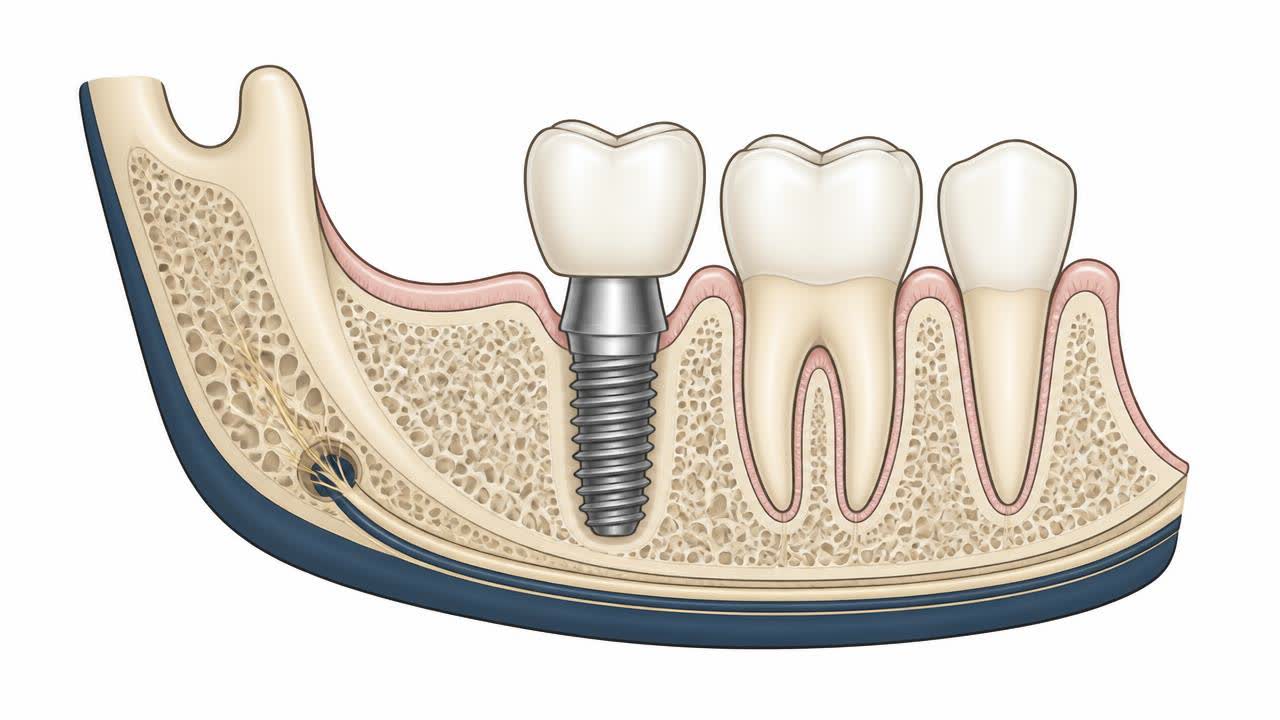
Immediate loading is a specialized dental implant technique where a temporary prosthesis is attached to your newly placed implants on the very same day of the surgery. In traditional implant dentistry, there is typically a waiting period of several months for the implants to integrate with the bone before they can be loaded with any force. This newer approach offers an efficient, transformative solution for many patients.
By strategically placing and securing the implants, we can safely load them immediately, allowing you to walk out with a fully functional set of teeth. This technique requires an expert level of precision and careful case selection. Our team at Dr. Amit Sharma Super Speciality Dental Hospital uses advanced planning and high-quality materials to ensure that this rapid process is safe, comfortable, and achieves exceptional long-term results.
The Benefits of Immediate Loading
The primary benefit of immediate loading is the significant reduction in your treatment time. Instead of waiting months to restore your smile, you can have your function, aesthetics, and confidence restored in just one day. This is a game-changer for patients who want to avoid the embarrassment of being without teeth or the discomfort and instability associated with traditional removable dentures during the long healing phase.
Beyond speed, immediate loading also helps maintain your facial structure. Because the implants are in place and function is restored right away, it can help stimulate the jawbone and prevent the bone resorption that often occurs after tooth loss. It is a highly efficient way to address your dental needs, providing a solid foundation for your final, permanent smile from the very beginning of your treatment.
Who is a Candidate?
Not every patient is a candidate for immediate loading, as the procedure requires a strong, healthy jawbone that can provide the necessary stability to hold the implants securely from day one. During your initial assessment at our Malviya Nagar clinic, we will conduct a detailed examination, including 3D imaging, to evaluate your bone quality and quantity. This determines if your case is suitable for this specific technique.
We also look at your overall oral health and your commitment to post-operative care, which is vital for the success of this method. If immediate loading is not the best choice for you, we will work with you to create a personalized, alternative treatment plan that achieves your goals safely and effectively. We prioritize your long-term success and health above all else in every treatment decision we make.
The Final Restoration
The temporary teeth you receive with immediate loading are just the first step in your journey. As your jawbone fully integrates with the implants over the next few months, your tissues will mature and stabilize. Once this process is complete, we will begin the design and creation of your final, permanent prosthesis, which is custom-fitted to your matured mouth anatomy for optimal fit, aesthetics, and long-term durability.
This two-phase approach ensures you have the best of both worlds: immediate function and appearance, followed by a final, highly personalized, and durable restoration. Our team is dedicated to supporting you through every phase of your treatment, ensuring you receive the highest standard of care from the very first day to the completion of your beautiful, long-term, and life-changing smile.
Post-Surgical Care and Recovery
After an immediate loading procedure, your responsibility to maintain excellent oral hygiene and follow our dietary recommendations is critical. You must be gentle with your new teeth to ensure your implants remain undisturbed while they heal and integrate with your jawbone. We will provide you with all the instructions you need for your recovery, including how to clean your prosthesis and what foods to avoid.
Consistent, daily hygiene is non-negotiable for the long-term health of your implants. We will be monitoring your progress during regular follow-up visits, where we can inspect your healing and address any concerns. Following these post-surgical guidelines is the secret to ensuring that your immediate loading procedure provides the excellent, stable, and long-lasting results you desire, setting you up for your permanent, life-changing smile.
Questions patients ask us
- Why is this not for everyone?
- Immediate loading requires very good bone quality and enough volume to hold the implants securely while they heal. If your bone is too thin or soft, immediate loading could jeopardize the implants. We use advanced imaging to determine if your specific situation safely allows for this procedure.
- What happens if an implant fails?
- While our success rates for immediate loading are very high, implant failure is a possibility in any surgery. If an implant does not integrate, we will develop a plan to replace it and ensure you still achieve your ultimate goal of a stable, beautiful smile. We are always here to support your health.
- How long do I need to follow the special diet?
- You should follow the recommended soft-diet guidelines until your implants have fully integrated, which typically takes a few months. We will monitor your healing progress and give you the go-ahead to introduce firmer foods at your follow-up appointments when your implants are stable enough to handle the force.
- Is the final prosthesis different?
- Yes, the final prosthesis is a custom-made restoration created after your jaw tissues have fully healed. It is engineered to provide the best possible comfort, fit, and appearance, building on the success of your immediate-loading healing phase to ensure you receive a durable, long-term solution for your missing teeth.
Sources and further reading
Guidance from professional and public health bodies. Clinical decisions here are made on your own examination and radiographs.
- 1.ITI Treatment Guide series and consensus statements — International Team for Implantology (ITI)
- 2.Consensus reports on implant dentistry — European Association for Osseointegration
- 3.Prosthodontic and edentulous-care patient guidance — American College of Prosthodontists
- 4.Oral health — fact sheet and global status report — World Health Organization
- 5.Policy statements and oral health definitions — FDI World Dental Federation
- 6.Dental health — conditions, treatments and patient guidance — NHS (UK)
- 7.Systematic reviews of oral and dental interventions — Cochrane Oral Health
- 8.Regulatory framework and dental education standards in India — Dental Council of India
When to see us
Get examined without waiting if any of the following applies to you:
- Pain, looseness or pus around an implant or a fixed bridge
- A crown, bridge or denture that has fractured or come away
- Gum swelling that keeps returning around the same restoration
Get a written plan and cost before you commit
If this is what you are dealing with, the next step is a consultation with radiographs — implants & missing teeth cases are seen by the specialist who handles that field. You get a written plan and staged cost before anything begins.
reception@dramitsharmahospital.comThis article is general education and does not replace an in-person examination, radiographs or a diagnosis by a qualified dentist.
Clinical terms in this article
Related in Implants & Missing Teeth
Missing Teeth: Comparing Dentures, Bridges and Implant Options
What happens if a missing tooth is left unreplaced, and how dentures, bridges and implants compare on comfort, longevity and bone health.
Dental Implants: A Complete Guide
How titanium implants replace missing teeth, who qualifies, the step-by-step timeline and how long they last.
Full Mouth Rehabilitation
Rebuilding a worn, collapsed or heavily damaged dentition with a sequenced, whole-mouth treatment plan.
Peri-Implant Mucositis Symptoms and Early Intervention
Peri-implant mucositis is a plaque-induced, reversible inflammatory lesion affecting the soft tissues surrounding a dental implant without bone loss. Prompt professional debridement, risk-factor modification, and meticulous biofilm control prevent progression to irreversible peri-implantitis.
Peri-Implantitis Symptoms Bone Loss and Implant Salvage
Peri-implantitis is an inflammatory condition causing progressive marginal bone loss around dental implants. Early detection, thorough decontamination, and advanced surgical salvage techniques can arrest bone destruction, resolve inflammation, and preserve implant stability.
Root Canal Retreatment vs Tooth Extraction and Implant
This clinical guide evaluates root canal retreatment versus tooth extraction and dental implant placement. Learn about biological tooth preservation, anatomical considerations, procedural steps, longevity, recovery expectations, and diagnostic criteria to make an informed oral healthcare decision.