At a glance
- Dental enamel is the most highly mineralised tissue in the human body, composed primarily of an inorganic crystalline lattice known as hydroxyapatite.
- Dental caries is a multifactorial, biofilm-mediated, dynamic disease driven by the frequent dietary intake of fermentable carbohydrates.
- The earliest macroscopic manifestation of dental caries is the initial non-cavitated lesion, clinically termed a white spot lesion.
- Dentists employ rigorous diagnostic protocols to detect demineralisation before irreversible cavitated destruction occurs.
- Fluoride mouthwashes are primarily categorised by their chemical concentration and intended application frequency.
Understanding Fluoride Rinses and Dental Hard Tissue Anatomy
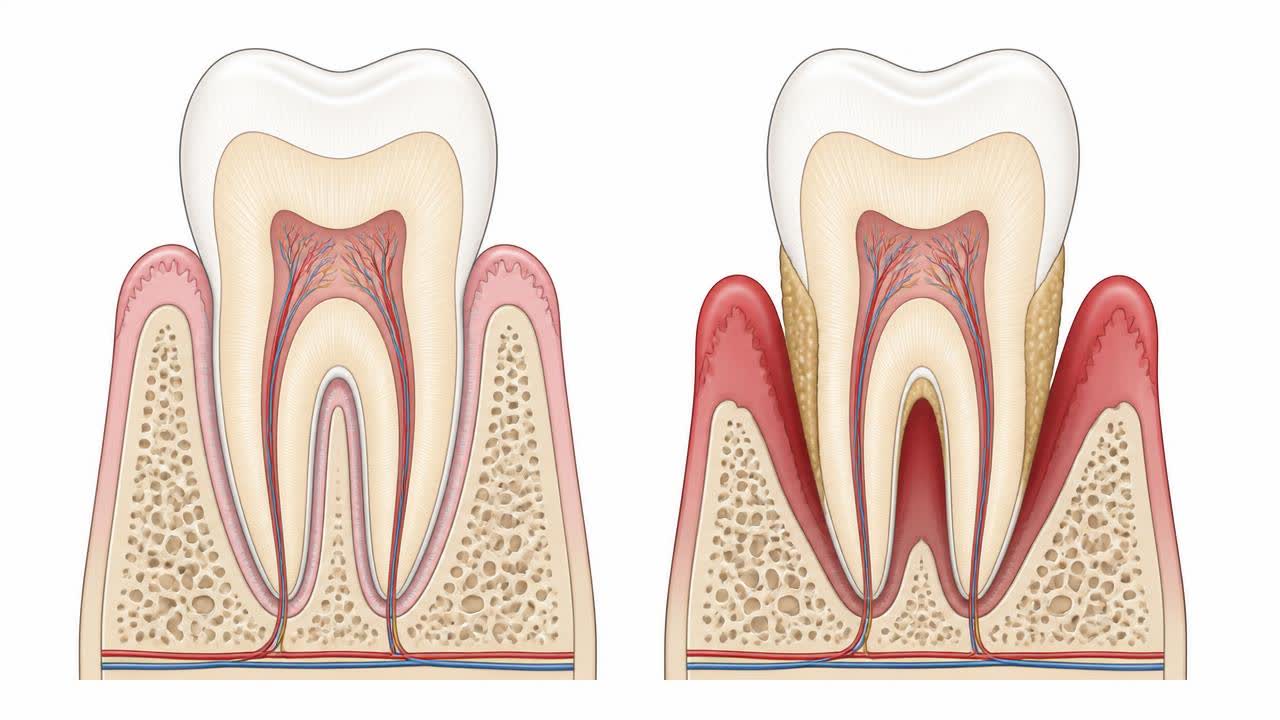
Dental enamel is the most highly mineralised tissue in the human body, composed primarily of an inorganic crystalline lattice known as hydroxyapatite. Beneath the enamel lies dentine, a softer, vital tissue traversed by microscopic dentinal tubules that communicate directly with the dental pulp. Throughout the day, the oral cavity undergoes continuous biochemical cycles of demineralisation and remineralisation. Demineralisation occurs when organic acids produced by plaque biofilm bacteria lower the local salivary pH below the critical threshold of 5.5, dissolving calcium and phosphate ions from the crystalline structure of the enamel.
Fluoride mouthwash for cavity prevention works by intervening directly in this dynamic mineral equilibrium. When topical fluoride ions are introduced into the oral environment, they integrate into the demineralised enamel crystal matrix, exchanging hydroxyl groups to form fluorapatite. Fluorapatite possesses a substantially lower solubility profile than native hydroxyapatite, lowering the critical dissolution pH to approximately 4.5. This chemical transformation renders the dental hard tissue significantly more resistant to subsequent bacterial acid challenges while concurrently encouraging the redeposition of salivary calcium and phosphate into subsurface enamel porosities.
Diagnostic Evaluation and Caries Risk Assessment
Dentists employ rigorous diagnostic protocols to detect demineralisation before irreversible cavitated destruction occurs. A comprehensive visual-tactile assessment is performed on clean, dry teeth, frequently graded using validated clinical frameworks such as the International Caries Detection and Assessment System (ICDAS). Tactile exploration is conducted cautiously using a rounded periodontal probe; sharp dental explorers are strictly avoided over early white spot lesions because excessive mechanical pressure can fracture fragile, remineralisable surface enamel, transforming a reversible lesion into an irreversible physical cavity requiring restorative intervention.
Supplemental diagnostic investigations include bitewing radiographs to evaluate interproximal surfaces obscured from direct visual examination. In specialist settings, quantitative light-induced fluorescence (QLF) or fibre-optic transillumination (FOTI) provides objective measurements of enamel mineral changes. Clinicians formulate a structured Caries Risk Assessment (CRA), evaluating biological factors, dietary diaries, salivary flow rates, and social determinants. This systematic risk categorisation informs whether an individual requires basic preventive strategies or advanced topical chemotherapeutic regimens, such as prescriptive daily or weekly fluoride mouth rinses.
Clinical Presentation and Signs of Active Demineralisation
The earliest macroscopic manifestation of dental caries is the initial non-cavitated lesion, clinically termed a white spot lesion. When dried thoroughly under dental unit illumination, active enamel demineralisation appears as a chalky, matte, opaque area situated along the gingival margin, interproximal contact zones, or around orthodontic brackets. At this stage, the surface enamel remains physically intact, though its internal porous architecture has lost significant mineral density. Patients typically experience no subjective symptoms during this initial phase, meaning active disease can advance unnoticed without regular dental assessment.
As demineralisation progresses through the full thickness of enamel to the amelodentinal junction, structural micro-cavitation develops. Exposed dentine allows bacterial invasion into the dentinal tubules, triggering mild to moderate thermal or osmotic sensitivity, particularly to cold liquids and sweet stimuli. In older adults or patients with periodontal attachment loss, gingival recession exposes vulnerable root cementum and dentine. Cementum demineralises at a higher critical pH of 6.2 to 6.7, presenting as soft, yellowish-brown, ill-defined lesions along the root surface that demand urgent targeted topical remineralisation protocols.
Daily versus Weekly Formulations: Pharmacokinetics and Mechanisms
Fluoride mouthwashes are primarily categorised by their chemical concentration and intended application frequency. Daily formulations typically contain sodium fluoride (NaF) at a concentration of 0.05% (equivalent to approximately 225 to 230 parts per million [ppm] of available fluoride ion). In contrast, weekly or fortnightly formulations are higher-potency preparations containing 0.2% sodium fluoride (approximately 900 to 1000 ppm fluoride). Both formulations function as chemotherapeutic adjuvants designed to maintain an elevated reservoir of ionic fluoride within the oral fluid and mucosal biofilms.
The primary pharmacokinetic distinction lies in the concentration gradient and deposition kinetics of calcium fluoride (CaF2)-like precipitates. The higher concentration in 0.2% weekly rinses drives a dense, rapid formation of surface-bound globular precipitates that act as a sustained-release reservoir during subsequent drops in oral pH. Conversely, 0.05% daily rinses provide a continuous, low-level baseline of fluoride ions in salivary secretions. Both modalities exhibit proven efficacy, but clinical selection depends upon patient compliance, age, manual dexterity, and specific disease dynamics.
Clinical Decision-Making: Prescribing Daily vs Weekly Rinses
Prescribing decisions are guided by clinical risk profiling and behavioural feasibility. Daily 0.05% NaF rinses are frequently recommended for individuals with established high-risk daily routines, such as orthodontic patients managing fixed appliances or patients with moderate dietary sugar exposures. Incorporating a daily rinse at a designated time distinct from toothbrushing reinforces habitual compliance. Furthermore, the mild flavour profiles and lower acute toxicity risk render 0.05% daily formulations well suited for home administration among adolescents and adults who can reliably spit out oral solutions.
Weekly 0.2% NaF rinses offer distinct clinical advantages in targeted, high-demand scenarios. They are frequently utilised in institutional settings, supervised community health initiatives, and school-based oral health programmes where daily oversight is logistically impractical. Clinicians also prescribe 0.2% weekly rinses for adults with severe xerostomia, extensive root caries, or cognitive and physical impairments where a single, supervised weekly protocol is more achievable than daily adherence. The higher single-dose delivery provides substantial remineralisation reinforcement without requiring daily behavioural disruption.
Step-by-Step Application Protocol and Timing
To maximise therapeutic bioavailability, the application protocol for fluoride mouthwash for cavity prevention must be executed correctly. The rinse must never be used immediately following toothbrushing with fluoridated toothpaste. Standard toothpaste contains 1350 to 1500 ppm fluoride; rinsing immediately with a lower-concentration 225 ppm daily mouthwash or even water washes away the concentrated toothpaste residue, inadvertently diluting the therapeutic benefit. Patients should brush, spit out the excess paste without rinsing with water, and use their fluoride mouthwash at a completely separate time, such as after lunch.
The physical administration involves measuring exactly 10 millilitres of the solution (or 5 millilitres for younger paediatric patients under supervision). The solution should be vigorously swished around all quadrants of the mouth for a full 60 seconds, forcing the liquid through interproximal spaces, before being thoroughly expectorated into a sink. Under no circumstances should the solution be swallowed. Following expectoration, the patient must refrain from eating, drinking, rinsing with water, or smoking for at least 30 minutes to allow uninterrupted mineral exchange between the saliva-fluoride interface and the enamel surface.
Potential Adverse Effects, Limitations, and Management
When used in accordance with clinical guidance, fluoride mouthwashes exhibit an exemplary safety record; nevertheless, adverse effects can arise from improper administration or excessive systemic absorption. In children under six years of age, the swallow reflex may be incompletely coordinated, presenting a risk of chronic ingestion that can contribute to dental fluorosis in unerupted developing permanent teeth. Consequently, over-the-counter and prescription fluoride rinses are contraindicated in children below six years unless explicitly directed and monitored by a paediatric dental specialist.
Acute accidental ingestion of large quantities of fluoride rinse may cause transient gastrointestinal distress, including nausea, abdominal cramping, and vomiting, due to the formation of hydrofluoric acid in the stomach. Management of mild over-ingestion involves administering an oral calcium source, such as milk or calcium-containing antacids, to bind free fluoride ions into insoluble calcium fluoride. For adult formulations, alcohol-containing mouthwashes can occasionally cause mucosal desiccation or burning sensations; individuals with pre-existing oral ulcerations, lichen planus, or xerostomia should strictly select alcohol-free, neutral-pH formulations.
Evidence and further reading
The therapeutic efficacy of fluoride rinses for caries prevention is supported by extensive systematic reviews published by the Cochrane Collaboration, which confirm that regular, supervised use of sodium fluoride mouthwash yields a clear reduction in decayed, missing, and filled tooth surfaces in children and adolescents compared to non-fluoride controls. Authoritative clinical recommendations from the British Society of Paediatric Dentistry, the European Federation of Periodontology, the American Dental Association, and the FDI World Dental Federation reinforce that both daily (0.05% NaF) and weekly (0.2% NaF) protocols provide clinically meaningful remineralisation and caries inhibition when appropriately matched to patient risk profiles.
National health authorities, including the National Institute for Health and Care Excellence (NICE) and Public Health England (within the 'Delivering Better Oral Health' toolkit), highlight that the choice between daily and weekly regimens should be dictated by individual risk stratification, appliance usage, and behavioural adherence. Clinical investigations published in the Journal of the American Dental Association and the Journal of Dental Research continue to validate that while toothpaste remains the cornerstone of daily prevention, topical fluoride rinses serve as an indispensable chemotherapeutic adjunct in controlling hard tissue demineralisation.
Aetiology of Demineralisation and Caries Risk Profiles
Dental caries is a multifactorial, biofilm-mediated, dynamic disease driven by the frequent dietary intake of fermentable carbohydrates. Acidogenic and aciduric bacteria, particularly Streptococcus mutans and Lactobacilli species, metabolise refined sugars into lactic, acetic, and propionic acids. The frequency of carbohydrate exposure, rather than total volume, dictates the duration of acid exposure depicted by the classic Stephan curve. Without adequate rest periods, physiological saliva buffers—principally bicarbonate ions—are overwhelmed, leading to net mineral loss from the tooth structure over time.
Specific patient cohorts exhibit elevated caries vulnerability due to systemic, anatomical, or behavioural variables. Reduced salivary flow, termed xerostomia, whether secondary to autoimmune disorders such as Sjögren's syndrome, therapeutic head and neck radiotherapy, or polypharmacy involving anticholinergic medications, severely impairs natural clearance and remineralisation. Fixed orthodontic appliances create complex stagnation niches that impede mechanical plaque debridement. In addition, lifestyle practices such as chewing paan or gutka, which often incorporate sweetened areca nut preparations, generate prolonged cariogenic and mechanically abrasive challenges across both enamel and exposed root surfaces.
Comprehensive Caries Prevention and Long-Term Maintenance
Fluoride mouthwashes represent an adjunctive measure rather than a standalone substitute for primary oral hygiene practices. Foundational caries prevention requires brushing twice daily with an evidence-based fluoridated toothpaste containing at least 1350 to 1500 ppm fluoride, coupled with daily interdental cleaning using floss or interdental brushes to disrupt plaque biofilm from inaccessible proximal surfaces. Dietary control remains equally fundamental: reducing the frequency of refined sugars, acidic carbonated beverages, and sticky fermentable snacks stops the chronic acid production driving hard-tissue breakdown.
Professional maintenance programmes must complement home care. High-risk patients benefit from professional application of concentrated fluoride varnish (typically 22,600 ppm NaF) applied at three- to six-month intervals during regular dental recall appointments. In regions where community water fluoridation is absent or highly variable, and among populations with specific habitual risks—such as the consumption of sweetened tobacco or areca nut preparations—clinicians may also integrate prescription high-fluoride toothpastes (2800 or 5000 ppm) alongside structured daily or weekly remineralising mouthwash regimens.
Red Flags and When to Seek Immediate Dental Attention
While non-cavitated white spot lesions can be successfully arrested and remineralised through topical fluoride regimens, advanced carious lesions that have cavitated structurally or compromised the internal dental pulp require immediate professional intervention. Patients must not rely on mouthwashes to treat established cavities or symptomatic dental pathology. A home rinse cannot reverse physical cavitation, remove necrotic infected dentine, or resolve internal pulpal inflammation.
Clinical red flags necessitating urgent dental assessment include constant, throbbing, spontaneous tooth pain; heightened tenderness when biting down; prolonged sensitivity to hot or cold temperatures lasting minutes after the stimulus is removed; visible intra-oral swelling along the gingiva or palate; and any facial asymmetry, swelling, or systemic fever. Rapid swelling extending into the floor of the mouth, neck, or periorbital spaces represents a severe, potentially life-threatening spreading odontogenic infection that demands immediate emergency hospital evaluation and surgical management.
Questions patients ask us
- Is a daily 0.05% fluoride rinse better than a weekly 0.2% rinse?
- Neither formulation is universally superior; both deliver comparable caries-reduction benefits when used correctly. A daily 0.05% sodium fluoride rinse provides a frequent, steady supply of fluoride ions, which suits individuals with established daily home care routines and fixed braces. A weekly 0.2% rinse provides a higher initial concentration that creates substantial mineral reservoirs, making it ideal for supervised community programmes or patients who prefer a single weekly regimen.
- Can I rinse with fluoride mouthwash immediately after brushing my teeth?
- No. Standard adult toothpastes contain roughly 1350 to 1500 ppm fluoride. If you rinse immediately after brushing—even with a 225 ppm daily fluoride mouthwash—you wash away the higher-concentration toothpaste residue, reducing its protective effect. Instead, spit out excess toothpaste after brushing without rinsing with water, and use your fluoride mouthwash at a separate time of day, such as after lunch.
- Can a fluoride mouthwash reverse an existing cavity?
- Fluoride mouthwash can arrest and remineralise early, non-cavitated white spot lesions where the outer enamel surface remains structurally intact. However, once physical breakdown or a distinct hole has formed in the enamel or dentine, topical rinses cannot rebuild the missing tooth structure. Cavitated lesions require professional dental cleaning and restorative treatment, such as a composite filling or crown.
- At what age can children start using a fluoride mouthwash?
- Children can generally begin using a fluoride mouthwash from six years of age, provided they possess the manual dexterity and swallow-reflex control to reliably spit out the entire volume. Children under six should avoid fluoride rinses due to the risk of swallowing the solution, which can lead to dental fluorosis in their developing permanent teeth.
- Should I choose an alcohol-free fluoride mouthwash?
- Alcohol-free formulations are widely recommended by dental professionals. Alcohol can cause drying of the oral mucosa, burning sensations, and discomfort, especially in patients with reduced salivary flow, oral ulcerations, or sensitive tissues. Alcohol-free sodium fluoride mouthwashes deliver identical remineralisation and cavity-prevention benefits without aggravating the soft tissues.
- How long should I wait to eat or drink after using a fluoride rinse?
- You should avoid eating, drinking, rinsing with water, or smoking for at least 30 minutes following the use of a fluoride mouthwash. This waiting period ensures that the topical fluoride ions remain undisturbed on the tooth surfaces, allowing adequate time for chemical uptake and the formation of acid-resistant fluorapatite within the enamel.
- Can fluoride mouthwash help with root caries in older adults?
- Yes. Exposed root surfaces consist of cementum and dentine, which are softer than enamel and demineralise at a higher pH. Daily or weekly fluoride mouthwashes significantly increase the mineral density of exposed root dentine, inhibiting bacterial enzymes and halting active root caries when combined with meticulous plaque removal and professional fluoride applications.
- What should I do if my child accidentally swallows fluoride mouthwash?
- If a child swallows a standard single rinsing dose (10 ml of 0.05% rinse), it is unlikely to cause serious harm, though mild stomach irritation may occur. Giving them a glass of milk or calcium-containing yoghurt can help bind the fluoride in the stomach. If a child ingests a large quantity from the bottle, contact your local poison control centre or seek emergency medical care immediately.
Sources and further reading
Guidance from professional and public health bodies. Clinical decisions here are made on your own examination and radiographs.
- 1.EFP clinical practice guidelines for periodontitis — European Federation of Periodontology
- 2.Classification of periodontal and peri-implant diseases — American Academy of Periodontology
- 3.Prevention and treatment of periodontal diseases in practice — Scottish Dental Clinical Effectiveness Programme
- 4.Oral health — fact sheet and global status report — World Health Organization
- 5.Policy statements and oral health definitions — FDI World Dental Federation
- 6.Dental health — conditions, treatments and patient guidance — NHS (UK)
- 7.Systematic reviews of oral and dental interventions — Cochrane Oral Health
- 8.Regulatory framework and dental education standards in India — Dental Council of India
When to see us
Get examined without waiting if any of the following applies to you:
- Gums that bleed without provocation, or bleeding that has become heavier
- Teeth that feel loose, are drifting, or gaps that are opening up
- Persistent bad breath or taste, gum abscesses, or pus on pressing the gum
Get a written plan and cost before you commit
If this is what you are dealing with, the next step is a consultation with radiographs — gums & prevention cases are seen by the specialist who handles that field. You get a written plan and staged cost before anything begins.
reception@dramitsharmahospital.comThis article is general education and does not replace an in-person examination, radiographs or a diagnosis by a qualified dentist.
Clinical terms in this article
Related in Gums & Prevention
Bleeding Gums and Gum Disease: A Complete Guide
What bleeding gums usually mean, how gingivitis progresses into periodontal disease, and the treatment path from scaling to gum surgery.
Gum Disease: Detection and Treatment
From reversible gingivitis to periodontitis, the warning signs, staged treatment and the link to overall health.
Preventive Dentistry and Home Care
The routine that prevents most dental disease: brushing technique, interdental cleaning, diet and recall visits.
Chronic Bad Breath Caused by Gum Infection
Chronic bad breath, or halitosis, is frequently driven by underlying gum disease. Subgingival bacteria produce volatile sulphur compounds within periodontal pockets. Effective resolution requires professional periodontal debridement, targeted biofilm disruption, and meticulous daily interdental hygiene rather than cosmetic masking.
Loose Permanent Teeth from Advanced Periodontal Disease
Loose teeth from advanced gum disease occur when severe chronic inflammation destroys the supporting alveolar bone and periodontal ligament. With timely periodontal therapy, splinting, and meticulous plaque control, many loose teeth can be stabilised and preserved without extraction.
Furcation Involvement and Bone Loss Between Roots
Furcation involvement describes bone loss between the roots of multi-rooted molars caused by advanced periodontal disease. This clinical guide explains its causes, diagnostic staging, surgical and non-surgical therapies, daily maintenance, and red flag symptoms requiring urgent care.