At a glance
- Composite bonding uses a tooth-coloured resin material, the same used for white fillings, applied and sculpted directly onto the tooth surface by hand.
- Bonding is commonly used to repair a chipped edge, close a small gap between front teeth, lengthen a worn tooth, or mask a patch of discolouration such as a white or brown fluorosis mark.
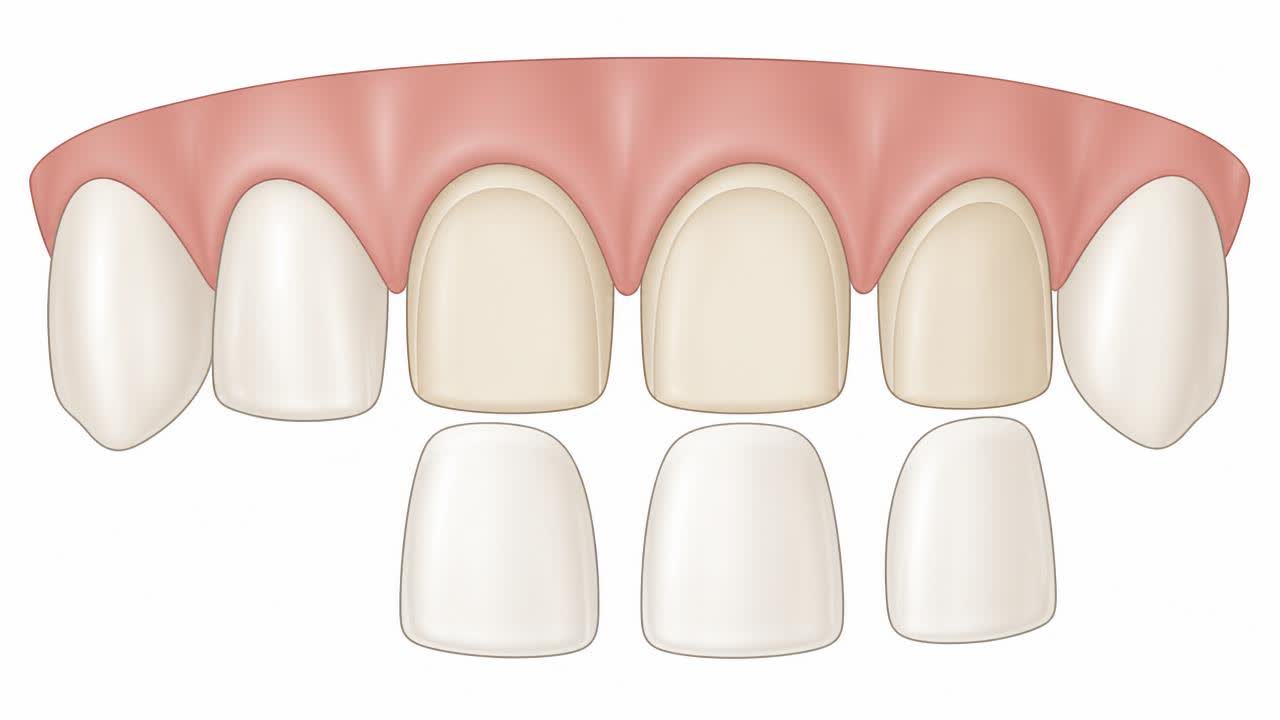
- When several front teeth need more comprehensive correction of shape or colour, a full set of composite veneers can be built up across the smile in one or two visits.
- Good daily brushing and flossing keep the margins of bonded restorations clean and reduce staining at the edges.
How Composite Bonding Works
Composite bonding uses a tooth-coloured resin material, the same used for white fillings, applied and sculpted directly onto the tooth surface by hand. The tooth is first cleaned and lightly roughened, an adhesive is applied, and the resin is built up in thin layers, each hardened with a curing light, before being shaped and polished to blend with surrounding teeth.
Because the material is applied freehand rather than made in a laboratory, results depend heavily on the dentist's skill in sculpting natural-looking contours and matching shade under different lighting conditions. This makes choosing an experienced clinician particularly important for visible front teeth.
Common Uses for Bonding
Bonding is commonly used to repair a chipped edge, close a small gap between front teeth, lengthen a worn tooth, or mask a patch of discolouration such as a white or brown fluorosis mark. It can often be completed in a single appointment without any injection if the tooth is otherwise healthy.
It is also useful as an interim solution for younger patients whose teeth and gums are still settling after orthodontic treatment, since bonding can be added or adjusted easily without committing to a more permanent restoration like a veneer at a young age.
Composite Veneers as a Fuller Alternative
When several front teeth need more comprehensive correction of shape or colour, a full set of composite veneers can be built up across the smile in one or two visits. This offers a more affordable and reversible alternative to porcelain veneers, particularly useful for patients who want to trial a new smile shape before committing to a permanent option.
The trade-off is that composite is softer and more porous than porcelain, so it is more prone to staining from strongly coloured foods and beverages and to minor wear over time, typically needing polishing or partial refreshing every few years rather than lasting a decade or more untouched.
Caring for Bonded Teeth
Good daily brushing and flossing keep the margins of bonded restorations clean and reduce staining at the edges. We recommend limiting prolonged contact with tea, coffee, red curries and tobacco, and rinsing with water after consuming strongly pigmented foods where practical.
Routine review appointments allow us to polish the surface and catch any small chips early, since minor damage is usually simple and inexpensive to repair when addressed promptly rather than left until it worsens.
Questions patients ask us
- How long does composite bonding last?
- Depending on the location, size of the repair and your bite forces, composite bonding typically lasts between three and seven years before it needs polishing, touch-up or replacement, making it a good mid-term cosmetic option.
- Is bonding painful?
- Bonding is usually painless and often does not require any anaesthetic injection, since it mainly involves surface treatment of the tooth rather than deep preparation, though sensitive teeth may need a small amount of numbing gel or local anaesthetic.
- Can composite veneers be whitened later?
- Composite material does not change colour with whitening gels the way natural enamel does, so if you plan to whiten your teeth, this should be done before bonding so the composite can be shade-matched to your newly whitened teeth.
- Is bonding a good option before a big event?
- Yes, bonding is one of the fastest cosmetic fixes available and is popular for weddings and other occasions where a same-day improvement in tooth shape or a closed gap is desired without a lengthy treatment plan.
Sources and further reading
Guidance from professional and public health bodies. Clinical decisions here are made on your own examination and radiographs.
- 1.Whitening, bonding and veneers — patient information — American Dental Association
- 2.Guidance on tooth whitening and cosmetic dental treatment — British Dental Association
- 3.Oral health — fact sheet and global status report — World Health Organization
- 4.Policy statements and oral health definitions — FDI World Dental Federation
- 5.Dental health — conditions, treatments and patient guidance — NHS (UK)
- 6.Systematic reviews of oral and dental interventions — Cochrane Oral Health
- 7.Regulatory framework and dental education standards in India — Dental Council of India
When to see us
Get examined without waiting if any of the following applies to you:
- Sensitivity or pain that continues for more than a few days after cosmetic work
- A veneer, crown or bonded restoration that has chipped, debonded or feels high in the bite
- Gum inflammation or dark margins developing at the edge of a restoration
Get a written plan and cost before you commit
If this is what you are dealing with, the next step is a consultation with radiographs — cosmetic & smile design cases are seen by the specialist who handles that field. You get a written plan and staged cost before anything begins.
reception@dramitsharmahospital.comThis article is general education and does not replace an in-person examination, radiographs or a diagnosis by a qualified dentist.
Clinical terms in this article
Related in Cosmetic & Smile Design
Dental Crowns and Bridges: What They Are and When You Need One
How crowns and bridges restore damaged or missing teeth, the materials used, and what the process and aftercare involve.
Teeth Whitening and Tooth Stains: Causes and Treatment Options
Why teeth discolour over time, the difference between surface stains and deeper discolouration, and how professional whitening compares with home options.
Smile Makeover and Digital Smile Design
How veneers, bonding, whitening and gum contouring are combined into one planned cosmetic outcome.
Teeth Whitening: What Actually Works
In-office versus home whitening, realistic expectations, sensitivity management and what whitening cannot fix.
Black Triangles Between Teeth Causes and Treatment
Open gingival embrasures, commonly called black triangles between teeth and gums, occur when the interdental papilla recedes. Explore the anatomical causes, clinical classifications, restorative and orthodontic treatments, and long-term periodontal maintenance strategies.
Internal Tooth Bleaching for Discolored Nonvital Teeth
Internal tooth bleaching after root canal treatment is a conservative endodontic procedure that lightens intrinsically discoloured, non-vital teeth from within the pulp chamber, restoring natural aesthetics without requiring extensive structural removal for crowns or veneers.