At a glance
- A chipped tooth commonly results from biting on something hard, sports injuries, falls, or minor accidents, and can range from a barely noticeable enamel flake to a more significant fracture exposing the softer dentin layer…
- Small chips affecting only the enamel or a small portion of dentin are usually repaired quickly and effectively using composite bonding, where tooth-coloured resin is sculpted to rebuild the missing corner or edge and polished to…
- Larger chips or fractures that expose a significant portion of dentin, involve the biting edge extensively, or come close to the nerve may require a veneer or crown rather than bonding alone, since these restorations provide…
- For teeth that have become shortened or flattened from long-term wear, treatment often involves rebuilding the biting surfaces using crowns, veneers or a combination across several teeth, sometimes requiring a slight adjustment…
Common Causes of Chips and Wear
A chipped tooth commonly results from biting on something hard, sports injuries, falls, or minor accidents, and can range from a barely noticeable enamel flake to a more significant fracture exposing the softer dentin layer beneath. Generalised wear, on the other hand, tends to build up gradually from habits such as nighttime teeth grinding, acidic food and drink erosion, or long-term brushing with excessive force using a hard-bristled brush.
Identifying whether damage is from a single incident or an ongoing process is important, since ongoing causes like grinding or acid erosion need to be managed alongside any cosmetic repair, otherwise new restorations can suffer the same damage as the natural teeth did.
Repairing Minor Chips
Small chips affecting only the enamel or a small portion of dentin are usually repaired quickly and effectively using composite bonding, where tooth-coloured resin is sculpted to rebuild the missing corner or edge and polished to blend smoothly with the rest of the tooth in a single visit.
This approach preserves the maximum amount of natural tooth structure and is generally the most conservative option for minor damage, though as with any composite work, the repaired edge may need occasional polishing or touch-up over the years.
Managing More Significant Damage
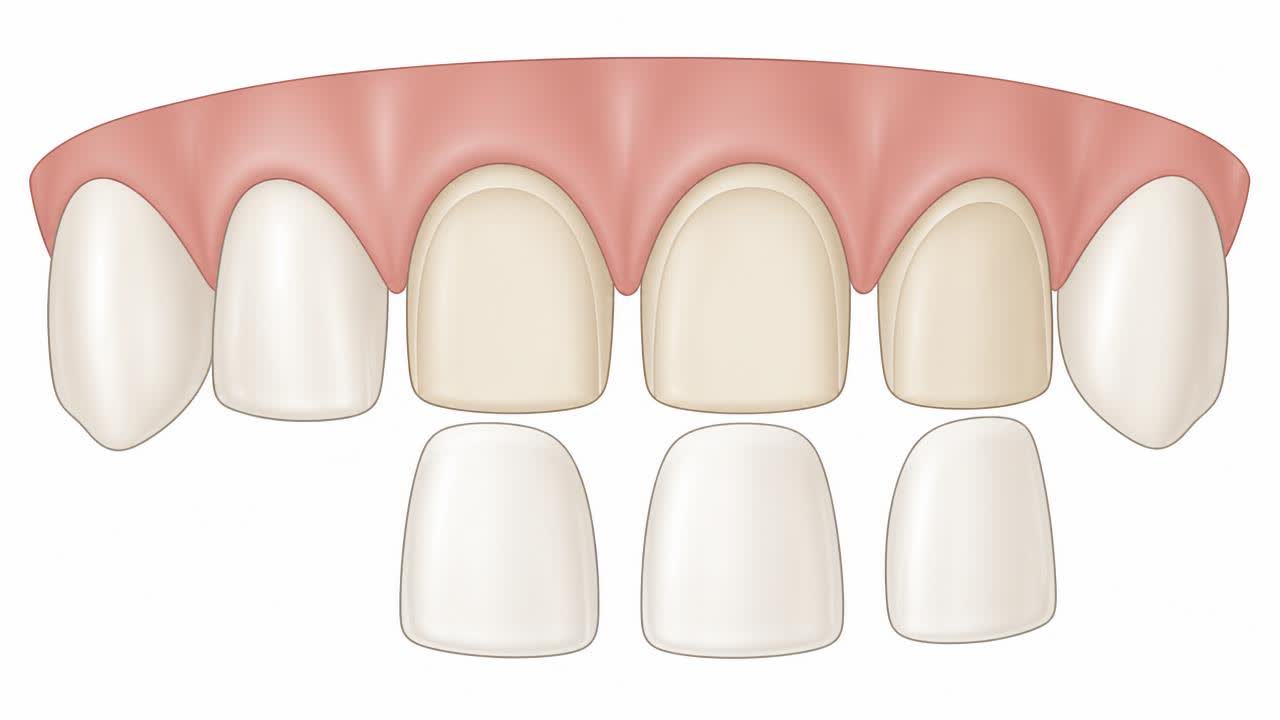
Larger chips or fractures that expose a significant portion of dentin, involve the biting edge extensively, or come close to the nerve may require a veneer or crown rather than bonding alone, since these restorations provide greater strength and durability for more substantial structural loss.
If a fracture has reached the nerve, causing pain or sensitivity to temperature, root canal treatment may be needed before a crown can be placed to protect the remaining tooth. We assess this with an examination and X-ray to determine the extent of damage accurately before recommending a treatment path.
Restoring Generalised Wear
For teeth that have become shortened or flattened from long-term wear, treatment often involves rebuilding the biting surfaces using crowns, veneers or a combination across several teeth, sometimes requiring a slight adjustment of bite height to accommodate the rebuilt tooth surfaces comfortably.
Addressing the underlying cause is essential for lasting results, so we commonly recommend a custom night guard for patients with a grinding habit, and dietary or lifestyle advice for those whose wear is linked to acidic food, drink, or reflux, to protect the new restorations going forward.
Questions patients ask us
- Can a chipped tooth be fixed in one visit?
- Yes, minor to moderate chips can typically be repaired with composite bonding in a single appointment, restoring both appearance and function without the need for a laboratory-made restoration.
- Do all chipped teeth need a crown?
- No, only more extensive chips or fractures affecting a significant portion of the tooth structure generally require a crown. Smaller chips are usually well managed with composite bonding or, for more durability, a veneer.
- Why do my teeth feel shorter than they used to be?
- Gradually shortened teeth are usually a sign of long-term wear from grinding, acid erosion, or a combination of both. This is a progressive process, and it is worth having it assessed to prevent further loss of tooth structure and to determine appropriate restorative options.
- Will a night guard stop further wear?
- A well-fitted custom night guard significantly reduces the forces transmitted to your teeth during grinding, helping protect both natural teeth and any new restorations from further wear, though it works best combined with addressing any underlying stress or bite factors where relevant.
Sources and further reading
Guidance from professional and public health bodies. Clinical decisions here are made on your own examination and radiographs.
- 1.Whitening, bonding and veneers — patient information — American Dental Association
- 2.Guidance on tooth whitening and cosmetic dental treatment — British Dental Association
- 3.Oral health — fact sheet and global status report — World Health Organization
- 4.Policy statements and oral health definitions — FDI World Dental Federation
- 5.Dental health — conditions, treatments and patient guidance — NHS (UK)
- 6.Systematic reviews of oral and dental interventions — Cochrane Oral Health
- 7.Regulatory framework and dental education standards in India — Dental Council of India
When to see us
Get examined without waiting if any of the following applies to you:
- Sensitivity or pain that continues for more than a few days after cosmetic work
- A veneer, crown or bonded restoration that has chipped, debonded or feels high in the bite
- Gum inflammation or dark margins developing at the edge of a restoration
Get a written plan and cost before you commit
If this is what you are dealing with, the next step is a consultation with radiographs — cosmetic & smile design cases are seen by the specialist who handles that field. You get a written plan and staged cost before anything begins.
reception@dramitsharmahospital.comThis article is general education and does not replace an in-person examination, radiographs or a diagnosis by a qualified dentist.
Clinical terms in this article
Related in Cosmetic & Smile Design
Dental Crowns and Bridges: What They Are and When You Need One
How crowns and bridges restore damaged or missing teeth, the materials used, and what the process and aftercare involve.
Teeth Whitening and Tooth Stains: Causes and Treatment Options
Why teeth discolour over time, the difference between surface stains and deeper discolouration, and how professional whitening compares with home options.
Smile Makeover and Digital Smile Design
How veneers, bonding, whitening and gum contouring are combined into one planned cosmetic outcome.
Teeth Whitening: What Actually Works
In-office versus home whitening, realistic expectations, sensitivity management and what whitening cannot fix.
Black Triangles Between Teeth Causes and Treatment
Open gingival embrasures, commonly called black triangles between teeth and gums, occur when the interdental papilla recedes. Explore the anatomical causes, clinical classifications, restorative and orthodontic treatments, and long-term periodontal maintenance strategies.
Internal Tooth Bleaching for Discolored Nonvital Teeth
Internal tooth bleaching after root canal treatment is a conservative endodontic procedure that lightens intrinsically discoloured, non-vital teeth from within the pulp chamber, restoring natural aesthetics without requiring extensive structural removal for crowns or veneers.