At a glance
- The process of bone resorption begins almost immediately after a tooth is extracted.
- The most rapid bone loss typically occurs within the first year after the tooth is lost.
- Over the long term—years after the tooth is lost—the bone loss continues.
- Understanding the timeline of bone loss is vital for anyone who has lost a tooth.
- Are you concerned about bone loss after a recent extraction or a long-standing missing tooth?
Immediate Changes After Extraction
The process of bone resorption begins almost immediately after a tooth is extracted. In the first few months, the socket where the tooth root sat begins to heal and fill with new bone, but the volume and density of the surrounding bone will start to decrease. This is a natural response because the bone is no longer receiving the constant, gentle stimulation from the tooth root that it needs to remain dense and strong.
At Dr. Amit Sharma Super Speciality Dental Hospital, we see this process in all patients who have lost a tooth. Knowing that bone loss is inevitable without an implant, we encourage early assessment. By understanding this timeline, you can see why waiting for years to replace a tooth often makes the subsequent implant procedure more complex and sometimes requires additional bone grafting to be successful.
The First Year of Bone Loss
The most rapid bone loss typically occurs within the first year after the tooth is lost. Research shows that a significant percentage of the ridge volume can be lost in this early period. As the bone recedes, it becomes narrower and shorter, which directly impacts your options for implant placement later. The faster we can replace the tooth, the more natural bone we can preserve, which is a major advantage for the stability and aesthetics of your implant.
Our goal is to act before this loss becomes severe. By using 3D imaging to monitor the state of your jawbone, we can decide the optimal time for intervention. If you have recently lost a tooth, please do not delay your consultation. We are experts at navigating this critical healing window and can provide a plan to replace your tooth that ensures the long-term health and stability of your jawbone.
Long-term Bone and Facial Changes
Over the long term—years after the tooth is lost—the bone loss continues. While it is not as fast as in the first year, it is progressive and irreversible. Significant bone loss can lead to the collapse of the gum tissue in that area and can even change the support provided to your lips and cheeks. This can contribute to a more aged appearance, as the bone structure that supports your facial profile slowly fades away.
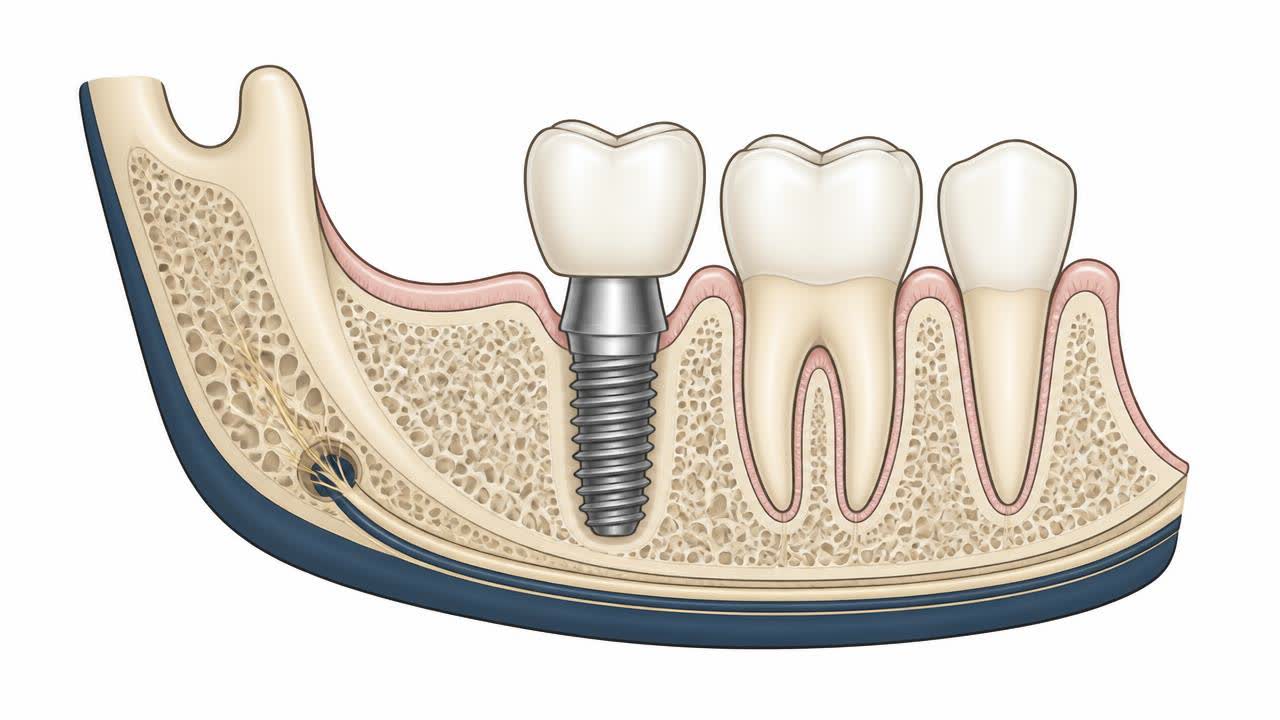
Dental implants are the only way to effectively halt this process, as they restore the necessary stimulation to the jawbone. If you have had a missing tooth for a long time, it is not too late—we have advanced techniques for bone grafting to restore the lost volume and place successful implants. We provide personalised care to help you restore your bone health, your function, and your confidence, regardless of how long the tooth has been missing.
Protecting Your Future Oral Health
Understanding the timeline of bone loss is vital for anyone who has lost a tooth. It shifts the perspective from seeing tooth replacement as a simple aesthetic concern to recognising it as a fundamental health issue. By replacing a missing tooth, you are protecting your bone, your remaining teeth, and your overall facial structure. We want to help you make these informed decisions early, saving you from more extensive work later.
Our team at Dr. Amit Sharma Super Speciality Dental Hospital provides the expertise needed to manage your case at any stage of this timeline. Whether you have just lost a tooth or have lived with a gap for years, we have the experience to provide a high-quality, successful, and long-lasting restoration. We focus on ethical, evidence-based care, ensuring that every patient in Jaipur receives the treatment they truly need for their long-term health.
Professional Guidance at Our Hospital
Are you concerned about bone loss after a recent extraction or a long-standing missing tooth? Our specialists are here to conduct a comprehensive assessment using the latest diagnostic tools. We will provide you with a clear, detailed plan, explaining how we can preserve or restore your bone and replace your tooth for the best possible functional and aesthetic outcome in your specific situation.
Call us at 9314403502 to book an appointment with our team. We are dedicated to providing clear, professional advice and the highest level of dental care to help you maintain your health for the long term. Let us help you protect your jawbone and restore your beautiful, healthy smile today with our expert, compassionate, and evidence-based restorative dental care here in Jaipur.
Questions patients ask us
- Why does bone disappear after a tooth is lost?
- The jawbone depends on the stimulation from your tooth roots to remain dense and strong. Without this stimulation, the body naturally resorbs the bone in that area. This process begins soon after extraction and continues over time, leading to a loss of both height and width in your jawbone.
- Is it too late to get an implant if the tooth has been gone for years?
- No, it is usually not too late. While you may have experienced some bone loss, we have advanced techniques, such as bone grafting, to restore the necessary bone volume. We can still place successful, durable implants for you, even if you have lived with a gap for a long time.
- How can I stop the bone loss?
- The most effective way to stop bone loss is to replace the missing tooth root with a dental implant as soon as possible. The implant provides the stimulation your bone needs to stay dense, effectively halting the resorption process and preserving your bone structure for the long term.
- Do I need a bone graft?
- It depends on the amount of bone you have remaining. After assessing your jaw using 3D imaging, we will determine if you have sufficient bone for an implant. If you have experienced significant bone loss, we will discuss the need for a graft to ensure your implant has a stable, strong foundation.
Sources and further reading
Guidance from professional and public health bodies. Clinical decisions here are made on your own examination and radiographs.
- 1.ITI Treatment Guide series and consensus statements — International Team for Implantology (ITI)
- 2.Consensus reports on implant dentistry — European Association for Osseointegration
- 3.Prosthodontic and edentulous-care patient guidance — American College of Prosthodontists
- 4.Oral health — fact sheet and global status report — World Health Organization
- 5.Policy statements and oral health definitions — FDI World Dental Federation
- 6.Dental health — conditions, treatments and patient guidance — NHS (UK)
- 7.Systematic reviews of oral and dental interventions — Cochrane Oral Health
- 8.Regulatory framework and dental education standards in India — Dental Council of India
When to see us
Get examined without waiting if any of the following applies to you:
- Pain, looseness or pus around an implant or a fixed bridge
- A crown, bridge or denture that has fractured or come away
- Gum swelling that keeps returning around the same restoration
Get a written plan and cost before you commit
If this is what you are dealing with, the next step is a consultation with radiographs — implants & missing teeth cases are seen by the specialist who handles that field. You get a written plan and staged cost before anything begins.
reception@dramitsharmahospital.comThis article is general education and does not replace an in-person examination, radiographs or a diagnosis by a qualified dentist.
Clinical terms in this article
Related in Implants & Missing Teeth
Missing Teeth: Comparing Dentures, Bridges and Implant Options
What happens if a missing tooth is left unreplaced, and how dentures, bridges and implants compare on comfort, longevity and bone health.
Dental Implants: A Complete Guide
How titanium implants replace missing teeth, who qualifies, the step-by-step timeline and how long they last.
Full Mouth Rehabilitation
Rebuilding a worn, collapsed or heavily damaged dentition with a sequenced, whole-mouth treatment plan.
Peri-Implant Mucositis Symptoms and Early Intervention
Peri-implant mucositis is a plaque-induced, reversible inflammatory lesion affecting the soft tissues surrounding a dental implant without bone loss. Prompt professional debridement, risk-factor modification, and meticulous biofilm control prevent progression to irreversible peri-implantitis.
Peri-Implantitis Symptoms Bone Loss and Implant Salvage
Peri-implantitis is an inflammatory condition causing progressive marginal bone loss around dental implants. Early detection, thorough decontamination, and advanced surgical salvage techniques can arrest bone destruction, resolve inflammation, and preserve implant stability.
Root Canal Retreatment vs Tooth Extraction and Implant
This clinical guide evaluates root canal retreatment versus tooth extraction and dental implant placement. Learn about biological tooth preservation, anatomical considerations, procedural steps, longevity, recovery expectations, and diagnostic criteria to make an informed oral healthcare decision.