At a glance
- Black triangles, also known as open gingival embrasures, are small, triangular-shaped gaps that appear between your teeth near the gum line.
- Treating black triangles is not just about aesthetics; it is also about maintaining good oral hygiene.
- For minor cases, we can often use composite bonding—a conservative procedure where we apply a tooth-coloured, durable material to the edges of your teeth to gently fill the gaps.
- Closing black triangles can have a transformative effect on the look of your smile.
- We understand that every patient has unique needs and goals.
What are Black Triangles?
Black triangles, also known as open gingival embrasures, are small, triangular-shaped gaps that appear between your teeth near the gum line. While they may seem like a minor cosmetic concern, these spaces can often trap food and bacteria, potentially impacting your oral health. Many people find them unsightly and a distraction from an otherwise beautiful, straight smile.
These gaps are often caused by receding gums, bone loss, or even after orthodontic treatment when teeth have been moved into a more desirable position. At Dr. Amit Sharma Super Speciality Dental Hospital, we offer a range of effective, professional treatments to close these gaps, restoring the seamless beauty of your smile and improving your overall oral health.
Why Should You Treat Them?
Treating black triangles is not just about aesthetics; it is also about maintaining good oral hygiene. Because these gaps can trap food particles and lead to a build-up of plaque, addressing them can make it easier to clean between your teeth and maintain healthy, resilient gums. Closing these spaces helps ensure that your smile remains healthy, clean, and beautiful for years to come.
For many, the primary motivation for treatment is aesthetic. If these small gaps make your teeth look older or less uniform, closing them can significantly refresh your appearance. By creating a more continuous, polished look, you can feel more confident and happy when you share your smile. We are here to help you achieve that seamless, radiant look you desire.
Our Treatment Options
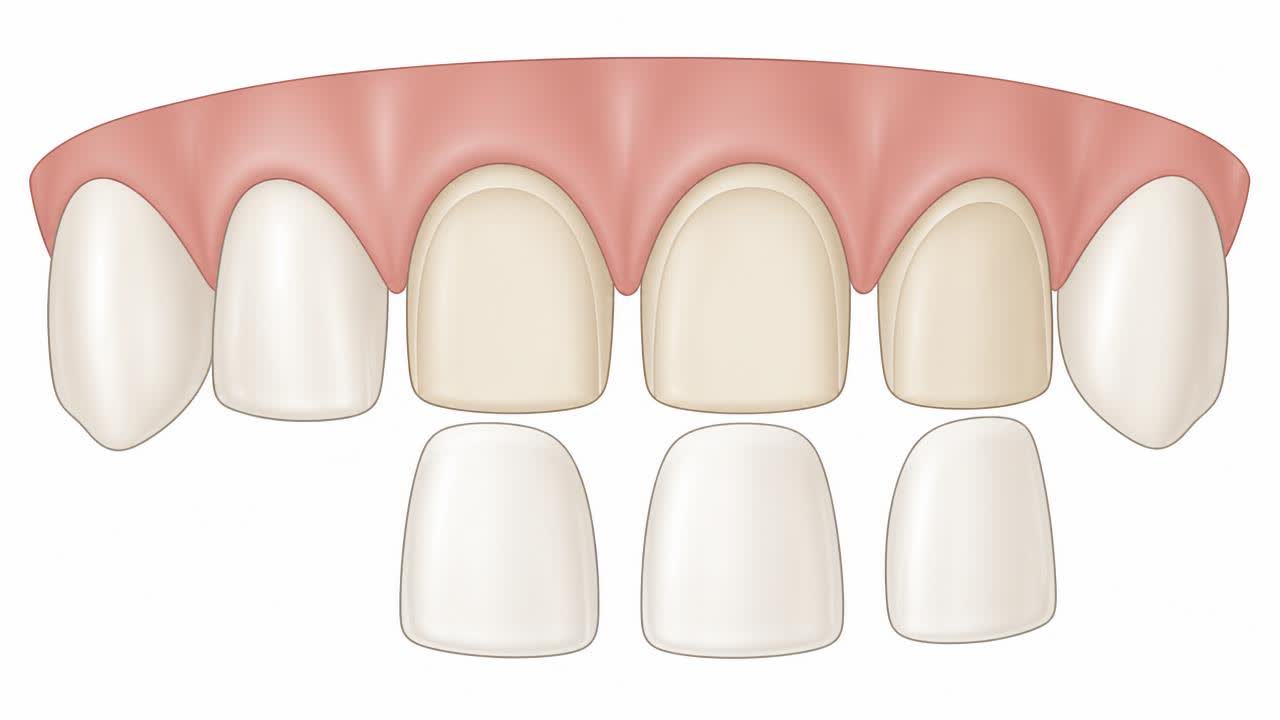
For minor cases, we can often use composite bonding—a conservative procedure where we apply a tooth-coloured, durable material to the edges of your teeth to gently fill the gaps. This is a quick, painless, and highly effective way to achieve an immediate, seamless look without any need for invasive surgery or tooth reduction.
In more complex cases, we might recommend porcelain veneers or crowns, which offer a more permanent and durable solution. These custom-made restorations are designed to fit perfectly over your teeth, masking the gaps and enhancing their overall shape, colour, and symmetry. We will evaluate your individual needs during your consultation to determine the best approach to achieve your desired aesthetic results.
The Benefits of a Seamless Smile
Closing black triangles can have a transformative effect on the look of your smile. By creating a more consistent, harmonious appearance, your teeth will look younger, healthier, and more balanced. This small correction can have a big impact, helping you feel more comfortable and confident when you speak, eat, or smile in public.
At Dr. Amit Sharma Super Speciality Dental Hospital, we pride ourselves on our attention to detail. Whether we are using bonding or veneers, we focus on matching the colour, translucency, and shape of your existing teeth, ensuring that the final result looks completely natural and beautiful. We believe that every smile deserves to be seamless, and we are committed to helping you achieve that.
Your Personalised Treatment Plan
We understand that every patient has unique needs and goals. During your consultation, we will assess the cause of your black triangles and discuss the various treatment options available to you. We take the time to listen to your concerns, explaining the benefits of each approach so you can make an informed decision that you are truly comfortable with.
If you are bothered by the small gaps between your teeth, please do not hesitate to contact us. We are here to guide you toward a more beautiful, confident smile. Let us show you how we can address these concerns with precision and care, restoring your smile to its full, seamless potential. Book your appointment today and take the first step towards a refreshed look.
Questions patients ask us
- Why do black triangles form?
- Black triangles, or open gingival embrasures, often develop due to gum recession, bone loss, or simply the shape of the teeth themselves. They can also appear after orthodontic treatment, as teeth are moved into a new position. We can assess your specific situation and determine the underlying cause.
- Is it difficult to close them?
- For most people, it is a very straightforward process. Depending on the size and location of the gaps, we can use techniques like composite bonding or porcelain veneers to fill them. These treatments are highly effective and can often produce a beautiful, seamless result in just one or two visits.
- Will treating them hurt?
- Not at all. Both composite bonding and veneers are minimally invasive procedures. Most patients find that they do not require local anaesthesia, as there is very little, if any, discomfort involved. We are committed to ensuring your experience is as smooth and comfortable as possible.
- Are the results permanent?
- Composite bonding is a durable and long-lasting solution, although it may eventually require some maintenance. Porcelain veneers are a more permanent option that offers excellent durability and resistance to staining. We will discuss the best long-term plan for you during your consultation at our clinic.
Sources and further reading
Guidance from professional and public health bodies. Clinical decisions here are made on your own examination and radiographs.
- 1.Whitening, bonding and veneers — patient information — American Dental Association
- 2.Guidance on tooth whitening and cosmetic dental treatment — British Dental Association
- 3.Oral health — fact sheet and global status report — World Health Organization
- 4.Policy statements and oral health definitions — FDI World Dental Federation
- 5.Dental health — conditions, treatments and patient guidance — NHS (UK)
- 6.Systematic reviews of oral and dental interventions — Cochrane Oral Health
- 7.Regulatory framework and dental education standards in India — Dental Council of India
When to see us
Get examined without waiting if any of the following applies to you:
- Sensitivity or pain that continues for more than a few days after cosmetic work
- A veneer, crown or bonded restoration that has chipped, debonded or feels high in the bite
- Gum inflammation or dark margins developing at the edge of a restoration
Get a written plan and cost before you commit
If this is what you are dealing with, the next step is a consultation with radiographs — cosmetic & smile design cases are seen by the specialist who handles that field. You get a written plan and staged cost before anything begins.
reception@dramitsharmahospital.comThis article is general education and does not replace an in-person examination, radiographs or a diagnosis by a qualified dentist.
Clinical terms in this article
Related in Cosmetic & Smile Design
Dental Crowns and Bridges: What They Are and When You Need One
How crowns and bridges restore damaged or missing teeth, the materials used, and what the process and aftercare involve.
Teeth Whitening and Tooth Stains: Causes and Treatment Options
Why teeth discolour over time, the difference between surface stains and deeper discolouration, and how professional whitening compares with home options.
Smile Makeover and Digital Smile Design
How veneers, bonding, whitening and gum contouring are combined into one planned cosmetic outcome.
Teeth Whitening: What Actually Works
In-office versus home whitening, realistic expectations, sensitivity management and what whitening cannot fix.
Black Triangles Between Teeth Causes and Treatment
Open gingival embrasures, commonly called black triangles between teeth and gums, occur when the interdental papilla recedes. Explore the anatomical causes, clinical classifications, restorative and orthodontic treatments, and long-term periodontal maintenance strategies.
Internal Tooth Bleaching for Discolored Nonvital Teeth
Internal tooth bleaching after root canal treatment is a conservative endodontic procedure that lightens intrinsically discoloured, non-vital teeth from within the pulp chamber, restoring natural aesthetics without requiring extensive structural removal for crowns or veneers.