At a glance
- The American Association of Orthodontists recommends that children have their first orthodontic screening by the age of seven.
- The teenage years are the most common time for orthodontic treatment, as many permanent teeth have erupted and the jaw is still experiencing growth spurts.
- Orthodontics is certainly not just for children and teenagers.
- Regardless of your age, the key to successful orthodontics is a tailored approach.
- If you are concerned about your own teeth or your child's dental development, the best approach is to schedule an expert consultation.
Early Evaluation for Children
The American Association of Orthodontists recommends that children have their first orthodontic screening by the age of seven. At this stage, the permanent teeth are beginning to emerge, allowing our orthodontists to identify potential issues such as crowding, crossbites, or jaw development concerns. Early intervention does not always mean immediate treatment, but it allows us to monitor growth and intervene at the most opportune time.
Early identification can often simplify future treatment and may even prevent the need for more invasive procedures later on. By guiding the development of the jaw and teeth, we can create a more favourable environment for permanent teeth to erupt. We prioritise a gentle, child-friendly approach at Dr. Amit Sharma Super Speciality Dental Hospital, ensuring your child feels at ease during every visit to our Jaipur clinic.
The Adolescent Phase
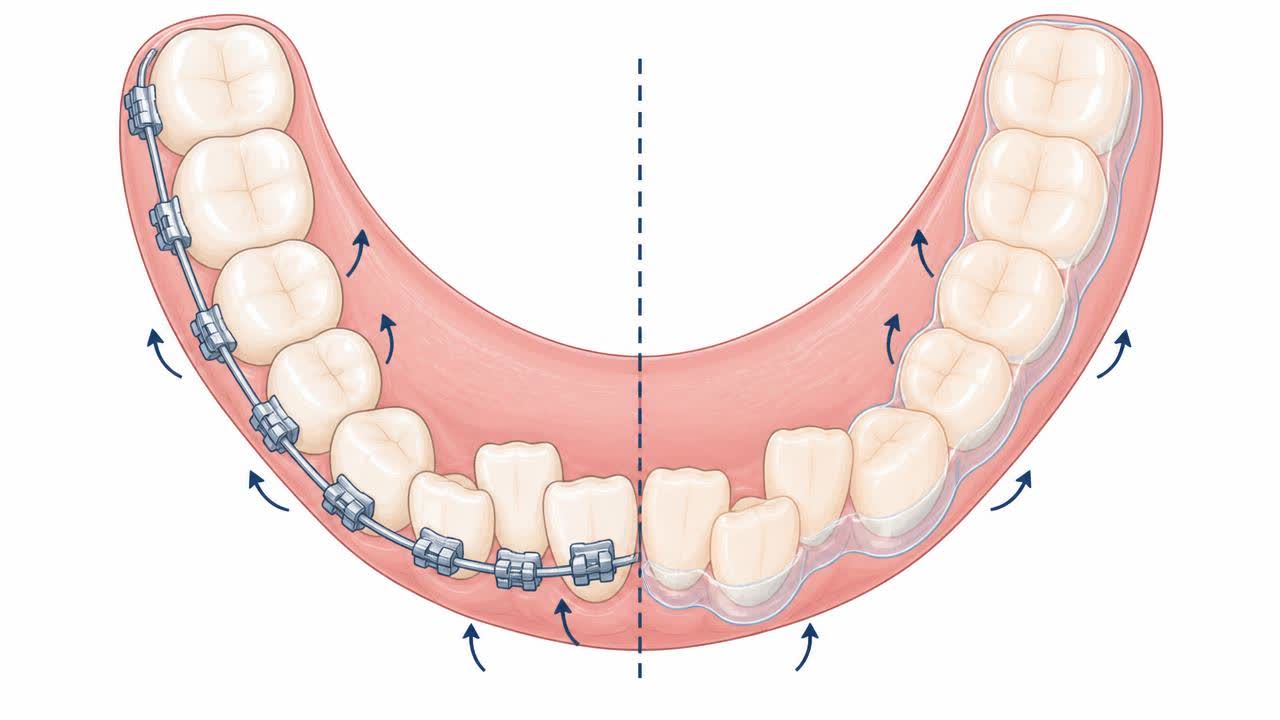
The teenage years are the most common time for orthodontic treatment, as many permanent teeth have erupted and the jaw is still experiencing growth spurts. This growth potential allows us to use appliances to influence tooth and jaw positioning more effectively. Traditional metal or ceramic braces are frequently used during this period to achieve a stable, functional bite and a straight, aesthetically pleasing smile for the long term.
This is a crucial time for social development, and we understand the importance of a confident smile. Our team works closely with teenagers to explain their treatment, motivate them to maintain excellent hygiene, and encourage compliance with their care regimen. A positive orthodontic experience during these years lays the foundation for lifelong oral health and confidence, which our dedicated team in Jaipur is proud to support.
Orthodontics for Adults
Orthodontics is certainly not just for children and teenagers. More adults than ever are seeking treatment to correct issues that were left unaddressed earlier in life or to improve dental health later. Whether it is to rectify crowding, space management, or bite issues, modern orthodontic options provide discreet, effective ways for adults to achieve the smile they have always wanted, without disrupting their professional lives.
Adult treatment often focuses on restorative health, such as creating the right spacing for future implants or improving gum health by correcting crowded teeth. Because adult bone structure is fully developed, treatment might take a different approach, but the clinical success rate is exceptionally high. At our hospital, we specialise in crafting customised treatment plans for adult patients that balance clinical efficacy with their specific lifestyle needs.
Individualised Care at Any Age
Regardless of your age, the key to successful orthodontics is a tailored approach. We assess the unique biological and structural requirements of every patient, whether they are seven, seventeen, or seventy. There is no universal age to start; the decision is based on your specific dental health status, the complexity of your case, and your personal goals for improvement. Your smile's health is always worth the investment.
At Dr. Amit Sharma Super Speciality Dental Hospital, we believe that it is never too late to enhance your smile. Our team takes the time to understand your unique concerns and goals, providing transparent, professional advice about the benefits of orthodontic treatment at your current stage of life. We are dedicated to providing compassionate, high-quality care to patients of all ages, helping everyone achieve lasting dental wellness.
Taking the First Step
If you are concerned about your own teeth or your child's dental development, the best approach is to schedule an expert consultation. Our clinicians will perform a comprehensive examination and provide a clear, evidence-based roadmap for your orthodontic journey. Addressing concerns early, or as soon as they are identified, is always the best way to ensure efficient treatment and healthy long-term results for your bite.
We invite you to reach out to our Jaipur facility to book an initial assessment. Our team is ready to answer all your questions and provide the expert guidance you need to make an informed decision. Contact us at 9314403502 today. Whether for yourself or a family member, we are here to ensure you receive the highest standard of orthodontic care, designed to last a lifetime.
Questions patients ask us
- Is seven years old too young for braces?
- Seven is not too young for an initial evaluation, but it is rarely the age for full orthodontic treatment. This early check allows us to monitor development and plan for potential future needs. Sometimes, early interceptive care can resolve issues before they become more complex, but full braces are usually later.
- Can adults still get their teeth straightened?
- Absolutely. We treat many adult patients successfully. With modern, discreet options like clear aligners and lingual braces, adults can improve their bite and smile without significantly impacting their professional or social lives. The health benefits, including better gum health and easier cleaning, are significant at any age.
- Does treatment take longer for adults?
- While adult bone is denser, which can sometimes mean treatment takes slightly longer, modern techniques have made the process highly efficient for patients of all ages. The exact timeline depends on the complexity of your individual case, which our orthodontist will outline after a thorough examination at our hospital.
- What is the best way to prepare for a first visit?
- The best preparation is to bring any relevant dental records or previous X-rays if you have them, and to have a clear idea of the specific concerns you would like to address. Our team will guide you through the rest during a comprehensive assessment at our clinic.
Sources and further reading
Guidance from professional and public health bodies. Clinical decisions here are made on your own examination and radiographs.
- 1.Orthodontic treatment and retention — patient resources — American Association of Orthodontists
- 2.Patient information leaflets on appliances and retention — British Orthodontic Society
- 3.Oral health — fact sheet and global status report — World Health Organization
- 4.Policy statements and oral health definitions — FDI World Dental Federation
- 5.Dental health — conditions, treatments and patient guidance — NHS (UK)
- 6.Systematic reviews of oral and dental interventions — Cochrane Oral Health
- 7.Regulatory framework and dental education standards in India — Dental Council of India
When to see us
Get examined without waiting if any of the following applies to you:
- A broken bracket, poking wire or appliance causing ulceration
- A tooth that becomes painful, loose or discoloured during treatment
- Jaw joint pain, locking or a bite that has changed suddenly
Get a written plan and cost before you commit
If this is what you are dealing with, the next step is a consultation with radiographs — orthodontics cases are seen by the specialist who handles that field. You get a written plan and staged cost before anything begins.
reception@dramitsharmahospital.comThis article is general education and does not replace an in-person examination, radiographs or a diagnosis by a qualified dentist.
Clinical terms in this article
Related in Orthodontics
Aligners and Braces: Choosing the Right Option
Metal, ceramic and clear aligner treatment compared, duration, visibility, cost and suitability.
Tooth Extraction for Braces or Severe Crowding Issues
Orthodontic extractions involve the planned removal of select teeth to resolve severe crowding, correct bimaxillary protrusion, and balance dentoalveolar proportions. This clinical guide details diagnostic indications, extraction patterns, procedural steps, recovery, risks, and evidence-based non-extraction alternatives.
Maxillary Osteotomy for Open Bite Alignment and Correction
Maxillary osteotomy for open bite corrects severe vertical skeletal discrepancies through surgical repositioning of the upper jaw. Combined with orthodontics, this procedure restores chewing function, improves speech articulation, and ensures long-term occlusal and facial stability.
Surgically Assisted Rapid Palatal Expansion for Adult Palate Widening
Surgically assisted rapid palatal expansion (SARPE) is a combined orthodontic and surgical treatment designed to correct severe transverse maxillary deficiency in skeletally mature adults, widening the narrow upper jaw to restore functional occlusion, stability, and airway volume.
Surgical Exposure and Bracket Bonding for Impacted Canine Teeth
This clinical guide details impacted canine exposure surgery and bracket bonding. It explains anatomical causes, CBCT diagnostic pathways, open versus closed surgical techniques, orthodontic traction mechanisms, recovery protocols, and evidence-based strategies to manage complications.
Overbite vs Overjet: Key Differences and Correction Methods
This clinical guide clarifies the distinction between overbite (vertical overlap) and overjet (horizontal protrusion). It examines their aetiology, diagnostic pathways, classification, and evidence-based orthodontic and surgical correction methods across paediatric and adult populations.