At a glance
- TMJ replacement surgery, or total joint replacement, is a highly specialised procedure used to treat severe, end-stage degeneration of the temporomandibular joint (TMJ).
- This surgery is indicated only when all other conservative or less invasive surgical options have been exhausted or are not suitable.
- Every total joint replacement is unique, and we ensure the procedure is perfectly tailored to your needs.
- Recovery from total joint replacement is a comprehensive process that requires patience and dedicated care.
- The long-term goal of TMJ replacement surgery is to restore your quality of life.
Understanding TMJ Replacement
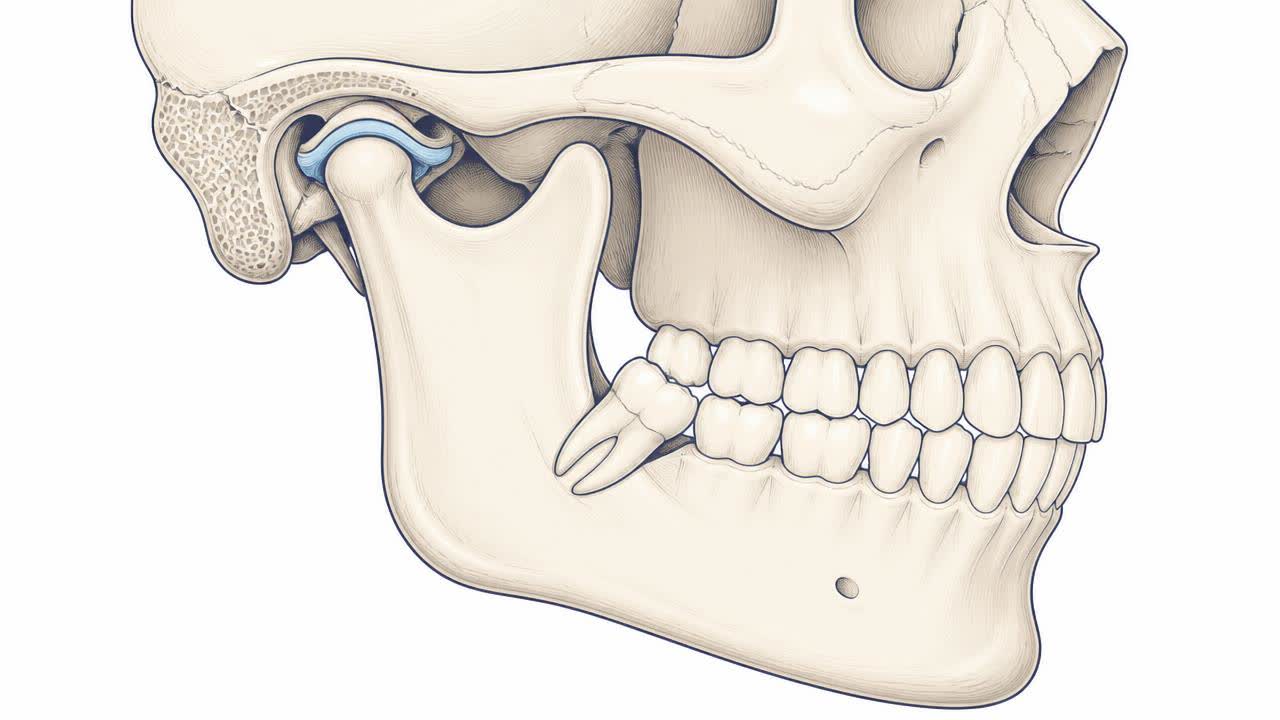
TMJ replacement surgery, or total joint replacement, is a highly specialised procedure used to treat severe, end-stage degeneration of the temporomandibular joint (TMJ). This may be due to conditions like rheumatoid arthritis, severe trauma, or previous failed joint surgeries. When the natural joint is beyond repair, replacing it with a custom-fit prosthetic provides a durable, functional, and life-changing solution for pain relief.
At Dr. Amit Sharma Super Speciality Dental Hospital in Jaipur, we have the advanced surgical expertise required for total TMJ reconstruction. Each case is planned using sophisticated 3D technology to ensure the implant perfectly matches your anatomy. Our goal is to replace the damaged joint with a system that restores full function, allowing you to eat, speak, and smile comfortably again.
When is Replacement Indicated?
This surgery is indicated only when all other conservative or less invasive surgical options have been exhausted or are not suitable. It is typically for patients whose joint has been destroyed by progressive disease, chronic infection, or multiple prior surgeries that have failed to resolve pain and dysfunction. The goal is to provide a final, successful solution when no other hope remains for functional joint recovery.
During a detailed evaluation, we assess your medical history, current symptoms, and the extent of damage to your joint. We want to be sure that total replacement is the right and most effective path for you. Our team takes the time to discuss the entire process, including the surgery, the custom implant fabrication, and the recovery journey, ensuring you are fully informed about this significant intervention.
The Customised Surgical Approach
Every total joint replacement is unique, and we ensure the procedure is perfectly tailored to your needs. We use 3D virtual surgical planning to create a custom-fit prosthetic that perfectly replaces your natural joint's components. The surgery involves carefully removing the damaged joint and securing the new, high-quality, biocompatible prosthesis in place, allowing for normal jaw movement and stability.
Performed under general anaesthesia by our highly experienced surgical team, this procedure is meticulous and precise. The implants are designed for long-term performance and durability. By using modern surgical techniques and custom-fitted technology, we can restore the natural architecture of your jaw joint, helping to bring you back to a normal life with reduced pain and improved joint function.
Long-Term Quality of Life
The long-term goal of TMJ replacement surgery is to restore your quality of life. Many patients who suffer from debilitating joint pain experience a dramatic improvement, returning to their normal activities and regaining their comfort and function. The prosthetic joints are engineered to last, providing a stable foundation for your mouth and improving your daily life for many years to come.
If you have persistent, severe TMJ issues, please contact Dr. Amit Sharma Super Speciality Dental Hospital. Our specialists are here to evaluate your condition and provide expert advice on your treatment options. Reach out to our helpline on 9314403502 to schedule your evaluation. We are committed to providing the highest level of care to help you find relief and regain your function.
Recovery and Rehabilitation
Recovery from total joint replacement is a comprehensive process that requires patience and dedicated care. You will stay in the hospital for monitoring to ensure your stability and comfort. Post-operative care involves managing swelling, pain, and starting early, gentle jaw exercises. This rehabilitation phase is crucial for success, as it allows you to regain your mouth opening and function as your new joint stabilises.
We work closely with you through your recovery. Regular follow-up appointments allow us to monitor your progress, guide your physical therapy exercises, and address any concerns. We are here to support you at every step, ensuring you achieve the best possible function with your new joint. Your ongoing comfort and successful rehabilitation are our primary focus here at our Jaipur facility.
Questions patients ask us
- Is total joint replacement the first option?
- No, total joint replacement is considered a 'last resort' and is only recommended after all other, less invasive treatments have failed to provide relief. We are committed to exhausting all other options before discussing this definitive surgical solution.
- How long do the implants last?
- Total TMJ replacement implants are made of highly durable, high-quality biocompatible materials designed for long-term performance. While they are built to last many years, we will monitor you with regular follow-ups to ensure your long-term success and joint function.
- Will I need to do jaw exercises?
- Yes, rehabilitation and physical therapy exercises are essential parts of the recovery process after joint replacement. They help you regain your jaw's mobility and ensure that your new prosthetic joint functions correctly. We will guide you through this process.
- Does this affect my bite?
- Yes, as the surgery changes the joint's structure, it may have an impact on your bite. We plan the surgery to maintain or improve your bite relationship, and you may require follow-up orthodontic treatment to fine-tune your final occlusion for optimal results.
Sources and further reading
Guidance from professional and public health bodies. Clinical decisions here are made on your own examination and radiographs.
- 1.Clinical parameters of care and patient information — American Association of Oral and Maxillofacial Surgeons
- 2.Guidance on the extraction of wisdom teeth — NICE (UK)
- 3.Oral cancer — risk factors, early detection and prevention — World Health Organization
- 4.Policy statements and oral health definitions — FDI World Dental Federation
- 5.Dental health — conditions, treatments and patient guidance — NHS (UK)
- 6.Systematic reviews of oral and dental interventions — Cochrane Oral Health
- 7.Regulatory framework and dental education standards in India — Dental Council of India
When to see us
Get examined without waiting if any of the following applies to you:
- Swelling that spreads, restricts mouth opening or affects swallowing or breathing
- Numbness, altered sensation, or bleeding that will not stop after surgery
- Jaw locking, an ulcer or lump lasting more than two weeks, or a white or red patch that does not heal
Get a written plan and cost before you commit
If this is what you are dealing with, the next step is a consultation with radiographs — surgery & jaw cases are seen by the specialist who handles that field. You get a written plan and staged cost before anything begins.
reception@dramitsharmahospital.comThis article is general education and does not replace an in-person examination, radiographs or a diagnosis by a qualified dentist.
Clinical terms in this article
Related in Surgery & Jaw
Wisdom Tooth Problems: Symptoms, Impaction and When Removal Is Needed
Why wisdom teeth cause pain and swelling, what impaction means, and how to decide between monitoring and surgical removal.
Wisdom Teeth and Impactions
When third molars need removal, what impaction means, and what recovery realistically looks like.
Jaw Surgery, TMJ Disorders and Facial Trauma
Corrective jaw surgery, temporomandibular joint pain and management of facial injuries by a maxillofacial team.
Laser Periodontal Therapy Procedure Benefits and Recovery
Laser periodontal therapy, including the LANAP protocol, uses targeted wavelength lasers to treat moderate-to-severe periodontitis. This guide covers biological mechanisms, procedural stages, recovery guidelines, evidence-based outcomes, and long-term periodontal maintenance strategies.
Connective Tissue Graft Surgery for Receding Gums
Connective tissue gum graft surgery repairs severe gingival recession by transplanting donor tissue beneath receded gums. This evidence-based guide explains surgical techniques, anatomical principles, recovery timelines, clinical classifications, risks, and postoperative maintenance for optimal root coverage.
Free Gingival Graft Procedure to Thicken Gums
A free gingival graft is a proven periodontal surgical procedure designed to augment thin or deficient attached gum tissue. This comprehensive guide covers anatomical indications, surgical steps, donor and recipient healing phases, complications, and evidence-based post-operative recovery protocols.