At a glance
- TMJ arthrocentesis is a minimally invasive surgical procedure used to treat issues within the temporomandibular joint (TMJ).
- Arthrocentesis is typically recommended for patients with TMJ disorders that cause locking, significant clicking, or persistent discomfort.
- The arthrocentesis procedure is typically performed under local anaesthesia with or without mild sedation, making it a very comfortable experience.
- Recovery after TMJ arthrocentesis is quick and straightforward.
- The goal of TMJ arthrocentesis is to improve your daily quality of life by reducing pain and improving jaw function.
What is TMJ Arthrocentesis?
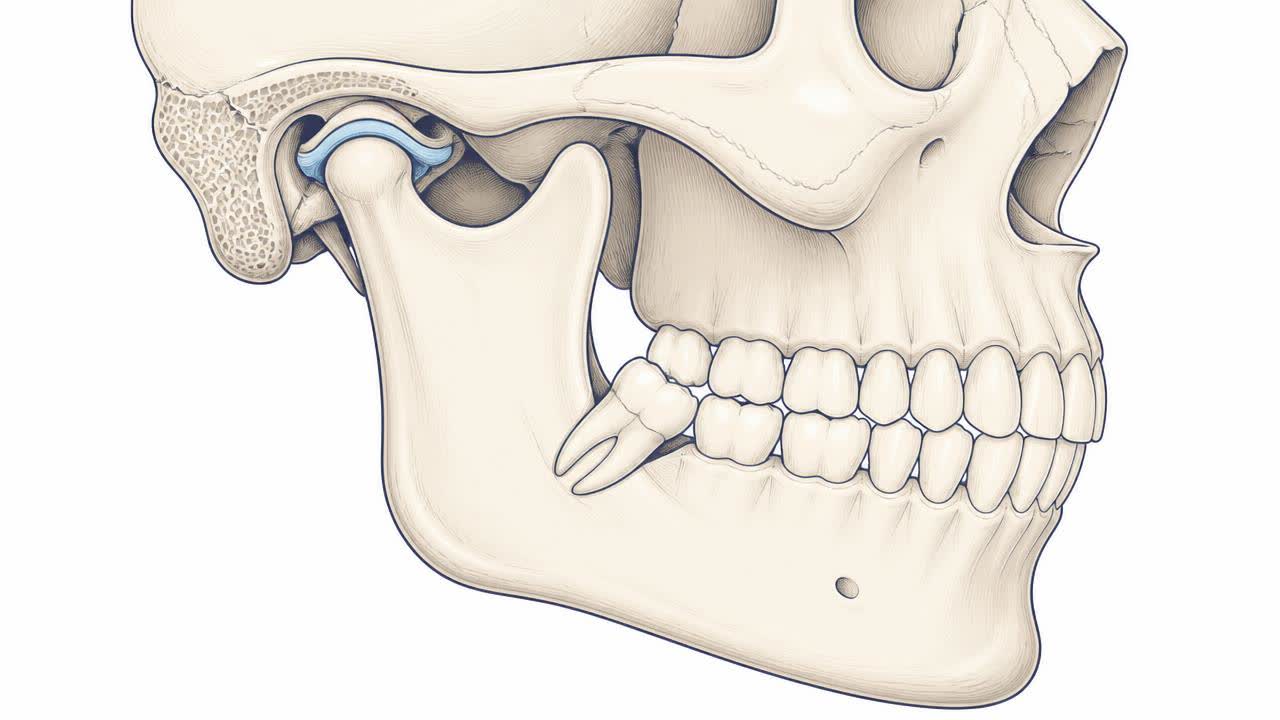
TMJ arthrocentesis is a minimally invasive surgical procedure used to treat issues within the temporomandibular joint (TMJ). Often described as a 'joint lavage', it involves inserting two small needles into the joint space to flush out inflammatory substances and break up minor tissue adhesions. This process can significantly reduce pain, swelling, and clicking, helping to improve your jaw's range of motion effectively.
At Dr. Amit Sharma Super Speciality Dental Hospital in Jaipur, we perform this procedure to offer relief to patients struggling with chronic jaw pain or restricted movement. It is a highly effective, low-risk option for those who have not found sufficient relief from conservative treatments like physiotherapy or bite guards. Our expert surgeons are dedicated to helping you restore normal joint function.
When is this Procedure Used?
Arthrocentesis is typically recommended for patients with TMJ disorders that cause locking, significant clicking, or persistent discomfort. If your jaw joint is inflamed and movement is limited, flushing out the joint can alleviate these symptoms. It is a conservative, yet powerful, alternative to more extensive surgery, offering a targeted solution for joint inflammation without needing large incisions or long recovery times.
During your consultation, we will assess your jaw function and symptoms. If arthrocentesis is suitable, we will explain the process and the expected benefits. This procedure is just one of the ways we can address your TMJ concerns, ensuring you receive the care that best fits your specific clinical needs while working towards a more comfortable and functional daily life.
The Procedure Explained
The arthrocentesis procedure is typically performed under local anaesthesia with or without mild sedation, making it a very comfortable experience. Your surgeon inserts two needles into the upper joint space. One needle allows a sterile saline solution to flow into the joint, while the other allows the fluid to drain out, effectively 'washing out' the joint area of inflammatory chemicals and cellular debris.
The entire procedure usually takes about thirty to sixty minutes. Because it is minimally invasive, you can go home shortly after the procedure is finished. Most patients report an immediate improvement in their ability to open their mouth and a reduction in joint pain. It is an efficient and effective treatment that aims to jump-start your recovery and restore your joint function.
Post-Procedure Recovery
Recovery after TMJ arthrocentesis is quick and straightforward. You might experience some mild soreness in the area for a few days, which is easily managed with simple pain medication. We recommend a soft food diet for the first few days to allow the joint to rest. It is also important to avoid strenuous jaw movements while the joint settles, allowing you to gradually return to normal function.
We will provide you with specific post-procedure exercises to help maintain your improved mouth opening and joint comfort. Regular follow-up appointments allow us to monitor your progress and ensure you are continuing to see the benefits. We are committed to your long-term success and are always here to answer your questions as you regain your jaw's comfort and mobility here in Jaipur.
Long-Term Joint Health
The goal of TMJ arthrocentesis is to improve your daily quality of life by reducing pain and improving jaw function. Many patients find significant, long-lasting relief from their symptoms. In combination with lifestyle changes and other supportive therapies, it can be a vital component of managing your TMJ health over the long term, helping you avoid more invasive treatments.
If you are suffering from jaw pain, clicking, or limited mouth opening, we encourage you to contact us at Dr. Amit Sharma Super Speciality Dental Hospital. Our team is ready to assess your condition and discuss if TMJ arthrocentesis is the right solution for you. Call our helpline at 9314403502 to schedule your evaluation and start your journey toward a pain-free, functional jaw.
Questions patients ask us
- Is the procedure painful?
- The procedure is performed under local anaesthesia to ensure you do not feel pain during the process. You may experience some mild soreness afterwards as the anaesthesia wears off, but this is typically well-managed with standard, over-the-counter pain medication.
- How many sessions are needed?
- Many patients experience significant relief after a single arthrocentesis session. However, depending on the severity of your joint issue, we may sometimes recommend a follow-up session. We will tailor the treatment plan based on your response to the initial procedure.
- Can this cure all TMJ problems?
- Arthrocentesis is highly effective for joint-related inflammation and locking. However, TMJ disorders can have multiple causes, including muscle issues or bite problems. We use a comprehensive approach, and arthrocentesis is one tool in our kit to manage your specific joint condition.
- What is the success rate?
- Arthrocentesis has a high success rate for alleviating pain and improving jaw opening in appropriately selected patients. We evaluate each case individually to ensure that you are a suitable candidate, providing the best chance for a successful, comfortable outcome.
Sources and further reading
Guidance from professional and public health bodies. Clinical decisions here are made on your own examination and radiographs.
- 1.Clinical parameters of care and patient information — American Association of Oral and Maxillofacial Surgeons
- 2.Guidance on the extraction of wisdom teeth — NICE (UK)
- 3.Oral cancer — risk factors, early detection and prevention — World Health Organization
- 4.Policy statements and oral health definitions — FDI World Dental Federation
- 5.Dental health — conditions, treatments and patient guidance — NHS (UK)
- 6.Systematic reviews of oral and dental interventions — Cochrane Oral Health
- 7.Regulatory framework and dental education standards in India — Dental Council of India
When to see us
Get examined without waiting if any of the following applies to you:
- Swelling that spreads, restricts mouth opening or affects swallowing or breathing
- Numbness, altered sensation, or bleeding that will not stop after surgery
- Jaw locking, an ulcer or lump lasting more than two weeks, or a white or red patch that does not heal
Get a written plan and cost before you commit
If this is what you are dealing with, the next step is a consultation with radiographs — surgery & jaw cases are seen by the specialist who handles that field. You get a written plan and staged cost before anything begins.
reception@dramitsharmahospital.comThis article is general education and does not replace an in-person examination, radiographs or a diagnosis by a qualified dentist.
Clinical terms in this article
Related in Surgery & Jaw
Wisdom Tooth Problems: Symptoms, Impaction and When Removal Is Needed
Why wisdom teeth cause pain and swelling, what impaction means, and how to decide between monitoring and surgical removal.
Wisdom Teeth and Impactions
When third molars need removal, what impaction means, and what recovery realistically looks like.
Jaw Surgery, TMJ Disorders and Facial Trauma
Corrective jaw surgery, temporomandibular joint pain and management of facial injuries by a maxillofacial team.
Laser Periodontal Therapy Procedure Benefits and Recovery
Laser periodontal therapy, including the LANAP protocol, uses targeted wavelength lasers to treat moderate-to-severe periodontitis. This guide covers biological mechanisms, procedural stages, recovery guidelines, evidence-based outcomes, and long-term periodontal maintenance strategies.
Connective Tissue Graft Surgery for Receding Gums
Connective tissue gum graft surgery repairs severe gingival recession by transplanting donor tissue beneath receded gums. This evidence-based guide explains surgical techniques, anatomical principles, recovery timelines, clinical classifications, risks, and postoperative maintenance for optimal root coverage.
Free Gingival Graft Procedure to Thicken Gums
A free gingival graft is a proven periodontal surgical procedure designed to augment thin or deficient attached gum tissue. This comprehensive guide covers anatomical indications, surgical steps, donor and recipient healing phases, complications, and evidence-based post-operative recovery protocols.