At a glance
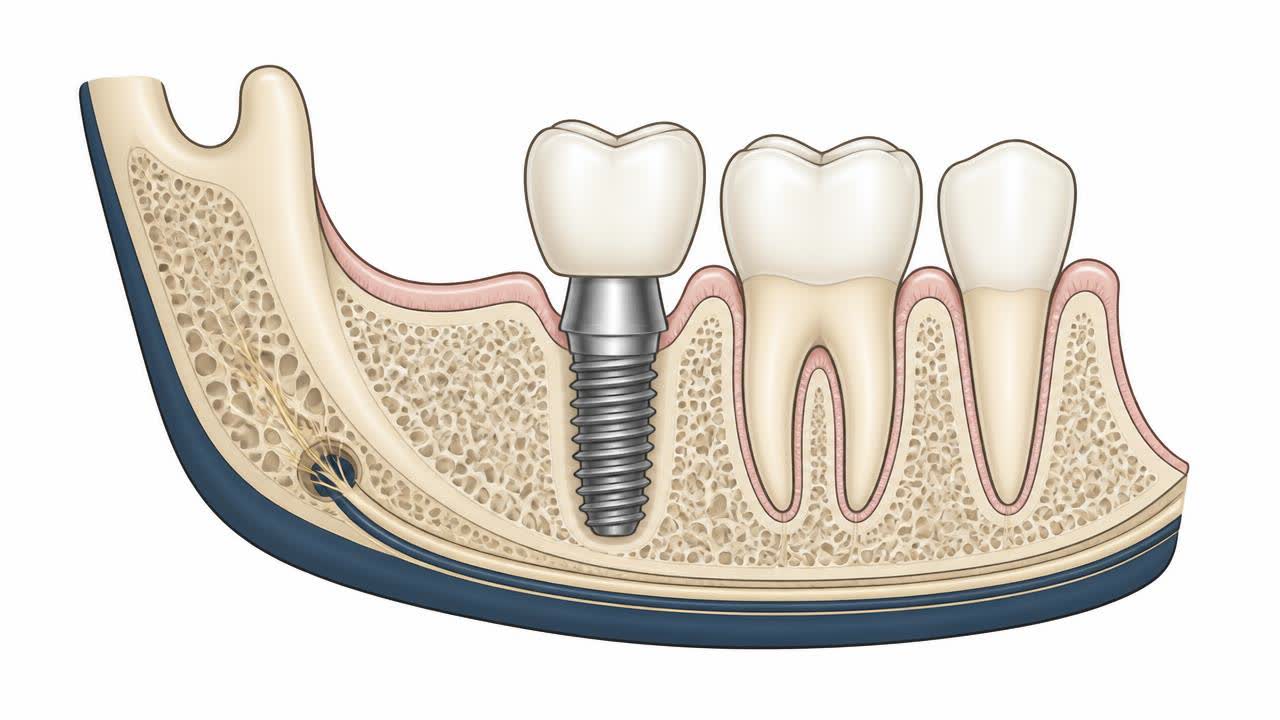
- Titanium dental implants have been the gold standard in restorative dentistry for decades due to their exceptional success rates and long-term durability.
- Zirconia, a ceramic material, has gained popularity as a metal-free alternative to traditional titanium, especially for patients with specific sensitivities or aesthetic concerns.
- Biocompatibility is a critical factor when choosing an implant material, particularly for patients with histories of metal allergies or autoimmune conditions.
- The structural integrity of an implant is paramount to its long-term function and success.
- Selecting between titanium and zirconia requires balancing your clinical requirements with your personal preferences for aesthetics and material composition.
Understanding Titanium Implants
Titanium dental implants have been the gold standard in restorative dentistry for decades due to their exceptional success rates and long-term durability. These implants integrate remarkably well with human bone, a process known as osseointegration, which provides a solid anchor for replacement teeth. Patients can rely on their structural strength for many years, provided that standard oral hygiene practices are strictly followed throughout the life of the restoration.
Beyond their strength, titanium implants offer a predictable treatment pathway that most dental surgeons are highly experienced in performing. The material is lightweight and resistant to fractures, making it suitable for a wide range of patient needs, including complex full-arch reconstructions. While modern innovations continue to emerge, the long-term clinical data supporting titanium remains robust, offering patients significant peace of mind regarding the reliability of their dental investment.
The Rise of Zirconia
Zirconia, a ceramic material, has gained popularity as a metal-free alternative to traditional titanium, especially for patients with specific sensitivities or aesthetic concerns. Because zirconia is white, it eliminates the risk of a greyish shadow showing through the gum tissue, which can sometimes occur with titanium in patients with thin biotypes. This aesthetic benefit makes it a compelling choice for anterior tooth replacements where the smile line is prominent.
In addition to aesthetics, zirconia is highly biocompatible and naturally resistant to the accumulation of bacterial plaque. This property can be advantageous for maintaining gum health in the immediate area surrounding the implant site. While zirconia has historically been considered more brittle than metal, modern manufacturing techniques have greatly improved its fracture toughness, allowing it to withstand the significant forces generated during normal daily chewing and biting.
Biocompatibility and Sensitivities
Biocompatibility is a critical factor when choosing an implant material, particularly for patients with histories of metal allergies or autoimmune conditions. Titanium is widely recognised as safe for the vast majority of the population, yet rare instances of sensitivity do exist. In such cases, zirconia serves as a viable, inert alternative that avoids any potential immune reaction, providing a comfortable solution for patients who have previously struggled with metal dental components.
Choosing the right material often involves a thorough discussion regarding your specific medical history and any known material sensitivities. Your dental specialist will evaluate your bone density, gum health, and overall systemic condition to determine which implant material will provide the most predictable outcome. By focusing on your unique health requirements, you can achieve a stable, functional, and healthy restoration that seamlessly integrates into your daily life.
Making Your Final Decision
Selecting between titanium and zirconia requires balancing your clinical requirements with your personal preferences for aesthetics and material composition. Your dental surgeon will provide a comprehensive assessment, considering factors like bone volume, gingival thickness, and the specific tooth location being restored. Each patient is unique, and a personalised treatment plan ensures that the chosen material aligns with your long-term oral health goals and lifestyle.
Ultimately, both materials are capable of delivering a functional, high-quality replacement that restores your ability to chew and smile with confidence. The most important factor remains the skill and experience of the implant surgeon, who ensures that the implant is placed precisely and that the subsequent restoration is correctly fitted. By prioritising expert care and regular maintenance, you ensure the best possible future for your dental implant.
Structural Integrity and Longevity
The structural integrity of an implant is paramount to its long-term function and success. Titanium implants have a proven track record spanning several decades, demonstrating impressive resilience against the forces of mastication. Their ability to flex slightly under pressure mimics the natural properties of the tooth root, which helps in preserving the surrounding bone structure and maintaining a healthy balance within the jaw during function.
Zirconia implants also provide excellent structural support, though they are generally designed as a single-piece component rather than the two-piece system often used with titanium. This design difference may influence the surgical approach and the final restorative options available to you. Understanding these structural variations is essential for patients, as it helps in setting realistic expectations for the placement procedure, the healing duration, and the subsequent crown or bridge restoration.
Questions patients ask us
- Are zirconia implants better than titanium?
- Neither is universally better; they serve different needs. Titanium is the established gold standard with extensive long-term success data. Zirconia is an excellent aesthetic and metal-free alternative. The right choice depends on your bone health, gum thickness, and any specific material sensitivities you may have.
- Do titanium implants cause allergies?
- Allergies to titanium are extremely rare. While some patients report sensitivities, the vast majority experience no adverse reactions. If you have a known history of severe metal allergies, your dentist may discuss zirconia as a precaution to avoid any potential immune response.
- Can zirconia implants break?
- While zirconia is a very strong ceramic, it is technically less ductile than titanium. However, modern manufacturing has made zirconia implants highly resistant to fracture. When placed correctly and protected from excessive bite forces, they provide durable, long-term support for your replacement teeth.
- Which option is more cost-effective?
- Generally, titanium implants are the standard, making them more widely available and often slightly more cost-effective. Zirconia implants may carry a higher cost due to the complexity of the material processing and manufacturing. Your specific treatment plan will determine the total investment required.
Sources and further reading
Guidance from professional and public health bodies. Clinical decisions here are made on your own examination and radiographs.
- 1.ITI Treatment Guide series and consensus statements — International Team for Implantology (ITI)
- 2.Consensus reports on implant dentistry — European Association for Osseointegration
- 3.Prosthodontic and edentulous-care patient guidance — American College of Prosthodontists
- 4.Oral health — fact sheet and global status report — World Health Organization
- 5.Policy statements and oral health definitions — FDI World Dental Federation
- 6.Dental health — conditions, treatments and patient guidance — NHS (UK)
- 7.Systematic reviews of oral and dental interventions — Cochrane Oral Health
- 8.Regulatory framework and dental education standards in India — Dental Council of India
When to see us
Get examined without waiting if any of the following applies to you:
- Pain, looseness or pus around an implant or a fixed bridge
- A crown, bridge or denture that has fractured or come away
- Gum swelling that keeps returning around the same restoration
Get a written plan and cost before you commit
If this is what you are dealing with, the next step is a consultation with radiographs — implants & missing teeth cases are seen by the specialist who handles that field. You get a written plan and staged cost before anything begins.
reception@dramitsharmahospital.comThis article is general education and does not replace an in-person examination, radiographs or a diagnosis by a qualified dentist.
Clinical terms in this article
Related in Implants & Missing Teeth
Missing Teeth: Comparing Dentures, Bridges and Implant Options
What happens if a missing tooth is left unreplaced, and how dentures, bridges and implants compare on comfort, longevity and bone health.
Dental Implants: A Complete Guide
How titanium implants replace missing teeth, who qualifies, the step-by-step timeline and how long they last.
Full Mouth Rehabilitation
Rebuilding a worn, collapsed or heavily damaged dentition with a sequenced, whole-mouth treatment plan.
Peri-Implant Mucositis Symptoms and Early Intervention
Peri-implant mucositis is a plaque-induced, reversible inflammatory lesion affecting the soft tissues surrounding a dental implant without bone loss. Prompt professional debridement, risk-factor modification, and meticulous biofilm control prevent progression to irreversible peri-implantitis.
Peri-Implantitis Symptoms Bone Loss and Implant Salvage
Peri-implantitis is an inflammatory condition causing progressive marginal bone loss around dental implants. Early detection, thorough decontamination, and advanced surgical salvage techniques can arrest bone destruction, resolve inflammation, and preserve implant stability.
Root Canal Retreatment vs Tooth Extraction and Implant
This clinical guide evaluates root canal retreatment versus tooth extraction and dental implant placement. Learn about biological tooth preservation, anatomical considerations, procedural steps, longevity, recovery expectations, and diagnostic criteria to make an informed oral healthcare decision.