At a glance
- Teething refers to the process by which an infant's primary teeth emerge through the gums, typically beginning around six months of age, though it can start as early as three months or as late as twelve.
- Typical teething symptoms include increased drooling, gum swelling and tenderness, a mild rise in irritability, a tendency to chew on fingers or objects, and disrupted sleep.
- Gently massaging the baby's gums with a clean finger can provide relief, as can offering a clean, chilled (not frozen) teething ring for the child to chew on.
- While teething itself rarely requires dental intervention, it is a good opportunity to schedule your child's first dental visit and begin a relationship with a paediatric dental provider.
Understanding the Teething Process
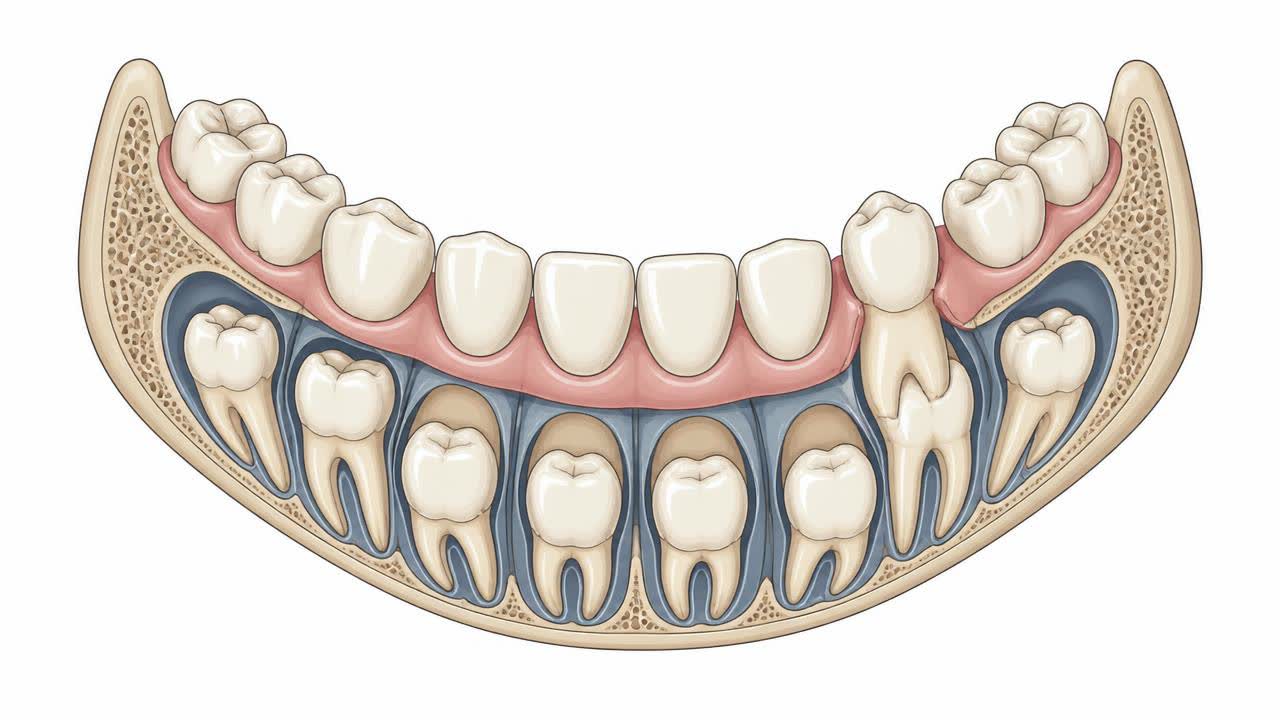
Teething refers to the process by which an infant's primary teeth emerge through the gums, typically beginning around six months of age, though it can start as early as three months or as late as twelve. The lower central incisors usually appear first, followed by the upper incisors, and by around three years of age most children have their full set of twenty milk teeth.
As a tooth pushes through gum tissue, mild inflammation occurs, which can cause temporary discomfort. While teething is a natural process, the degree of discomfort varies widely between children, and some babies show minimal symptoms while others become notably irritable.
Common Signs to Watch For
Typical teething symptoms include increased drooling, gum swelling and tenderness, a mild rise in irritability, a tendency to chew on fingers or objects, and disrupted sleep. Some infants also experience a slight decrease in appetite for solid foods due to gum sensitivity.
It is important to note that teething does not typically cause high fever, diarrhoea, or severe illness. If your child develops a fever above 38 degrees Celsius, persistent vomiting, or appears significantly unwell, these symptoms should be evaluated by a paediatrician rather than attributed to teething alone.
Safe Ways to Soothe Teething Discomfort
Gently massaging the baby's gums with a clean finger can provide relief, as can offering a clean, chilled (not frozen) teething ring for the child to chew on. The pressure and cold sensation help reduce inflammation and distract from discomfort.
Avoid teething gels containing benzocaine or homeopathic remedies with belladonna, as these have been flagged for safety concerns in infants by health authorities internationally. If discomfort is significant, consult your paediatrician about an appropriate dose of paracetamol suitable for your child's age and weight.
When to Involve Your Dentist
While teething itself rarely requires dental intervention, it is a good opportunity to schedule your child's first dental visit and begin a relationship with a paediatric dental provider. If you notice unusual delays in tooth eruption, discoloured teeth appearing, or signs of infection such as swelling or pus, a dental evaluation is warranted.
Questions patients ask us
- Does teething cause fever in babies?
- Teething may cause a very mild rise in temperature, but it does not cause a true fever above 38 degrees Celsius. If your baby has a genuine fever, diarrhoea, or seems unwell, consult your paediatrician, as these symptoms usually indicate an unrelated illness rather than teething.
- Are amber teething necklaces safe and effective?
- Amber teething necklaces are not recommended by dental or medical professionals. They pose choking and strangulation hazards and have no scientifically proven benefit for teething pain. Safer alternatives such as chilled teething rings and gentle gum massage are preferred.
- In what order do baby teeth usually appear?
- Typically, the lower central incisors erupt first around six to ten months, followed by the upper central incisors, then lateral incisors, first molars, canines, and finally second molars, with most children having a complete set of twenty primary teeth by around age three.
- Can teething affect my baby's sleep and feeding?
- Yes, mild disruptions to sleep and appetite are common during teething due to gum discomfort. This is usually temporary and resolves once the tooth has fully erupted. Offering soft, cool foods and maintaining a consistent bedtime routine can help during this period.
Sources and further reading
Guidance from professional and public health bodies. Clinical decisions here are made on your own examination and radiographs.
- 1.Best practice policies and clinical recommendations — American Academy of Pediatric Dentistry
- 2.Delivering better oral health — an evidence-based toolkit — Public Health England / OHID
- 3.Oral health — fact sheet and global status report — World Health Organization
- 4.Policy statements and oral health definitions — FDI World Dental Federation
- 5.Dental health — conditions, treatments and patient guidance — NHS (UK)
- 6.Systematic reviews of oral and dental interventions — Cochrane Oral Health
- 7.Regulatory framework and dental education standards in India — Dental Council of India
When to see us
Get examined without waiting if any of the following applies to you:
- Facial swelling, fever or refusal to eat or drink in a child — seek same-day care
- Dental injury to a child's tooth, especially if it is displaced or knocked out
- A dark or discoloured tooth, or a lump on the gum above a tooth
Get a written plan and cost before you commit
If this is what you are dealing with, the next step is a consultation with radiographs — children's dentistry cases are seen by the specialist who handles that field. You get a written plan and staged cost before anything begins.
reception@dramitsharmahospital.comThis article is general education and does not replace an in-person examination, radiographs or a diagnosis by a qualified dentist.
Clinical terms in this article
Related in Children's Dentistry
Children's Dental Care by Age
First visit timing, fluoride and sealants, why milk teeth matter, and managing dental anxiety in children.
Pulpotomy vs Pulpectomy in Baby Teeth Explained
This clinical guide clarifies the differences between a pulpotomy and a pulpectomy in primary teeth. Learn about deciduous pulp anatomy, diagnostic criteria, clinical steps, restorative crowns, post-operative care, and when emergency dental attention is necessary.
Regenerative Endodontics for Immature Teeth with Pulp Necrosis
A regenerative endodontic procedure restores vascularity and tissue vitality to immature permanent teeth affected by pulp necrosis. This evidence-based guide details diagnostic protocols, biologically based revascularisation steps, treatment comparisons, recovery expectations, and long-term tooth preservation strategies.
Apexification Procedure for Immature Permanent Teeth in Children
An apexification procedure is a specialised dental intervention designed to treat non-vital, immature permanent teeth in children. It creates a calcified apical barrier, enabling effective root canal obturation while preserving the natural tooth within the developing jaw.
Apexogenesis Procedure to Preserve Pulp Vitality in Children
Apexogenesis is a vital pulp therapy that preserves living pulp tissue in immature permanent teeth of children. By maintaining vascularity, it enables continued root lengthening, dentinal wall thickening, and natural apical closure following traumatic injury or deep decay.
Palatal Expanders for Children: How Rapid Palatal Expansion Works
A clinical guide to rapid palatal expansion in children. Learn how a palate expander for kids corrects transverse maxillary constriction, posterior crossbites, and severe crowding before midpalatal suture fusion during natural skeletal development.