At a glance
- The eruption of permanent teeth usually begins around age six and continues until the early teenage years.
- Parents can easily track their child's progress by observing the changes in their mouth.
- The first permanent molars are critical, as they act as 'anchor' teeth, helping to maintain the alignment and spacing for the rest of the adult teeth.
- It is normal for some children to experience mild tenderness or gum swelling as a new permanent tooth pushes through the gingiva.
- Maintaining regular dental check-ups is the best way to ensure your child’s permanent teeth are erupting correctly.
The Typical Eruption Sequence
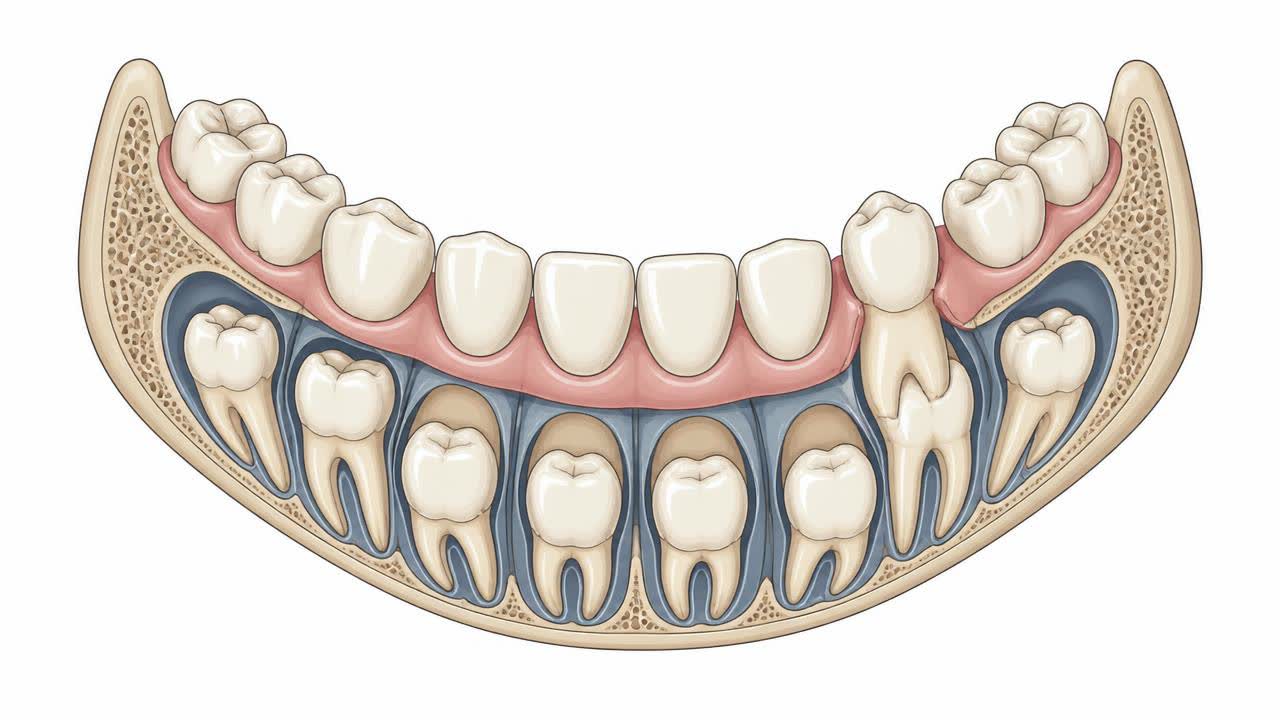
The eruption of permanent teeth usually begins around age six and continues until the early teenage years. The first permanent teeth to appear are typically the first molars, which erupt behind the last baby molars without losing a baby tooth first. Following this, the front teeth (incisors) usually begin to replace the baby incisors in a sequence that generally mirrors how they were lost.
While there is a standard order, it is important to remember that every child is unique. Slight variations in timing are completely normal and often depend on genetics and individual growth rates. Monitoring this progression is an essential part of your child’s dental health, ensuring that the teeth are emerging in a way that supports a healthy bite and overall dental function as they grow.
Monitoring Growth at Home
Parents can easily track their child's progress by observing the changes in their mouth. As the primary teeth become loose, you will gradually see the new permanent teeth emerging. Keeping a simple record of which teeth have fallen out and which new ones have appeared can be helpful during your dental appointments, providing us with a clearer history of your child's specific development patterns.
If you notice that teeth are emerging in an order that seems unusual, or if there is significant crowding, don't worry immediately. It is common for teeth to appear slightly tilted or uneven at first. However, if you have any persistent concerns, our team at Dr. Amit Sharma Super Speciality Dental Hospital is always here to offer professional guidance and assess whether any intervention is needed.
The Importance of First Permanent Molars
The first permanent molars are critical, as they act as 'anchor' teeth, helping to maintain the alignment and spacing for the rest of the adult teeth. Since they appear behind the baby teeth, they are often overlooked by parents who might assume they are just another set of baby teeth. Protecting these molars from decay is a priority, as they must last for your child's entire lifetime.
We strongly recommend professional preventative care for these molars, such as the application of pit and fissure sealants. These thin, protective coatings block food and bacteria from settling into the deep grooves of the molars, significantly reducing the risk of cavities. Our team provides comprehensive advice on how to care for these vital teeth during their critical first few years in the mouth.
Common Concerns During Eruption
It is normal for some children to experience mild tenderness or gum swelling as a new permanent tooth pushes through the gingiva. This is usually transient and can be managed with gentle cleaning and a balanced diet. If your child seems to be in significant distress or if the gum area looks very angry, red, or infected, it is best to consult with us for professional advice.
Another common observation is the appearance of 'gaps' between the front teeth. This is often a natural part of the growth process, frequently referred to as the 'ugly duckling stage', as the jaws continue to grow to make room for larger teeth. These gaps usually close as the canine teeth erupt later, so there is typically no need for concern about this common developmental phase.
Professional Guidance for Parents
Maintaining regular dental check-ups is the best way to ensure your child’s permanent teeth are erupting correctly. We assess the alignment, spacing, and health of each new tooth as it arrives, providing peace of mind and proactive care. If we identify any issues, we discuss them openly with you, ensuring you are well-informed about the best steps for your child’s long-term dental health.
If you ever feel unsure about your child's dental development, please reach out to Dr. Amit Sharma Super Speciality Dental Hospital. Our team is dedicated to providing high-quality, compassionate care to children in Jaipur. Call our helpline at 9314403502 to book a check-up, where we can monitor your child’s growth and provide the guidance they need for a lifetime of healthy smiles.
Questions patients ask us
- What is the typical age for permanent teeth to start appearing?
- Permanent teeth usually begin to erupt around the age of six, starting with the first molars or the lower front incisors. This process continues throughout childhood and the early teenage years, with the final teeth (excluding wisdom teeth) typically appearing by the age of twelve or thirteen.
- Is it normal for permanent teeth to look crowded when they first appear?
- Yes, it is quite common. The jaw may still be growing, and the permanent teeth are significantly larger than the baby teeth they replace. As the jaw continues to develop, these teeth often shift into a better alignment. If you are concerned, a professional check-up can confirm everything is progressing correctly.
- What are the first permanent molars?
- These are the first adult teeth to appear, usually around age six, located right behind the last baby molars. Because they don't replace any baby teeth, they are often missed by parents. They are vital for your child’s bite, so keeping them cavity-free with good brushing and sealants is very important.
- Why are there gaps between my child's front teeth?
- This is often referred to as the 'ugly duckling' phase and is a completely normal part of development. As the larger adult teeth erupt and the jaw grows, these temporary gaps are common. They generally close naturally once the canine teeth erupt, so usually, there is no cause for concern.
Sources and further reading
Guidance from professional and public health bodies. Clinical decisions here are made on your own examination and radiographs.
- 1.Best practice policies and clinical recommendations — American Academy of Pediatric Dentistry
- 2.Delivering better oral health — an evidence-based toolkit — Public Health England / OHID
- 3.Oral health — fact sheet and global status report — World Health Organization
- 4.Policy statements and oral health definitions — FDI World Dental Federation
- 5.Dental health — conditions, treatments and patient guidance — NHS (UK)
- 6.Systematic reviews of oral and dental interventions — Cochrane Oral Health
- 7.Regulatory framework and dental education standards in India — Dental Council of India
When to see us
Get examined without waiting if any of the following applies to you:
- Facial swelling, fever or refusal to eat or drink in a child — seek same-day care
- Dental injury to a child's tooth, especially if it is displaced or knocked out
- A dark or discoloured tooth, or a lump on the gum above a tooth
Get a written plan and cost before you commit
If this is what you are dealing with, the next step is a consultation with radiographs — children's dentistry cases are seen by the specialist who handles that field. You get a written plan and staged cost before anything begins.
reception@dramitsharmahospital.comThis article is general education and does not replace an in-person examination, radiographs or a diagnosis by a qualified dentist.
Clinical terms in this article
Related in Children's Dentistry
Children's Dental Care by Age
First visit timing, fluoride and sealants, why milk teeth matter, and managing dental anxiety in children.
Pulpotomy vs Pulpectomy in Baby Teeth Explained
This clinical guide clarifies the differences between a pulpotomy and a pulpectomy in primary teeth. Learn about deciduous pulp anatomy, diagnostic criteria, clinical steps, restorative crowns, post-operative care, and when emergency dental attention is necessary.
Regenerative Endodontics for Immature Teeth with Pulp Necrosis
A regenerative endodontic procedure restores vascularity and tissue vitality to immature permanent teeth affected by pulp necrosis. This evidence-based guide details diagnostic protocols, biologically based revascularisation steps, treatment comparisons, recovery expectations, and long-term tooth preservation strategies.
Apexification Procedure for Immature Permanent Teeth in Children
An apexification procedure is a specialised dental intervention designed to treat non-vital, immature permanent teeth in children. It creates a calcified apical barrier, enabling effective root canal obturation while preserving the natural tooth within the developing jaw.
Apexogenesis Procedure to Preserve Pulp Vitality in Children
Apexogenesis is a vital pulp therapy that preserves living pulp tissue in immature permanent teeth of children. By maintaining vascularity, it enables continued root lengthening, dentinal wall thickening, and natural apical closure following traumatic injury or deep decay.
Palatal Expanders for Children: How Rapid Palatal Expansion Works
A clinical guide to rapid palatal expansion in children. Learn how a palate expander for kids corrects transverse maxillary constriction, posterior crossbites, and severe crowding before midpalatal suture fusion during natural skeletal development.