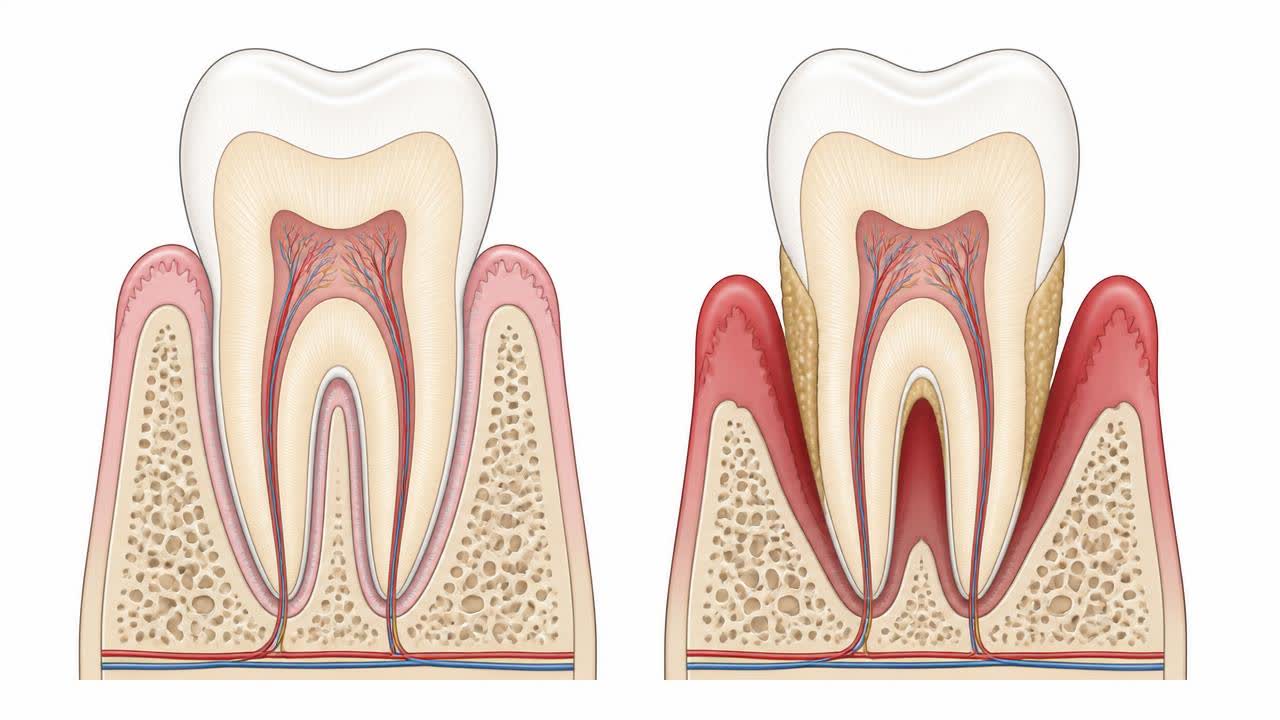
At a glance
- Dental erosion is the loss of your tooth's outer layer of enamel, caused not by bacteria, but by the direct action of acids on your teeth.
- Many sugary items are also highly acidic, meaning they pose a double threat.
- Wait at least thirty minutes before brushing your teeth after consuming anything acidic.
- If you notice your teeth becoming more sensitive, thinning at the edges, or looking slightly translucent, these may be signs of erosion.
- Empowering yourself with the knowledge of how sugar and acid affect your enamel is the first step towards a healthier, stronger mouth.
The Threat of Erosion
Dental erosion is the loss of your tooth's outer layer of enamel, caused not by bacteria, but by the direct action of acids on your teeth. Unlike tooth decay, which is caused by bacterial acid production from sugars, erosion is a chemical process. Once enamel is lost, it does not grow back, making prevention absolutely critical for maintaining the health and longevity of your natural teeth for the rest of your life.
Common sources of acidic exposure include soft drinks, fruit juices, energy drinks, and even citrus fruits. When you consume these items, the acid softens the enamel, and the physical force of your tongue, cheeks, and any brushing further wears the weakened surface away. Over time, this leads to thinning of your teeth, increased sensitivity, and changes in their shape and appearance that can require significant restorative work.
Sugar’s Double Impact
Many sugary items are also highly acidic, meaning they pose a double threat. They fuel the bacteria that produce acid (causing decay), and they are acidic themselves (causing erosion). This combination is particularly damaging to your enamel. By reducing your intake of high-sugar, high-acid items like sodas and sports drinks, you are not only helping to prevent cavities but also actively protecting the thickness and strength of your enamel.
It is not just what you eat, but how you eat it. Sipping on acidic drinks slowly over a long period keeps your enamel constantly bathed in acid, allowing erosion to progress much faster. If you enjoy an acidic drink, finish it quickly rather than nursing it for hours, and follow it with a rinse of plain water. This simple habit helps to neutralise the environment and protects your teeth significantly.
Preventive Measures
Wait at least thirty minutes before brushing your teeth after consuming anything acidic. Because acid softens the enamel, brushing immediately can actually cause more harm than good by physically scrubbing away the softened layer. Rinse your mouth with plain water instead, which helps to wash away the acid and restore your mouth's natural, healthy balance until you can safely brush your teeth later.
Using a straw when consuming acidic drinks can also reduce contact with your teeth, acting as a simple, effective shield against erosion. Always try to drink water as your primary beverage throughout the day; it’s the healthiest choice for your body and the safest for your teeth. Being mindful of these small changes in your daily routine can make a massive difference in protecting your smile for the long term.
Professional Evaluation
If you notice your teeth becoming more sensitive, thinning at the edges, or looking slightly translucent, these may be signs of erosion. During your routine check-ups at Dr. Amit Sharma Super Speciality Dental Hospital, we can monitor your enamel for any signs of wear and provide personalised advice to help you stop it from progressing. Early detection is vital for preserving your teeth and avoiding more extensive treatment later on.
If you are concerned about your own oral health, please contact us. We are here to help you understand what is happening and offer the right guidance to help you protect your teeth. We can discuss your dietary habits, suggest tooth-friendly alternatives, and help you develop a strategy to ensure your enamel stays as strong and intact as possible for the rest of your life. Your health is our priority.
Taking Control
Empowering yourself with the knowledge of how sugar and acid affect your enamel is the first step towards a healthier, stronger mouth. You are the one who makes the daily choices that impact your teeth, and small, consistent adjustments in your habits can lead to lasting results. It’s a simple, proactive way to ensure your smile stays beautiful and functional for many, many years to come.
If you have any questions or are ready to schedule your next appointment, please get in touch today. We are here to support your success in every aspect of your dental health. Let’s work together to protect your teeth from the effects of erosion, keeping your smile resilient, confident, and healthy every day. Your long-term success starts with the choices you make today. Let’s keep your smile in great shape.
Questions patients ask us
- What is the difference between decay and erosion?
- Decay is caused by bacterial acids created when bacteria break down sugar, leading to cavities. Erosion is the chemical loss of enamel caused by direct exposure to acidic foods and drinks, like soda and fruit juice. Both lead to irreversible loss of tooth structure and require different prevention strategies.
- Can my enamel grow back?
- No, unfortunately, once tooth enamel is lost through erosion or decay, it does not grow back. This is why prevention is so important. You can help harden and strengthen your remaining enamel with fluoride, but you cannot regrow the outer surface that has already been worn away.
- How soon should I brush after an acidic drink?
- Wait at least thirty minutes after consuming acidic foods or drinks before brushing. Acid softens your enamel, and immediate brushing can cause permanent wear. Rinse your mouth with plain water after consuming acidic items to neutralise the acid, and wait a while before your regular brushing routine.
- Are energy drinks bad for my teeth?
- Yes, most energy drinks are both very sugary and highly acidic, which is a devastating combination for your tooth enamel. They can cause both tooth decay and rapid dental erosion. For the sake of your long-term oral health, it is best to avoid them or use them very sparingly.
Sources and further reading
Guidance from professional and public health bodies. Clinical decisions here are made on your own examination and radiographs.
- 1.EFP clinical practice guidelines for periodontitis — European Federation of Periodontology
- 2.Classification of periodontal and peri-implant diseases — American Academy of Periodontology
- 3.Prevention and treatment of periodontal diseases in practice — Scottish Dental Clinical Effectiveness Programme
- 4.Oral health — fact sheet and global status report — World Health Organization
- 5.Policy statements and oral health definitions — FDI World Dental Federation
- 6.Dental health — conditions, treatments and patient guidance — NHS (UK)
- 7.Systematic reviews of oral and dental interventions — Cochrane Oral Health
- 8.Regulatory framework and dental education standards in India — Dental Council of India
When to see us
Get examined without waiting if any of the following applies to you:
- Gums that bleed without provocation, or bleeding that has become heavier
- Teeth that feel loose, are drifting, or gaps that are opening up
- Persistent bad breath or taste, gum abscesses, or pus on pressing the gum
Get a written plan and cost before you commit
If this is what you are dealing with, the next step is a consultation with radiographs — gums & prevention cases are seen by the specialist who handles that field. You get a written plan and staged cost before anything begins.
reception@dramitsharmahospital.comThis article is general education and does not replace an in-person examination, radiographs or a diagnosis by a qualified dentist.
Clinical terms in this article
Related in Gums & Prevention
Bleeding Gums and Gum Disease: A Complete Guide
What bleeding gums usually mean, how gingivitis progresses into periodontal disease, and the treatment path from scaling to gum surgery.
Gum Disease: Detection and Treatment
From reversible gingivitis to periodontitis, the warning signs, staged treatment and the link to overall health.
Preventive Dentistry and Home Care
The routine that prevents most dental disease: brushing technique, interdental cleaning, diet and recall visits.
Chronic Bad Breath Caused by Gum Infection
Chronic bad breath, or halitosis, is frequently driven by underlying gum disease. Subgingival bacteria produce volatile sulphur compounds within periodontal pockets. Effective resolution requires professional periodontal debridement, targeted biofilm disruption, and meticulous daily interdental hygiene rather than cosmetic masking.
Loose Permanent Teeth from Advanced Periodontal Disease
Loose teeth from advanced gum disease occur when severe chronic inflammation destroys the supporting alveolar bone and periodontal ligament. With timely periodontal therapy, splinting, and meticulous plaque control, many loose teeth can be stabilised and preserved without extraction.
Furcation Involvement and Bone Loss Between Roots
Furcation involvement describes bone loss between the roots of multi-rooted molars caused by advanced periodontal disease. This clinical guide explains its causes, diagnostic staging, surgical and non-surgical therapies, daily maintenance, and red flag symptoms requiring urgent care.