At a glance
- The roots of the upper back teeth sit very close to the maxillary sinus floor, which is a thin bony plate.
- When a perforation is identified, the dentist assesses its size to determine the best course of action.
- Strict adherence to post-operative precautions is essential for healing a sinus perforation.
- While most perforations heal perfectly, it is important to know the signs of a potential problem.
- Sinus perforation is a manageable complication when addressed with the right expertise.
Understanding Sinus Perforation
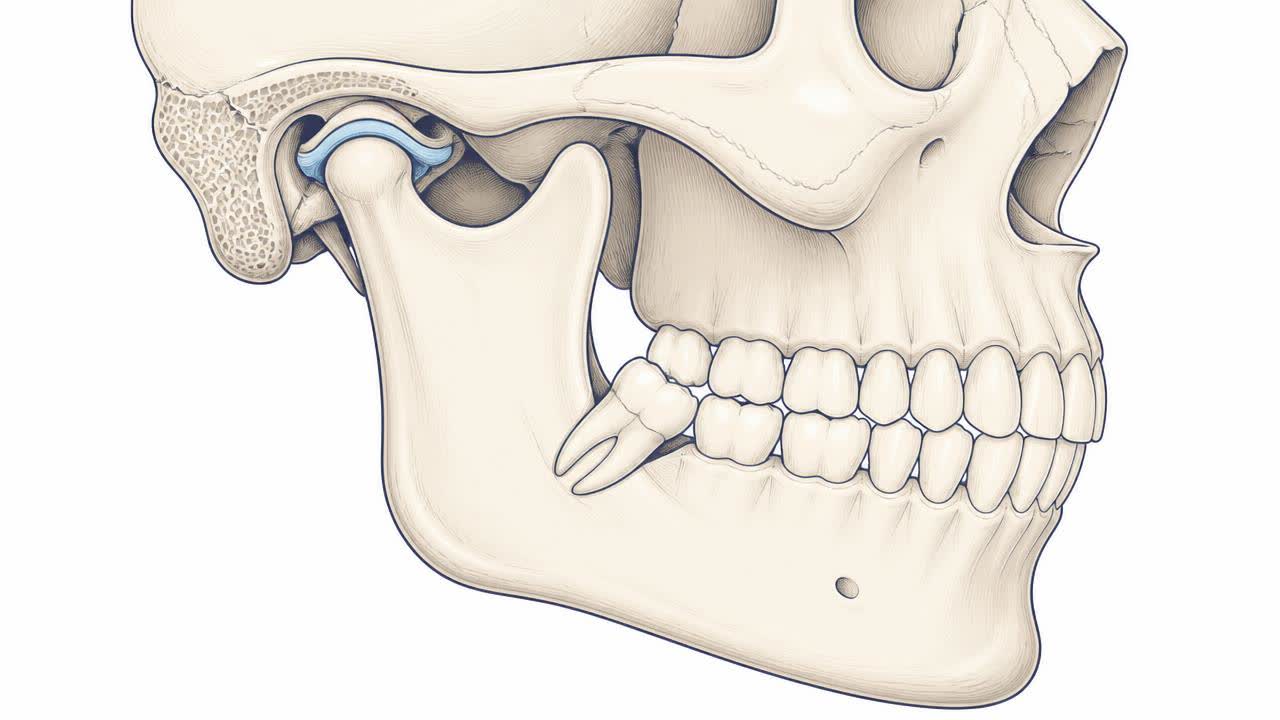
The roots of the upper back teeth sit very close to the maxillary sinus floor, which is a thin bony plate. Occasionally, when a tooth is extracted, a small opening, or perforation, is created between the tooth socket and the sinus. While this can happen even with the most careful surgical techniques, it requires prompt identification and appropriate, professional management to ensure that the area heals correctly and prevents any long-term complications.
Most patients will not even know a perforation has occurred until their dentist mentions it. The key to a successful outcome is identifying the opening immediately during the extraction procedure. Once identified, the dentist can take steps to encourage natural closure or perform a surgical repair, ensuring the sinus remains sealed and preventing issues like chronic infection or long-term communication between the mouth and the sinus cavity.
Management and Treatment
When a perforation is identified, the dentist assesses its size to determine the best course of action. Small openings often heal well on their own with proper care and strict adherence to post-operative instructions. This includes avoiding activities that create pressure in the sinus, such as blowing your nose or sneezing with your mouth closed. We guide patients through these crucial precautions to support the natural healing process.
For larger perforations, a surgical closure is necessary to bridge the gap and ensure a complete seal. This typically involves using a small flap of adjacent gum tissue to cover the opening securely. Our skilled surgeons perform this procedure with great care, ensuring that the sinus is protected and the oral tissues heal effectively. With appropriate, timely management, these perforations heal very successfully, allowing the patient to return to normal health without further complications.
What to Look Out For
While most perforations heal perfectly, it is important to know the signs of a potential problem. If you notice any fluid or air escaping from your nose through the extraction site, or if you experience persistent pain, congestion, or foul tastes in the mouth, please contact us immediately. These can be indicators that the perforation has not closed correctly and requires further, professional attention to ensure it is resolved.
We are dedicated to your comfort and health and are always here to answer your questions during the healing process. By being informed and proactive, you can help ensure a successful outcome. Our priority is to manage your recovery carefully, providing expert care and regular check-ups to confirm that your sinus and jaw are healing well, allowing you to return to your normal life comfortably and with full confidence.
Professional Expertise
Sinus perforation is a manageable complication when addressed with the right expertise. At Dr. Amit Sharma Super Speciality Dental Hospital, our surgical team is experienced in diagnosing and repairing these openings, using precise techniques to ensure the health of your sinus and oral tissues. We take pride in our careful approach, which prioritises patient safety and the successful restoration of your long-term health.
If you have recently had an extraction and are concerned about your recovery, or if you need an expert opinion, please reach out to us at 9314403502. We provide comprehensive, compassionate care and are committed to ensuring that every surgical procedure is followed by successful, healthy healing. You can trust our team to manage your recovery with the highest standard of clinical expertise and dedicated, patient-centred support.
Post-Operative Precautions
Strict adherence to post-operative precautions is essential for healing a sinus perforation. We advise patients to avoid smoking, as it interferes with healing, and to use caution when sneezing by keeping the mouth open to allow pressure to escape. These simple habits are vital to prevent dislodging the blood clot that is necessary for the socket to heal and for the perforation to close properly.
We also prescribe necessary medications, such as decongestants or antibiotics, to prevent sinus congestion and infection while the site is healing. Following these instructions carefully significantly improves the chances of a smooth, successful recovery. We monitor the patient's progress closely, ensuring that the healing is occurring as expected and that there are no signs of persistent communication, providing support and reassurance throughout the entire process.
Questions patients ask us
- Is it common to get a sinus perforation?
- Because the roots of the upper molars are in such close proximity to the sinus floor, sinus perforation is a known and manageable risk of tooth extraction. Dentists are well-trained to recognise this occurrence and have established procedures to repair it successfully, ensuring that your sinus remains healthy and your recovery is smooth.
- What should I avoid while healing?
- To ensure proper healing, you must avoid creating pressure in the sinus. This means you should not blow your nose, use straws, play wind instruments, or smoke for several days. If you need to sneeze, do so with your mouth open. Following these precautions is vital for allowing the tissue to seal.
- How will I know if it is healing well?
- Your dentist will monitor the area closely during your follow-up appointments. A well-healing site should become less painful over time with no signs of fluid leakage, persistent sinus pressure, or foul tastes. If you experience any persistent or worsening symptoms, contact your dental team for an evaluation right away.
- Does this require further surgery later?
- In most cases, the perforation closes and heals on its own or with a single, immediate repair. Further surgery is rarely needed, especially if you follow your post-operative instructions carefully. Your dentist will ensure the opening is successfully managed and will check your healing progress to give you peace of mind.
Sources and further reading
Guidance from professional and public health bodies. Clinical decisions here are made on your own examination and radiographs.
- 1.Clinical parameters of care and patient information — American Association of Oral and Maxillofacial Surgeons
- 2.Guidance on the extraction of wisdom teeth — NICE (UK)
- 3.Oral cancer — risk factors, early detection and prevention — World Health Organization
- 4.Policy statements and oral health definitions — FDI World Dental Federation
- 5.Dental health — conditions, treatments and patient guidance — NHS (UK)
- 6.Systematic reviews of oral and dental interventions — Cochrane Oral Health
- 7.Regulatory framework and dental education standards in India — Dental Council of India
When to see us
Get examined without waiting if any of the following applies to you:
- Swelling that spreads, restricts mouth opening or affects swallowing or breathing
- Numbness, altered sensation, or bleeding that will not stop after surgery
- Jaw locking, an ulcer or lump lasting more than two weeks, or a white or red patch that does not heal
Get a written plan and cost before you commit
If this is what you are dealing with, the next step is a consultation with radiographs — surgery & jaw cases are seen by the specialist who handles that field. You get a written plan and staged cost before anything begins.
reception@dramitsharmahospital.comThis article is general education and does not replace an in-person examination, radiographs or a diagnosis by a qualified dentist.
Clinical terms in this article
Related in Surgery & Jaw
Wisdom Tooth Problems: Symptoms, Impaction and When Removal Is Needed
Why wisdom teeth cause pain and swelling, what impaction means, and how to decide between monitoring and surgical removal.
Wisdom Teeth and Impactions
When third molars need removal, what impaction means, and what recovery realistically looks like.
Jaw Surgery, TMJ Disorders and Facial Trauma
Corrective jaw surgery, temporomandibular joint pain and management of facial injuries by a maxillofacial team.
Laser Periodontal Therapy Procedure Benefits and Recovery
Laser periodontal therapy, including the LANAP protocol, uses targeted wavelength lasers to treat moderate-to-severe periodontitis. This guide covers biological mechanisms, procedural stages, recovery guidelines, evidence-based outcomes, and long-term periodontal maintenance strategies.
Connective Tissue Graft Surgery for Receding Gums
Connective tissue gum graft surgery repairs severe gingival recession by transplanting donor tissue beneath receded gums. This evidence-based guide explains surgical techniques, anatomical principles, recovery timelines, clinical classifications, risks, and postoperative maintenance for optimal root coverage.
Free Gingival Graft Procedure to Thicken Gums
A free gingival graft is a proven periodontal surgical procedure designed to augment thin or deficient attached gum tissue. This comprehensive guide covers anatomical indications, surgical steps, donor and recipient healing phases, complications, and evidence-based post-operative recovery protocols.