At a glance
- Single sitting root canal treatment refers to completing the cleaning, shaping, disinfection, and filling of the root canal system within one appointment, rather than spreading the process over two or more visits.
- Teeth with straightforward canal anatomy, no active pus discharge, and mild to moderate infection are generally good candidates for completion in a single visit.
- The main advantages of completing treatment in one sitting are fewer appointments, reduced overall chair time, and quicker resolution of the treatment process for the patient.
- The appointment typically lasts between forty-five minutes to just over an hour depending on the tooth and number of canals.
Understanding Single Sitting Root Canal Treatment
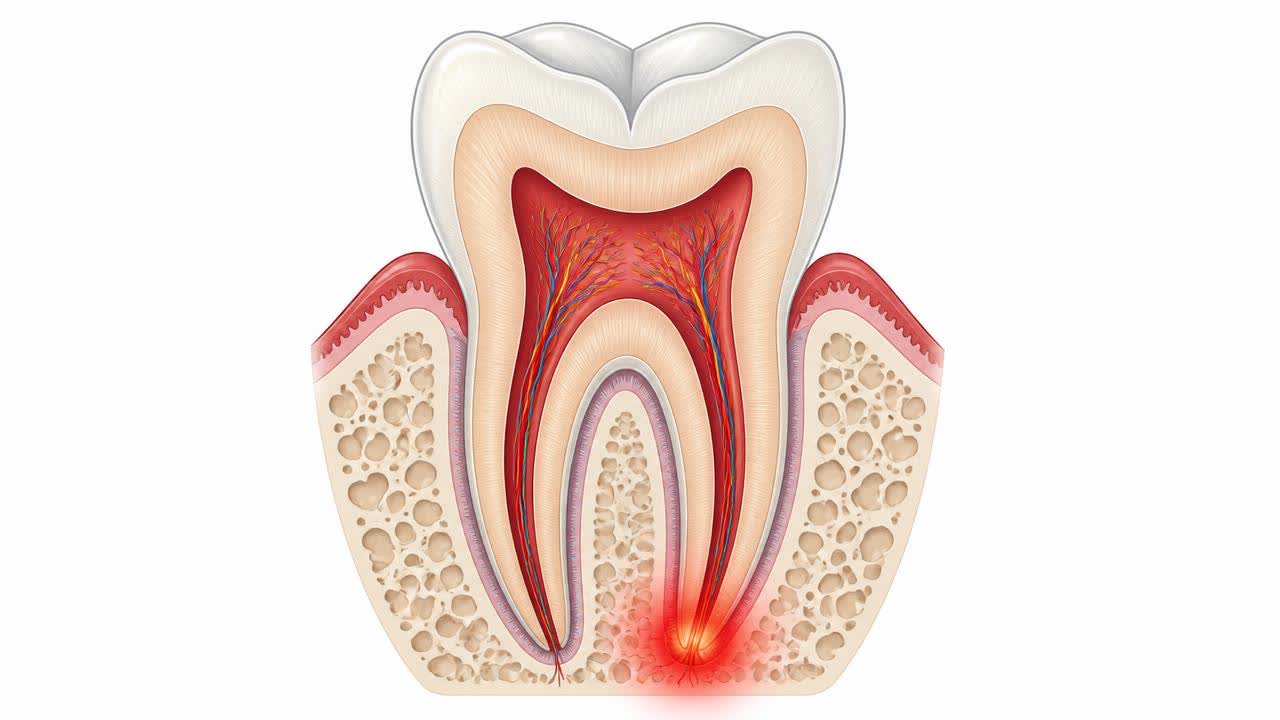
Single sitting root canal treatment refers to completing the cleaning, shaping, disinfection, and filling of the root canal system within one appointment, rather than spreading the process over two or more visits. Advances in rotary instrumentation and irrigation protocols have made this achievable for a large proportion of cases, saving patients time and additional trips to the clinic.
This approach is particularly convenient for working professionals and patients travelling from outside Jaipur for treatment, as it reduces the number of visits required without necessarily compromising the quality of care, provided the case is suitable and performed by an experienced clinician.
Which Cases Are Suitable
Teeth with straightforward canal anatomy, no active pus discharge, and mild to moderate infection are generally good candidates for completion in a single visit. The dentist will assess the tooth clinically and radiographically before deciding on this approach.
Teeth with severe acute infection, significant swelling, curved or calcified canals, or where the patient reports very severe spontaneous pain may be better managed over two visits, allowing an intracanal medication to reduce bacterial load before the final filling is placed. This staged approach helps achieve a more predictable, long-lasting result in complex cases.
Advantages and Limitations
The main advantages of completing treatment in one sitting are fewer appointments, reduced overall chair time, and quicker resolution of the treatment process for the patient. It can also lower the psychological burden for anxious patients who prefer to finish the procedure promptly.
The limitation is that not every tooth is anatomically or clinically suited to this approach, and forcing a single visit in an unsuitable case can compromise disinfection and long-term success. A careful clinical judgement by the treating dentist is essential rather than choosing based on convenience alone.
What Happens During the Appointment
The appointment typically lasts between forty-five minutes to just over an hour depending on the tooth and number of canals. Local anaesthesia is administered, the canals are cleaned and shaped using rotary files, irrigated thoroughly with disinfecting solutions, and then filled and sealed in the same visit.
A temporary or permanent filling is placed at the end of the appointment, and the patient is usually advised to return within a few weeks for a permanent crown if the tooth requires additional strengthening.
Questions patients ask us
- Is single sitting root canal as effective as the multi-visit approach?
- When the case is appropriately selected, single sitting root canal treatment has comparable success rates to the multi-visit approach. The key factor is thorough cleaning and disinfection of the canal system rather than the number of appointments used to achieve it.
- Will I feel more pain after a single sitting procedure?
- Post-treatment discomfort depends more on the severity of the original infection than on whether the treatment was completed in one or two visits. Your dentist will prescribe appropriate pain relief and advise you on managing any mild soreness afterwards.
- Can every tooth be treated in a single visit?
- No, teeth with severe acute infection, pus discharge, or complex canal anatomy are often better managed over two visits to allow proper disinfection before sealing the canal, ensuring a more predictable long-term outcome.
- How soon can I return to work after single sitting treatment?
- Most patients can return to normal work and daily activities the same day or the following day, once the local anaesthesia has worn off and any mild soreness has settled with the prescribed medication.
Sources and further reading
Guidance from professional and public health bodies. Clinical decisions here are made on your own examination and radiographs.
- 1.Endodontic diagnosis terminology and treatment guidance — American Association of Endodontists
- 2.Guidelines for the management of traumatic dental injuries — International Association of Dental Traumatology
- 3.Antimicrobial prescribing for dental infection — NICE (UK)
- 4.Oral health — fact sheet and global status report — World Health Organization
- 5.Policy statements and oral health definitions — FDI World Dental Federation
- 6.Dental health — conditions, treatments and patient guidance — NHS (UK)
- 7.Systematic reviews of oral and dental interventions — Cochrane Oral Health
- 8.Regulatory framework and dental education standards in India — Dental Council of India
When to see us
Get examined without waiting if any of the following applies to you:
- Facial or neck swelling, difficulty swallowing, opening the mouth or breathing — this is an emergency
- Pain with fever, or swelling that is spreading rather than settling
- A tooth knocked out or pushed out of position after an injury — time matters
- Pain that wakes you at night or does not respond to ordinary painkillers
Get a written plan and cost before you commit
If this is what you are dealing with, the next step is a consultation with radiographs — pain & emergencies cases are seen by the specialist who handles that field. You get a written plan and staged cost before anything begins.
reception@dramitsharmahospital.comThis article is general education and does not replace an in-person examination, radiographs or a diagnosis by a qualified dentist.
Clinical terms in this article
Related in Pain & Emergencies
Tooth Pain and Sensitivity: Causes, Relief and When to See a Dentist
Why teeth hurt or react to hot and cold, the difference between everyday sensitivity and a warning sign, and what treatment usually follows.
Root Canal Treatment Explained
Why a tooth needs root canal therapy, what happens during single-sitting endodontics, and why crowns follow.
Tooth Pain and Dental Emergencies
How to identify a genuine dental emergency, what to do in the first hour, and when to call the hospital immediately.
Reversible vs Irreversible Pulpitis Symptoms and Treatment Options
Understanding reversible vs irreversible pulpitis is essential when managing dental pain. This guide explains their anatomical causes, diagnostic criteria, clinical symptoms, and evidence-based treatments ranging from conservative restorations to root canal therapy and emergency care.
Differences Between a Tooth Abscess and Gum Abscess
A dental abscess is a localised collection of pus caused by bacterial infection. Distinguishing between a tooth abscess (periapical) and a gum abscess (periodontal) is vital, as their anatomical origins, clinical presentations, diagnostic pathways, and definitive treatments differ fundamentally.
Why Tooth Pain Gets Worse When Lying Down
Experiencing toothache worse lying down typically indicates elevated pulpal or periapical pressure driven by increased cranial blood flow when supine. This guide explains pulpal anatomy, underlying causes, diagnostic pathways, evidence-based treatments, and critical red flags requiring emergency care.