At a glance
- Teeth sensitivity occurs when the protective enamel layer wears down or gums recede, exposing the underlying dentin.
- Enamel is the hardest substance in the human body, but it is not invincible against daily wear and tear.
- Gum recession exposes the tooth roots, which lack the protective enamel covering found on the crown.
- Occasional sensitivity may be manageable with over-the-counter products, but persistent or worsening pain warrants a professional evaluation.
- At-home management involves using desensitising toothpastes that contain ingredients to block nerve pathways or strengthen enamel.
What Causes Teeth Sensitivity?
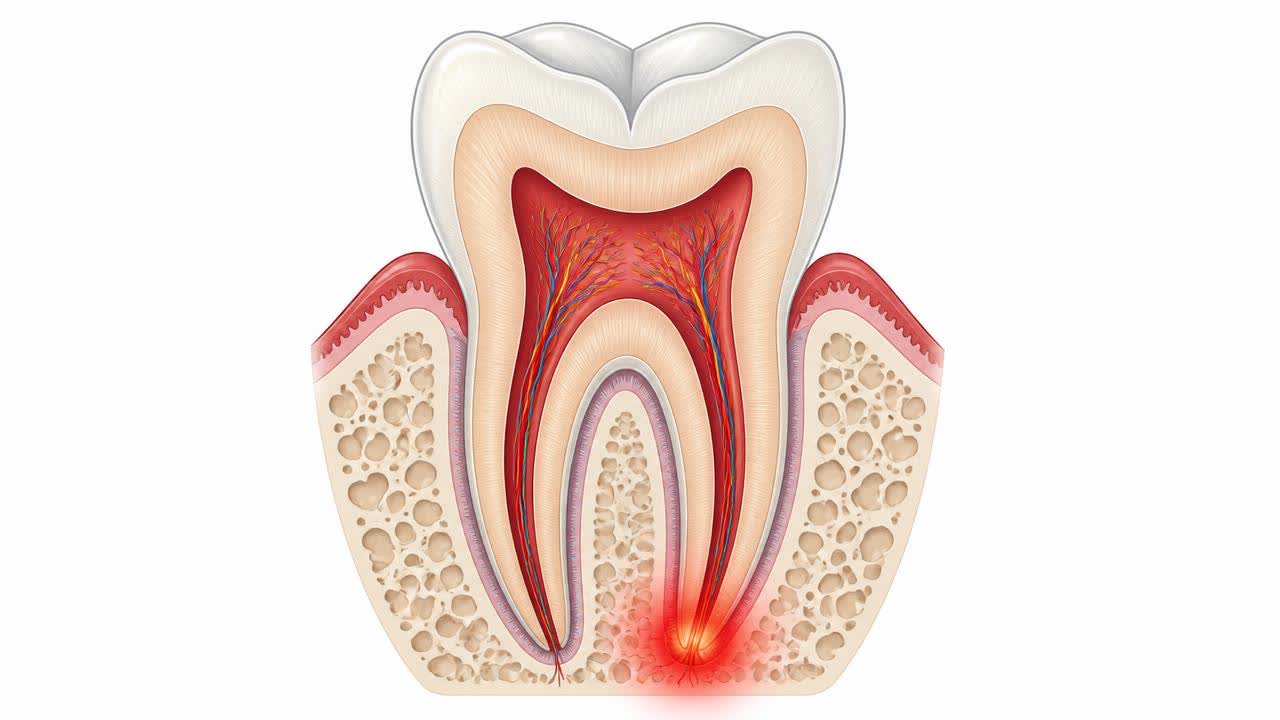
Teeth sensitivity occurs when the protective enamel layer wears down or gums recede, exposing the underlying dentin. Dentin contains microscopic tubules that lead directly to the tooth's nerve centre, the pulp. When hot, cold, or acidic substances reach these tubules, they trigger discomfort or sharp pain. Understanding this mechanism is the first essential step towards managing your dental health effectively.
Common culprits include aggressive brushing, tooth grinding, or consuming high-acid foods frequently. Sometimes, it can be a sign of deeper structural issues like a cracked tooth or a failing restoration. At Dr. Amit Sharma Super Speciality Dental Hospital, we conduct a thorough examination to pinpoint the exact cause, ensuring that our treatment plan targets the root of your unique dental discomfort.
The Role of Enamel Erosion
Enamel is the hardest substance in the human body, but it is not invincible against daily wear and tear. Acidic erosion from fizzy drinks, citrus fruits, and gastric reflux can dissolve enamel over time, thinning the protective shield. Once this layer is compromised, the sensitive dentin underneath becomes vulnerable to external stimuli. Prevention focuses on neutralising acids and strengthening the surface.
Our clinical team recommends dietary modifications and specific oral hygiene techniques to halt enamel loss. Using the right fluoride-rich products can help remineralise affected areas, reinforcing your natural defences. If you notice persistent sensitivity after eating or drinking, do not ignore the symptoms. Early intervention prevents further damage and preserves your natural tooth structure for years to come.
Gum Recession and Sensitivity
Gum recession exposes the tooth roots, which lack the protective enamel covering found on the crown. Roots are covered by cementum, a softer material that is much easier to wear away, allowing sensitivity to develop quickly. Recession can be caused by periodontal disease, vigorous brushing, or even genetic predisposition. Identifying the cause is vital for successful long-term management of your sensitivity.
We offer comprehensive gum therapy to address recession and protect exposed roots. Depending on the severity, we might suggest desensitising agents or gentle root coverage procedures. By stabilising your gum health, we not only reduce sensitivity but also protect the bone that supports your teeth. Contact us at 9314403502 to schedule an assessment if your gums appear to be pulling away.
Managing Sensitivity at Home
At-home management involves using desensitising toothpastes that contain ingredients to block nerve pathways or strengthen enamel. It is crucial to use these correctly, usually by applying them directly to sensitive areas and allowing them to sit for a few minutes. Consistency is key, as these products often require a few weeks of regular use to provide noticeable relief.
Maintaining excellent oral hygiene remains the cornerstone of sensitivity prevention. Brush gently with a soft-bristled toothbrush to avoid further irritation of gums and enamel. Avoid overly abrasive whitening pastes if you have known sensitivity, as these can aggravate the condition. For personalised advice and professional care, reach out to our team at Dr. Amit Sharma Super Speciality Dental Hospital today.
When to Seek Professional Help
Occasional sensitivity may be manageable with over-the-counter products, but persistent or worsening pain warrants a professional evaluation. If sensitivity starts affecting your ability to eat, sleep, or maintain your daily routine, it is time to seek expert dental care. A clinical examination helps us rule out decay, cracks, or pulpal inflammation that requires urgent attention at our hospital.
Our specialists in Jaipur are equipped to diagnose even subtle issues causing your discomfort. We take the time to listen to your symptoms, review your oral history, and provide a tailored treatment strategy. Whether it is a simple protective coating or a more comprehensive restorative procedure, our priority is returning you to comfort and restoring your full dental function.
Questions patients ask us
- Why do my teeth hurt when I drink cold water?
- Cold sensitivity usually indicates exposed dentin due to enamel wear or gum recession. The cold stimulus travels through microscopic tubules to the tooth's nerve. This is a common issue, and our team in Jaipur can diagnose the exact location and suggest appropriate treatments like desensitising agents or protective restorations to restore comfort.
- Can I use whitening toothpaste if my teeth are sensitive?
- It is generally not recommended. Whitening toothpastes often contain abrasive particles that physically scrub enamel, which can worsen existing sensitivity. If you desire a brighter smile despite sensitivity, consult us first. We offer professional, supervised whitening options that are specifically designed to be gentle and effective for patients with sensitive dental needs.
- Is sensitive tooth pain permanent?
- Not necessarily. While sensitivity can be chronic if the underlying cause is not addressed, many cases are reversible or manageable with the right treatment. By treating the source—whether it is gum disease, acidic erosion, or a cavity—we can often significantly reduce or eliminate the pain, allowing you to enjoy your meals comfortably again.
- Does brushing harder clean my teeth better?
- No, brushing harder is harmful. Vigorous brushing causes gum recession and wears away your protective tooth enamel. This damage is irreversible and a primary cause of dental sensitivity. We advise using a soft-bristled brush with gentle circular motions to effectively clean teeth and gums without damaging delicate tissues or exposing underlying nerve pathways.
Sources and further reading
Guidance from professional and public health bodies. Clinical decisions here are made on your own examination and radiographs.
- 1.Endodontic diagnosis terminology and treatment guidance — American Association of Endodontists
- 2.Guidelines for the management of traumatic dental injuries — International Association of Dental Traumatology
- 3.Antimicrobial prescribing for dental infection — NICE (UK)
- 4.Oral health — fact sheet and global status report — World Health Organization
- 5.Policy statements and oral health definitions — FDI World Dental Federation
- 6.Dental health — conditions, treatments and patient guidance — NHS (UK)
- 7.Systematic reviews of oral and dental interventions — Cochrane Oral Health
- 8.Regulatory framework and dental education standards in India — Dental Council of India
When to see us
Get examined without waiting if any of the following applies to you:
- Facial or neck swelling, difficulty swallowing, opening the mouth or breathing — this is an emergency
- Pain with fever, or swelling that is spreading rather than settling
- A tooth knocked out or pushed out of position after an injury — time matters
- Pain that wakes you at night or does not respond to ordinary painkillers
Get a written plan and cost before you commit
If this is what you are dealing with, the next step is a consultation with radiographs — pain & emergencies cases are seen by the specialist who handles that field. You get a written plan and staged cost before anything begins.
reception@dramitsharmahospital.comThis article is general education and does not replace an in-person examination, radiographs or a diagnosis by a qualified dentist.
Clinical terms in this article
Related in Pain & Emergencies
Tooth Pain and Sensitivity: Causes, Relief and When to See a Dentist
Why teeth hurt or react to hot and cold, the difference between everyday sensitivity and a warning sign, and what treatment usually follows.
Root Canal Treatment Explained
Why a tooth needs root canal therapy, what happens during single-sitting endodontics, and why crowns follow.
Tooth Pain and Dental Emergencies
How to identify a genuine dental emergency, what to do in the first hour, and when to call the hospital immediately.
Reversible vs Irreversible Pulpitis Symptoms and Treatment Options
Understanding reversible vs irreversible pulpitis is essential when managing dental pain. This guide explains their anatomical causes, diagnostic criteria, clinical symptoms, and evidence-based treatments ranging from conservative restorations to root canal therapy and emergency care.
Differences Between a Tooth Abscess and Gum Abscess
A dental abscess is a localised collection of pus caused by bacterial infection. Distinguishing between a tooth abscess (periapical) and a gum abscess (periodontal) is vital, as their anatomical origins, clinical presentations, diagnostic pathways, and definitive treatments differ fundamentally.
Why Tooth Pain Gets Worse When Lying Down
Experiencing toothache worse lying down typically indicates elevated pulpal or periapical pressure driven by increased cranial blood flow when supine. This guide explains pulpal anatomy, underlying causes, diagnostic pathways, evidence-based treatments, and critical red flags requiring emergency care.