At a glance
- For most healthy adults, the standard recommendation is to have a professional dental cleaning every six months.
- Several factors influence how often you should visit for a cleaning.
- Routine professional cleanings are about far more than just having clean-feeling teeth.
- Think of your dental health as a partnership.
- The best way to stay on track is to schedule your next cleaning before you even leave our office.
The Standard Recommendation
For most healthy adults, the standard recommendation is to have a professional dental cleaning every six months. This frequency allows our team at Dr. Amit Sharma Super Speciality Dental Hospital to monitor your oral health, remove any tartar that you have missed with your daily brushing, and detect any potential issues while they are still in their very earliest, most treatable stages.
While six months is the standard, it is not a one-size-fits-all rule. Your individual needs might be different. Some patients may require more frequent visits, while others who have exceptional hygiene and low risk for dental disease may be able to go slightly longer between appointments. During your visit, we can provide a personalised recommendation based on your specific oral health status, habits, and any history of dental issues.
Factors Influencing Frequency
Several factors influence how often you should visit for a cleaning. These include your natural susceptibility to gum disease or decay, the speed at which you accumulate tartar, and the presence of complex dental work like implants, bridges, or braces. If you have been diagnosed with periodontal disease, more frequent visits—perhaps every three or four months—are often necessary to manage the infection and prevent further bone and tooth loss.
Your personal habits also play a huge role. If you are extremely diligent with your daily brushing and interdental cleaning, you might have less buildup than someone who struggles to maintain a consistent routine. Your overall health, including conditions like diabetes, can also affect your gum health and may necessitate a more frequent cleaning schedule. We will evaluate these factors during your comprehensive exam to ensure your frequency is just right for you.
Why Routine Visits Matter
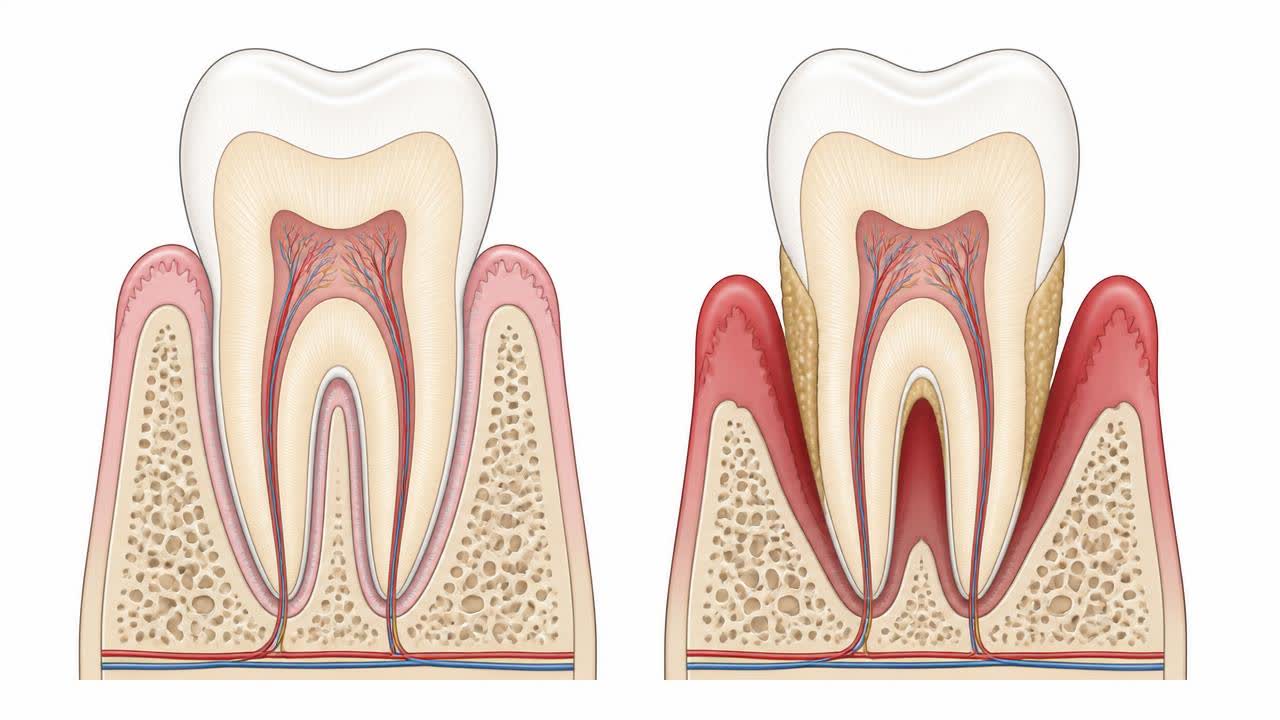
Routine professional cleanings are about far more than just having clean-feeling teeth. They are a critical part of your overall health strategy. During these appointments, we can remove the hardened tartar deposits that no amount of brushing or flossing can remove at home. This prevents the inflammation and infection that are the root causes of gum disease, which can lead to tooth loss if left untreated for long periods.
Furthermore, these visits are an excellent opportunity for us to examine your entire mouth for signs of other health issues, including oral cancer, which are often detected in the early stages during routine exams. By catching problems early, you save yourself the discomfort, time, and expense of more invasive procedures later on. View these visits not as a burden, but as a simple, proactive investment in your health and long-term peace of mind.
A Team Approach
Think of your dental health as a partnership. You are responsible for the daily care—the brushing, flossing, and healthy choices—and we are responsible for the professional maintenance and guidance. When you stick to your recommended schedule, we can act as a safety net, catching any issues early and ensuring your mouth remains in the best possible condition. We are here to support your success in achieving a lifetime of great oral health.
If you have fallen behind on your cleaning schedule, do not feel embarrassed or anxious. The most important thing is to book your next appointment now. We are here to help you get back on track, no matter how long it has been. We will work with you to understand your current needs and establish a schedule that keeps your smile bright, healthy, and clean, regardless of your starting point.
Making Your Next Appointment
The best way to stay on track is to schedule your next cleaning before you even leave our office. This simple practice ensures that you are locked into a regular routine. If you are due for a cleaning, please reach out to Dr. Amit Sharma Super Speciality Dental Hospital today to book your visit. We look forward to helping you maintain a healthy, comfortable, and beautiful smile every single day.
Remember that dental health is a lifelong commitment, and each professional cleaning is a significant step along the way. By committing to the right frequency for your needs, you are taking ownership of your health and setting yourself up for long-term success. Let us help you maintain your smile for the rest of your life. Contact us today, and let’s get you back on track for a truly healthy mouth.
Questions patients ask us
- Why do I need a cleaning every six months?
- A cleaning every six months allows us to remove tartar that you cannot reach at home and check for early signs of decay or gum disease. This helps prevent minor issues from becoming major problems, saving you time, money, and discomfort in the long run. It is a proactive health investment.
- Can I go longer than six months?
- Some people with exceptional oral hygiene and a very low risk of dental issues might be able to extend their visit frequency. However, this should only be decided after a comprehensive professional evaluation. It is safer for most patients to stick to a six-month schedule to ensure consistent, reliable health.
- What happens if I need more frequent cleanings?
- If you have periodontal disease or a high rate of tartar accumulation, we may recommend visits every three to four months. This increased frequency is necessary to manage your gum health effectively, prevent the progression of disease, and protect your teeth from the damaging effects of untreated bacterial buildup over time.
- Are cleanings painful?
- Most professional cleanings are very comfortable and not painful. We use gentle, efficient tools to remove plaque and tartar. If you are nervous about your visit or have specific concerns about sensitivity, please let us know in advance. We can take steps to ensure your experience is as comfortable as possible.
Sources and further reading
Guidance from professional and public health bodies. Clinical decisions here are made on your own examination and radiographs.
- 1.EFP clinical practice guidelines for periodontitis — European Federation of Periodontology
- 2.Classification of periodontal and peri-implant diseases — American Academy of Periodontology
- 3.Prevention and treatment of periodontal diseases in practice — Scottish Dental Clinical Effectiveness Programme
- 4.Oral health — fact sheet and global status report — World Health Organization
- 5.Policy statements and oral health definitions — FDI World Dental Federation
- 6.Dental health — conditions, treatments and patient guidance — NHS (UK)
- 7.Systematic reviews of oral and dental interventions — Cochrane Oral Health
- 8.Regulatory framework and dental education standards in India — Dental Council of India
When to see us
Get examined without waiting if any of the following applies to you:
- Gums that bleed without provocation, or bleeding that has become heavier
- Teeth that feel loose, are drifting, or gaps that are opening up
- Persistent bad breath or taste, gum abscesses, or pus on pressing the gum
Get a written plan and cost before you commit
If this is what you are dealing with, the next step is a consultation with radiographs — gums & prevention cases are seen by the specialist who handles that field. You get a written plan and staged cost before anything begins.
reception@dramitsharmahospital.comThis article is general education and does not replace an in-person examination, radiographs or a diagnosis by a qualified dentist.
Clinical terms in this article
Related in Gums & Prevention
Bleeding Gums and Gum Disease: A Complete Guide
What bleeding gums usually mean, how gingivitis progresses into periodontal disease, and the treatment path from scaling to gum surgery.
Gum Disease: Detection and Treatment
From reversible gingivitis to periodontitis, the warning signs, staged treatment and the link to overall health.
Preventive Dentistry and Home Care
The routine that prevents most dental disease: brushing technique, interdental cleaning, diet and recall visits.
Chronic Bad Breath Caused by Gum Infection
Chronic bad breath, or halitosis, is frequently driven by underlying gum disease. Subgingival bacteria produce volatile sulphur compounds within periodontal pockets. Effective resolution requires professional periodontal debridement, targeted biofilm disruption, and meticulous daily interdental hygiene rather than cosmetic masking.
Loose Permanent Teeth from Advanced Periodontal Disease
Loose teeth from advanced gum disease occur when severe chronic inflammation destroys the supporting alveolar bone and periodontal ligament. With timely periodontal therapy, splinting, and meticulous plaque control, many loose teeth can be stabilised and preserved without extraction.
Furcation Involvement and Bone Loss Between Roots
Furcation involvement describes bone loss between the roots of multi-rooted molars caused by advanced periodontal disease. This clinical guide explains its causes, diagnostic staging, surgical and non-surgical therapies, daily maintenance, and red flag symptoms requiring urgent care.