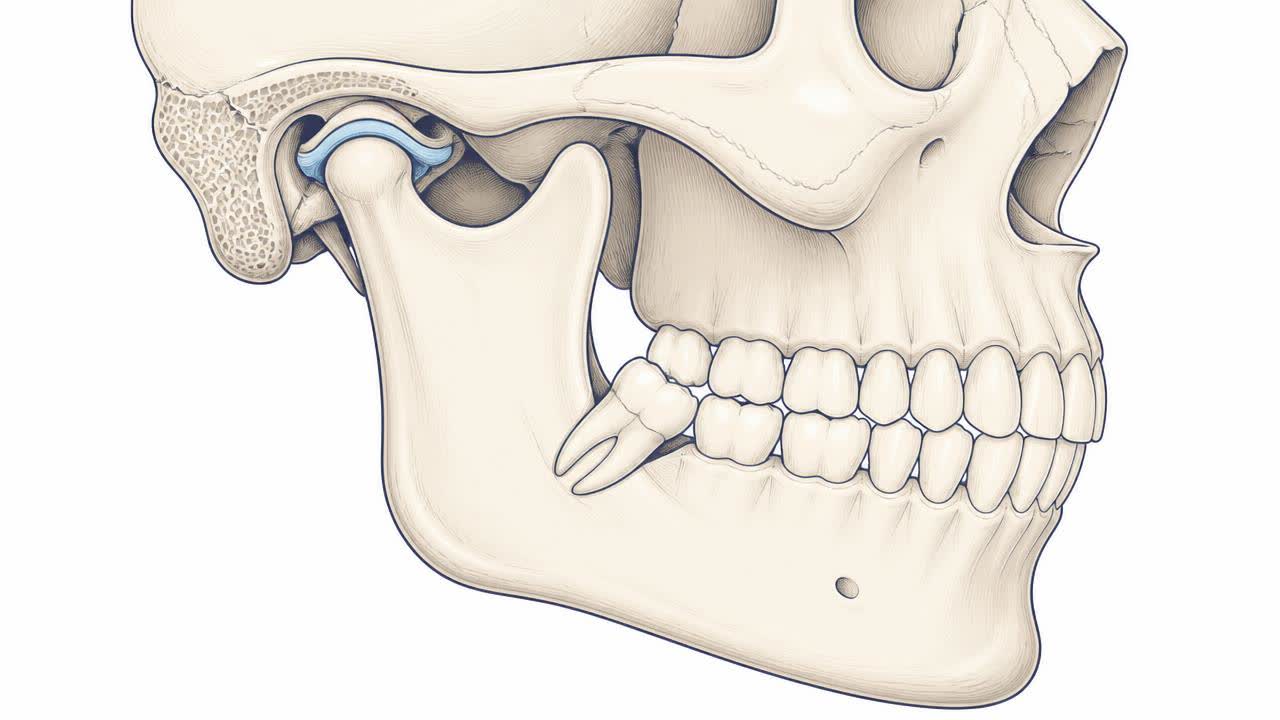
At a glance
- After jaw surgery, it is very common for the muscles to become stiff, which can significantly limit your ability to open your mouth fully.
- Your exercise programme is designed to be gentle at first, respecting the tissues as they heal.
- We teach you specific techniques, such as using gentle, controlled pressure to help your jaw stretch just a little bit further, or movements that help coordinate the muscles on both sides of the jaw.
- If you find that your jaw is not improving despite regular exercise, or if you experience new, sharp pain or locking, please contact us for an evaluation.
- Regaining full mouth opening is a crucial milestone in your post-surgical recovery.
The Importance of Jaw Mobility
After jaw surgery, it is very common for the muscles to become stiff, which can significantly limit your ability to open your mouth fully. This stiffness is a normal part of the healing process, but if left unmanaged, it can lead to long-term discomfort and functional challenges. Physiotherapy and targeted mouth opening exercises are essential to break this cycle of stiffness and restore the natural, easy movement of your jaw.
Restoring mobility is about more than just comfort; it is about restoring your quality of life. The ability to speak, eat, and brush your teeth comfortably are fundamental, and regaining this range of motion is a key goal in your surgical recovery. Our team provides you with a structured exercise programme, carefully tailored to your healing stage, to ensure you can safely and effectively work your way back to full jaw function.
Starting Your Exercise Programme
Your exercise programme is designed to be gentle at first, respecting the tissues as they heal. We typically start with simple stretches, focusing on slowly and steadily increasing the distance you can open your mouth. These exercises should never be painful; the goal is a gentle stretch that helps the muscles and joints to gradually loosen up, avoiding any strain that could set your recovery back.
Consistency is the most important factor in your success. Performing these exercises multiple times throughout the day, as recommended, is far more effective than one long, intense session. We guide you on exactly how often to perform each movement and how to recognise when your muscles have had enough. By building these simple exercises into your daily routine, you make steady, safe progress toward regaining your full range of motion.
Guided Techniques for Success
We teach you specific techniques, such as using gentle, controlled pressure to help your jaw stretch just a little bit further, or movements that help coordinate the muscles on both sides of the jaw. These guided exercises are designed to ensure you are moving your jaw in the right way, preventing any imbalances and helping you feel confident as you slowly regain your normal opening, bite, and overall comfort.
Our team monitors your progress at every check-up, adjusting your exercises as you improve. This personalised approach ensures that your plan is always perfectly matched to your healing stage, keeping you motivated and safe. If you find any exercise difficult, let us know; we can always adapt your routine to ensure you have the support needed to continue making progress, without feeling frustrated or discouraged during your recovery journey.
Your Path to Full Function
Regaining full mouth opening is a crucial milestone in your post-surgical recovery. We are here to support you at every stage, providing the care, training, and encouragement you need to succeed. With regular practice, you will find that the stiffness gradually disappears, leaving you with a comfortable, mobile, and fully functional jaw that allows you to live your life to the fullest once again.
If you are currently recovering from jaw surgery and need guidance on your physiotherapy routine, please reach out to us at 9314403502. We provide expert, personalised physiotherapy support to help you achieve the best possible functional outcomes. You can trust our hospital for thorough, compassionate, and effective care, ensuring you have the tools and support you need for a complete and comfortable recovery after your surgical procedure.
When to Seek Further Help
If you find that your jaw is not improving despite regular exercise, or if you experience new, sharp pain or locking, please contact us for an evaluation. These can be signs that more intensive physiotherapy or a different management approach is needed. We are committed to your success and are always here to help you navigate any hurdles that may arise while you are working on your jaw mobility.
Remember, the goal is a fully functional, comfortable, and healthy jaw. We provide the expertise, the structure, and the ongoing support needed to help you get there. Your recovery is a collaborative effort, and with your dedication and our professional guidance, we are confident that you will regain the full use of your jaw, ensuring a smooth and successful return to your normal life.
Questions patients ask us
- Why does my jaw feel stiff?
- Jaw stiffness is a natural and expected part of the body's healing response after surgery. It occurs because the muscles tighten and the tissues need time to recover. Targeted exercises are the best way to release this stiffness, gently encouraging your muscles and joints to regain their normal movement over time.
- Should the exercises hurt?
- No, your mouth opening exercises should never cause sharp or intense pain. You should feel a gentle, manageable stretch that indicates the muscles are being worked effectively. If you experience pain, stop the exercise and contact your dentist; we can adjust your routine to ensure it remains comfortable and safe for you.
- How often should I do them?
- Your dentist will provide you with a specific, daily routine that is tailored to your healing progress. Typically, performing shorter, more frequent sessions throughout the day is the most effective approach. Consistency is much more important than the intensity of the exercises, and sticking to your plan is key to your success.
- How long will it take to open my mouth fully?
- The time it takes to regain your full mouth opening varies for every patient, depending on the surgery you had and your natural healing pace. With consistent practice of your exercises, you will see steady, incremental improvements. We will monitor your progress closely at each follow-up visit to support you through the entire process.
Sources and further reading
Guidance from professional and public health bodies. Clinical decisions here are made on your own examination and radiographs.
- 1.Clinical parameters of care and patient information — American Association of Oral and Maxillofacial Surgeons
- 2.Guidance on the extraction of wisdom teeth — NICE (UK)
- 3.Oral cancer — risk factors, early detection and prevention — World Health Organization
- 4.Policy statements and oral health definitions — FDI World Dental Federation
- 5.Dental health — conditions, treatments and patient guidance — NHS (UK)
- 6.Systematic reviews of oral and dental interventions — Cochrane Oral Health
- 7.Regulatory framework and dental education standards in India — Dental Council of India
When to see us
Get examined without waiting if any of the following applies to you:
- Swelling that spreads, restricts mouth opening or affects swallowing or breathing
- Numbness, altered sensation, or bleeding that will not stop after surgery
- Jaw locking, an ulcer or lump lasting more than two weeks, or a white or red patch that does not heal
Get a written plan and cost before you commit
If this is what you are dealing with, the next step is a consultation with radiographs — surgery & jaw cases are seen by the specialist who handles that field. You get a written plan and staged cost before anything begins.
reception@dramitsharmahospital.comThis article is general education and does not replace an in-person examination, radiographs or a diagnosis by a qualified dentist.
Related in Surgery & Jaw
Wisdom Tooth Problems: Symptoms, Impaction and When Removal Is Needed
Why wisdom teeth cause pain and swelling, what impaction means, and how to decide between monitoring and surgical removal.
Wisdom Teeth and Impactions
When third molars need removal, what impaction means, and what recovery realistically looks like.
Jaw Surgery, TMJ Disorders and Facial Trauma
Corrective jaw surgery, temporomandibular joint pain and management of facial injuries by a maxillofacial team.
Laser Periodontal Therapy Procedure Benefits and Recovery
Laser periodontal therapy, including the LANAP protocol, uses targeted wavelength lasers to treat moderate-to-severe periodontitis. This guide covers biological mechanisms, procedural stages, recovery guidelines, evidence-based outcomes, and long-term periodontal maintenance strategies.
Connective Tissue Graft Surgery for Receding Gums
Connective tissue gum graft surgery repairs severe gingival recession by transplanting donor tissue beneath receded gums. This evidence-based guide explains surgical techniques, anatomical principles, recovery timelines, clinical classifications, risks, and postoperative maintenance for optimal root coverage.
Free Gingival Graft Procedure to Thicken Gums
A free gingival graft is a proven periodontal surgical procedure designed to augment thin or deficient attached gum tissue. This comprehensive guide covers anatomical indications, surgical steps, donor and recipient healing phases, complications, and evidence-based post-operative recovery protocols.