At a glance
- Pericoronitis occurs when the soft tissue around a partially erupted tooth—most commonly a wisdom tooth—becomes infected.
- Common symptoms of pericoronitis include pain, swelling, redness in the gum area around the back of your mouth, and a persistent bad taste.
- The first step in our treatment is to thoroughly clean the area under the gum flap to remove all trapped food and bacteria.
- While you wait for your appointment, you can gently rinse your mouth with warm salt water, which helps to soothe the inflammation and clear away loose food particles.
- Preventing pericoronitis is largely about keeping that tight space under the gum flap perfectly clean.
What is Pericoronitis?
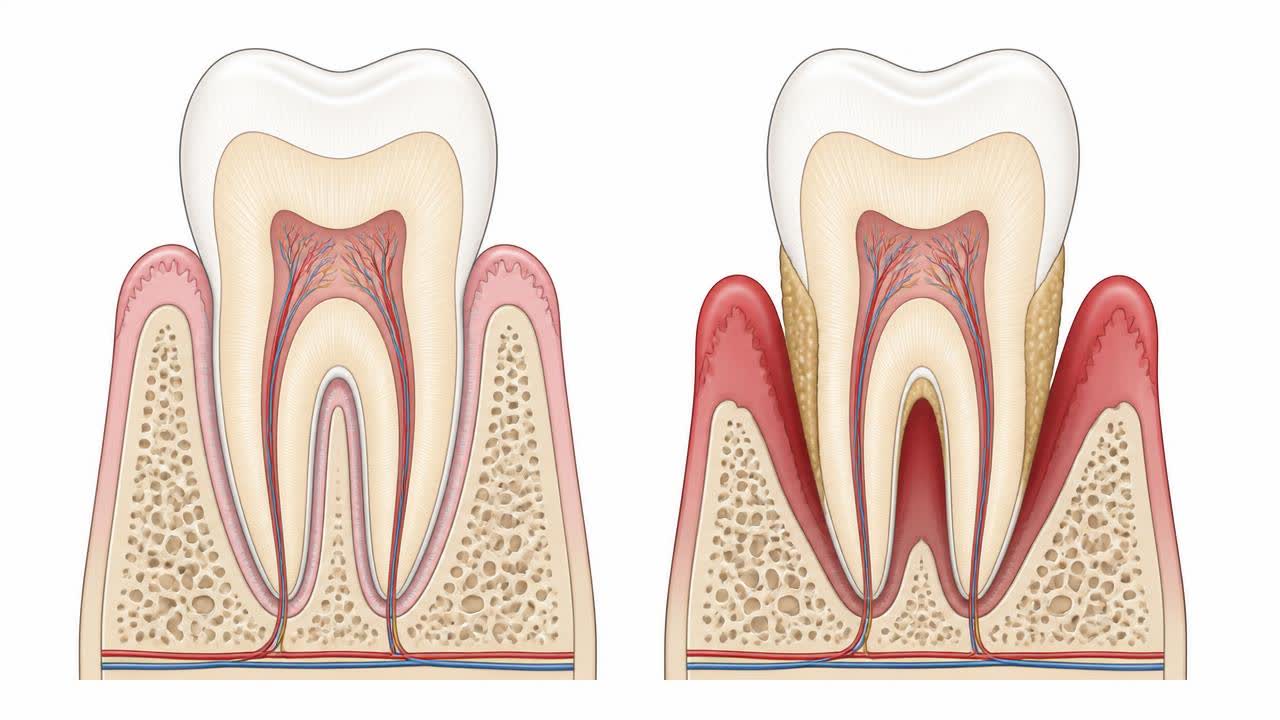
Pericoronitis occurs when the soft tissue around a partially erupted tooth—most commonly a wisdom tooth—becomes infected. The gum forms a flap over part of the tooth, creating a narrow space where food particles and bacteria easily become trapped. Because this area is so difficult to clean, the bacteria quickly multiply, causing inflammation, pain, and sometimes swelling in the surrounding gum and cheek.
At Dr. Amit Sharma Super Speciality Dental Hospital, we see this condition quite frequently in younger adults whose wisdom teeth are still in the process of coming in. We provide professional cleaning to remove the debris and reduce the infection, offering effective relief from the pain and helping to prevent this distressing condition from interfering with your daily life.
Recognising the Signs
Common symptoms of pericoronitis include pain, swelling, redness in the gum area around the back of your mouth, and a persistent bad taste. You might also notice difficulty opening your mouth, swollen lymph nodes in your neck, or even a low-grade fever if the infection becomes more significant. These symptoms indicate that the inflammation has become acute and needs professional attention.
If you notice these signs, it is important to contact our clinic early. A quick assessment can prevent the infection from spreading. We are here to help, providing clear diagnosis, effective treatment, and compassionate support to resolve the pain and ensure your oral health is restored to its normal, comfortable state as quickly as possible.
Immediate Treatment Options
The first step in our treatment is to thoroughly clean the area under the gum flap to remove all trapped food and bacteria. We use gentle irrigation techniques to clear the pocket and may apply antiseptic solutions to help soothe the tissues and combat the infection. In many cases, this immediate, professional cleaning provides substantial relief from pain and swelling within just a short time.
If the infection is significant or recurs, we might discuss additional treatment options, such as removing the excess gum tissue or, if appropriate, extracting the involved wisdom tooth. We discuss the benefits and the process of each option in detail, ensuring you feel confident in the plan. Our focus is on relieving your pain and resolving the infection permanently, while always prioritising your comfort.
Managing at Home
While you wait for your appointment, you can gently rinse your mouth with warm salt water, which helps to soothe the inflammation and clear away loose food particles. Be very gentle when brushing the area to avoid further trauma. Once we have treated the infection, we will provide you with specific, easy-to-follow home care instructions to help keep the area clean and prevent it from returning.
Maintaining cleanliness in that difficult-to-reach area is essential for your recovery. We will show you the right techniques and recommend the best tools, like small, specialised brushes, to help you stay free of pain. If you continue to experience discomfort, or if the infection keeps coming back, we will re-evaluate your treatment plan to ensure we find the best long-term solution.
Preventing Future Recurrence
Preventing pericoronitis is largely about keeping that tight space under the gum flap perfectly clean. For many, this is a lifelong challenge because of the position of the wisdom tooth. We are here to help you monitor the situation and provide the routine care you need to keep your gums healthy and pain-free, regardless of your anatomy.
At Dr. Amit Sharma Super Speciality Dental Hospital, we are dedicated to providing excellent, proactive care. If you are experiencing symptoms of pericoronitis or have any concerns about your wisdom teeth, contact our helpline to book a consultation today. Our friendly team is ready to provide expert advice and professional support to resolve your pain and keep you healthy and smiling for years to come.
Questions patients ask us
- Can I treat pericoronitis at home?
- You can use warm salt-water rinses to soothe the area and keep it clean, but you need professional care to thoroughly remove the trapped bacteria and pus. If left untreated, the infection can spread, so please book an appointment with our clinic as soon as you notice symptoms.
- Does pericoronitis always lead to extraction?
- Not necessarily. We first aim to resolve the infection through professional cleaning and patient education. If the condition is persistent or if the wisdom tooth is in a position that makes it impossible to keep clean, we may then discuss extraction as a long-term solution.
- What causes the bad taste in my mouth?
- The bad taste is caused by the bacteria and pus that are trapped under the gum flap. This is a common symptom of the infection and one of the clearest signs that you need to have the area professionally cleaned.
- How long until I feel relief?
- Most patients feel significant relief shortly after we professionally clean and irrigate the area. As the inflammation subsides over the following days, you should continue to feel better, provided you follow the prescribed home-care routine we provide to keep the space clean.
Sources and further reading
Guidance from professional and public health bodies. Clinical decisions here are made on your own examination and radiographs.
- 1.EFP clinical practice guidelines for periodontitis — European Federation of Periodontology
- 2.Classification of periodontal and peri-implant diseases — American Academy of Periodontology
- 3.Prevention and treatment of periodontal diseases in practice — Scottish Dental Clinical Effectiveness Programme
- 4.Oral health — fact sheet and global status report — World Health Organization
- 5.Policy statements and oral health definitions — FDI World Dental Federation
- 6.Dental health — conditions, treatments and patient guidance — NHS (UK)
- 7.Systematic reviews of oral and dental interventions — Cochrane Oral Health
- 8.Regulatory framework and dental education standards in India — Dental Council of India
When to see us
Get examined without waiting if any of the following applies to you:
- Gums that bleed without provocation, or bleeding that has become heavier
- Teeth that feel loose, are drifting, or gaps that are opening up
- Persistent bad breath or taste, gum abscesses, or pus on pressing the gum
Get a written plan and cost before you commit
If this is what you are dealing with, the next step is a consultation with radiographs — gums & prevention cases are seen by the specialist who handles that field. You get a written plan and staged cost before anything begins.
reception@dramitsharmahospital.comThis article is general education and does not replace an in-person examination, radiographs or a diagnosis by a qualified dentist.
Clinical terms in this article
Related in Gums & Prevention
Bleeding Gums and Gum Disease: A Complete Guide
What bleeding gums usually mean, how gingivitis progresses into periodontal disease, and the treatment path from scaling to gum surgery.
Gum Disease: Detection and Treatment
From reversible gingivitis to periodontitis, the warning signs, staged treatment and the link to overall health.
Preventive Dentistry and Home Care
The routine that prevents most dental disease: brushing technique, interdental cleaning, diet and recall visits.
Chronic Bad Breath Caused by Gum Infection
Chronic bad breath, or halitosis, is frequently driven by underlying gum disease. Subgingival bacteria produce volatile sulphur compounds within periodontal pockets. Effective resolution requires professional periodontal debridement, targeted biofilm disruption, and meticulous daily interdental hygiene rather than cosmetic masking.
Loose Permanent Teeth from Advanced Periodontal Disease
Loose teeth from advanced gum disease occur when severe chronic inflammation destroys the supporting alveolar bone and periodontal ligament. With timely periodontal therapy, splinting, and meticulous plaque control, many loose teeth can be stabilised and preserved without extraction.
Furcation Involvement and Bone Loss Between Roots
Furcation involvement describes bone loss between the roots of multi-rooted molars caused by advanced periodontal disease. This clinical guide explains its causes, diagnostic staging, surgical and non-surgical therapies, daily maintenance, and red flag symptoms requiring urgent care.