At a glance
- Corrective jaw surgery, clinically termed orthognathic surgery, involves surgical repositioning of the maxilla (upper jaw), mandible (lower jaw), or both.
- Major orthognathic intervention induces a systemic, hypermetabolic stress response.
- The dietary rehabilitation pathway following orthognathic surgery is divided into distinct, clinically governed stages designed to safeguard bone healing.
- During the first fortnight, all nutritional intake must be entirely liquid and devoid of particulates that could lodge in surgical incisions.
- Transitioning from thin liquids to nutrient-rich purées requires smooth blending and fine-mesh straining.
Anatomy and the Surgical Impact on Nutrition
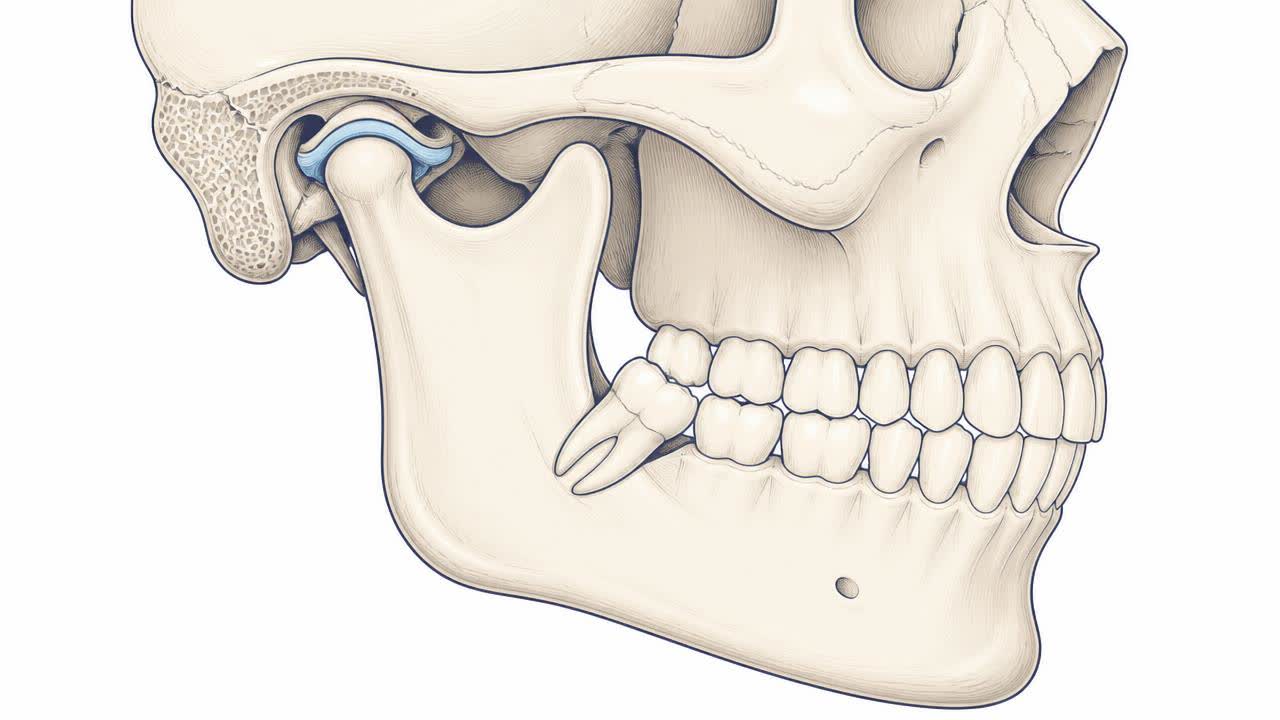
Corrective jaw surgery, clinically termed orthognathic surgery, involves surgical repositioning of the maxilla (upper jaw), mandible (lower jaw), or both. During these procedures, oral and maxillofacial surgeons perform osteotomies (controlled bone cuts) to correct skeletal malocclusion and facial asymmetry. The repositioned bone segments are stabilized using titanium plates and screws, known as rigid internal fixation. In many cases, guiding elastic bands (intermaxillary elastics) are applied to orthodontic brackets to maintain the new occlusal relationship. This structural intervention alters normal masticatory (chewing) biomechanics and temporarily limits mouth opening, making conventional eating impossible.
The surrounding soft tissues, including the masseter, temporalis, and pterygoid muscles, undergo significant postoperative trauma and protective muscle splinting. Marked tissue oedema (swelling), coupled with temporary neurosensory paresthesia (numbness) of the inferior alveolar and infraorbital nerves, severely compromises normal lip competency and swallowing reflexes. Patients temporarily lose tactile feedback from the lips and tongue, heightening the risk of spillages or accidental aspiration. Understanding these anatomical constraints helps patients navigate why the jaw must remain strictly unloaded while initial bony bridging and osteoid formation take place across osteotomy sites.
Why Specialized Nutrition is Essential Post-Surgery
Major orthognathic intervention induces a systemic, hypermetabolic stress response. In the immediate postoperative window, the body mobilises amino acids and glycogen stores to fuel cellular repair, tissue regeneration, and primary bone healing. If systemic caloric intake drops significantly, the body enters a catabolic state, breaking down skeletal muscle to meet its energetic demands. An inadequate diet after jaw surgery compromises immune surveillance, delays mucosal wound epithelialisation, and substantially increases the risk of surgical site infections around intraoral titanium hardware.
Protein delivery is the cornerstone of effective postoperative recovery. Dietary proteins supply essential amino acids necessary for collagen synthesis, angiogenesis (new blood vessel formation), and mineralization of the surgical callus. Micronutrients, including zinc, vitamin C, and vitamin D, act as essential cofactors in osteoblastic bone remodeling. Concurrently, maintaining fluid balance is critical; general anaesthetic clearance, postoperative low-grade pyrexia (fever), and mouth breathing through surgical swelling accelerate water loss, raising dehydration risks that can cause systemic lethargy, constipation, and impaired microvascular perfusion.
Phased Progression of the Diet After Jaw Surgery
The dietary rehabilitation pathway following orthognathic surgery is divided into distinct, clinically governed stages designed to safeguard bone healing. Stage 1, the Clear Liquid Phase, spans the initial 24 to 48 hours post-operation. It focuses strictly on gastric tolerance, anti-emetic stability, and cellular hydration. Stage 2, the Full Non-Chew Liquid Phase, extends from day 2 through weeks 3 or 4, requiring smooth, calorie-dense liquids that pass freely through interdental spaces without active mastication or muscular strain on the jaw.
Stage 3, the Smooth Purée Phase, typically commences between weeks 4 and 6, subject to clinical review and radiographic confirmation of early bone union. At this juncture, foods must maintain the consistency of smooth yoghurt or silk porridge, requiring no biting force. Stage 4, the Soft-Chew Diet, is introduced cautiously around weeks 6 to 8. During this phase, fork-mashable foods like steamed fish, well-cooked pasta, and scrambled eggs are permitted, while hard, crusty, sticky, or fibrous foods remain strictly prohibited until final bone consolidation is verified at three to six months.
Navigating the Initial Liquid Phase (Days 1 to 14)
During the first fortnight, all nutritional intake must be entirely liquid and devoid of particulates that could lodge in surgical incisions. Patients must achieve a minimum fluid intake of two to two-and-a-half litres daily to prevent dehydration. Because jaw immobility restricts fluid volume per swallow, meals must be divided into five to seven smaller feedings throughout the day. Commercial, high-protein oral nutritional supplements, strained whole-milk broths, fortified milkshakes, and blended legume soups form the foundation of this early dietary stage.
Feeding mechanics require deliberate adjustments during this phase. Drinking from conventional wide-rimmed mugs or using silicone-tipped paediatric squeeze bottles is strongly recommended. Crucially, drinking straws must be avoided entirely during the first four to six weeks. The suction mechanics required to draw fluid through a straw generate negative intraoral pressure, which can tear delicate mucosal suture lines, precipitate wound dehiscence (opening of surgical margins), and provoke postoperative bleeding from fragile microvasculature.
Transitioning to Puréed and Culturally Diverse Diets
Transitioning from thin liquids to nutrient-rich purées requires smooth blending and fine-mesh straining. Whole meals—including braised poultry, cooked root vegetables, lentils, and oats—can be blended with high-calorie liquids such as bone broth, coconut milk, full-fat dairy, or unsweetened soy milk. Incorporating healthy fats, such as olive oil, avocado oil, or unsalted butter, elevates caloric density without increasing meal volume, preventing excessive postoperative weight loss.
Cultural dietary practices can be adapted smoothly to meet these clinical guidelines. In Indian and South Asian households, traditional staples such as yellow moong dhal, well-cooked khichdi, ragi porridge, and kheer can be blended and strained to achieve a non-chew consistency. However, critical modifications are essential: all hot, pungent spices, chilli powder, whole mustard seeds, and acidic tamarind must be excluded, as they cause intense irritation to healing intraoral mucosa. Tobacco, paan (betel quid), and gutka are strictly contraindicated; these substances introduce carcinogenic toxins, cause microvascular constriction, and dramatically increase non-union and infection risks.
Clinical Complications of Nutritional Non-Compliance
Failing to comply with non-chew and liquid diet protocols presents serious clinical risks to jaw stability. Premature mastication transmits direct mechanical shear forces across healing osteotomy gaps. These forces can loosen internal fixation screws, buckle titanium miniplates, and lead to fibrous non-union or malunion (healing of the jaw in an incorrect alignment). Malunion compromises facial symmetry and functional dental occlusion, frequently necessitating complex revision surgery.
Inadequate consistency control presents local soft-tissue risks. Particulate food matter that bypasses straining can become trapped beneath mucosal flaps or around intraosseous hardware, creating a nidus for deep fascial space infections. Furthermore, rapid or uncoordinated swallowing of excessively thick mixtures while oral sensation is impaired can lead to laryngeal penetration and pulmonary aspiration, resulting in aspiration pneumonia. Strict adherence to prescribed textures is therefore a crucial safety measure.
Evidence and further reading
The principles governing dietary progression and nutritional support following orthognathic surgery are well-established across international maxillofacial literature. Consensus guidelines from the British Association of Oral and Maxillofacial Surgeons (BAOMS), the American Association of Oral and Maxillofacial Surgeons (AAOMS), and peer-reviewed syntheses in the *International Journal of Oral and Maxillofacial Surgery* emphasize that rigid internal fixation does not eliminate the need for functional bone rest. While miniplates provide primary structural stability, secondary osteoid mineralization requires an unloaded mechanical environment during the initial six to eight weeks of healing.
Clinical trials and nutritional reviews in the *Journal of Oral and Maxillofacial Surgery* confirm that proactive dietary supplementation reduces postoperative weight loss, shortens hospital stays, and mitigates surgical wound dehiscence. Cochrane systematic reviews on postoperative care highlight the preventative value of professional dietary counselling and structured oral hygiene protocols. Patients are encouraged to consult their surgical team and registered dietitians to adapt these evidence-based principles to their individual physiological needs and recovery timelines.
Monitoring Recovery: Normal Symptoms versus Complications
Certain bodily changes are expected following orthognathic intervention and the subsequent dietary shift. Mild weight loss—typically between two and five kilograms—is common during the first month due to fluid shifts and reduced caloric density. Transient bowel irregularity is also frequent, driven by low dietary insoluble fibre, altered physical activity, and the constipating effects of opioid analgesics. Sensation changes, such as tingling or temporary numbness across the chin and lower lip, are expected sequelae of intraoperative nerve retraction.
Conversely, significant departures from expected recovery trajectories require clinical evaluation. Precipitous weight loss exceeding ten percent of baseline body mass indicates severe nutritional deficit and protein-energy malnutrition. Progressive jaw muscle cramping, persistent nausea preventing oral intake, or early signs of micronutrient deficiency—such as angular cheilitis (cracking at the corners of the mouth) or profound systemic fatigue—warrant a formal review with the surgical team and a registered specialist dietitian.
Practical Equipment, Preparation, and Oral Hygiene
Successful management of a non-chew diet relies on proper kitchen equipment. A high-speed blender capable of fully emulsifying fibrous vegetables, an ultra-fine mesh sieve to remove residual seeds or skins, and graduated measuring jugs are indispensable. Squeeze bottles with widened nozzles, small soft-tipped spoons, and angled feeding syringes facilitate smooth delivery past anterior orthodontic brackets and intermaxillary elastics without forcing the lips apart or irritating tender perioral tissues.
Rigorous oral hygiene must follow every single nutritional intake. Blended and liquid diets leave microscopic carbohydrate and lipid films across orthodontic brackets, mucosal sutures, and interdental embrasures. Patients should gently rinse their mouths with warm saline solution (half a teaspoon of salt in a glass of warm water) or a prescribed chlorhexidine gluconate mouthwash after eating. Vigorous swishing or forceful spitting must be avoided; instead, patients should tilt their heads gently from side to side and allow the fluid to fall passively into the sink to protect surgical incisions.
Red Flags: When to Seek Immediate Clinical Attention
Patients and their carers must remain vigilant for clinical red flags that indicate systemic compromise or hardware failure. Immediate contact with the oral and maxillofacial surgical unit is mandatory if the patient experiences an inability to keep fluids down over a twelve-hour period, leading to signs of acute dehydration such as dark urine, tachycardia, and postural dizziness. Worsening unilateral facial swelling, severe throbbing pain unmanaged by analgesics, or a persistent body temperature above 38°C (100.4°F) strongly suggest an evolving surgical site infection.
Urgent evaluation is also required if there is any sudden change in how the teeth fit together, which may indicate hardware loosening or shifting of the osteotomised bone segments. The sudden emergence of foul-tasting oral discharge, active bleeding that does not stop after gentle pressure, or visible exposure of titanium plates or screws through the gingival tissues requires prompt, in-person clinical assessment to safeguard both surgical and systemic health.
Questions patients ask us
- Why am I not allowed to use a straw after jaw surgery?
- Using a drinking straw creates negative intraoral suction. This pressure differential can disrupt fragile blood clots, tear fresh intraoral suture lines, and provoke postoperative bleeding. It also risks introducing air into the stomach, increasing nausea. Patients must drink directly from an open cup, use a wide-nozzle squeeze bottle, or use a soft feeding syringe during the initial recovery phase.
- How many calories and how much protein do I need daily?
- Most adult patients require approximately 2,000 to 2,800 calories and 1.2 to 1.5 grams of protein per kilogram of body weight each day to facilitate tissue and bone healing. Because liquid volumes are filling, meeting these targets typically requires consuming five to six nutrient-dense, fortified liquid meals daily rather than relying on three standard meals.
- Can I drink tea, coffee, or hot soup immediately after surgery?
- Very hot beverages must be avoided during the first two weeks. Thermal heat promotes local vasodilatation, which increases postoperative swelling and the risk of secondary bleeding. Furthermore, because thermal sensation is reduced due to temporary nerve numbness, hot liquids can inadvertently scald the oral mucosa. Liquids should always be consumed at a lukewarm or cool temperature.
- How can I prevent severe constipation while on a liquid diet?
- Postoperative constipation is common due to low dietary fibre, reduced physical mobility, and opioid pain medications. To support bowel regularity, consume at least two litres of water daily, incorporate strained prune juice, and blend soluble fibre sources—such as smooth oat porridge or blended flaxseed—into shakes. If constipation persists, contact your clinical team for an appropriate laxative.
- What should I do if I feel nauseous or vomit with my jaw banded shut?
- Nausea must be managed proactively with prescribed anti-emetic medications. If you feel sick, sit upright immediately and tilt your head forward over a basin. Because you are on a strict liquid diet, any vomitus will be fluid and can pass around your teeth and elastics. Never attempt to cut your surgical elastics unless specifically instructed by your surgical team for respiratory distress.
- How long will I need to stay on a purely liquid diet?
- Most patients remain on a strictly liquid, non-chew diet for the first three to four weeks post-surgery. Between weeks four and six, patients typically advance to smooth, puréed foods that require no chewing. Progression to soft-chew textures only occurs after your surgeon confirms initial bony consolidation during clinical and radiographic follow-up appointments.
- How can I adapt traditional Indian foods into a postoperative jaw diet?
- Traditional dishes like moong dhal, well-cooked khichdi, curd rice, and vegetable sambar can be blended and strained through a fine sieve into smooth, non-chew liquids. However, you must avoid all hot spices, chillies, whole seeds, and acidic ingredients. Tobacco, paan, and gutka must be completely avoided, as they significantly impair healing and increase infection risk.
- When is it safe to brush my teeth after eating?
- You should begin gentle oral hygiene 24 hours after surgery. Use a baby-sized, ultra-soft toothbrush to gently clean the visible outer enamel of your teeth and orthodontic brackets, taking care to avoid touching the gum incisions. After every liquid meal, gently rinse with warm saline solution to remove debris without vigorous spitting.
Sources and further reading
Guidance from professional and public health bodies. Clinical decisions here are made on your own examination and radiographs.
- 1.Clinical parameters of care and patient information — American Association of Oral and Maxillofacial Surgeons
- 2.Guidance on the extraction of wisdom teeth — NICE (UK)
- 3.Oral cancer — risk factors, early detection and prevention — World Health Organization
- 4.Policy statements and oral health definitions — FDI World Dental Federation
- 5.Dental health — conditions, treatments and patient guidance — NHS (UK)
- 6.Systematic reviews of oral and dental interventions — Cochrane Oral Health
- 7.Regulatory framework and dental education standards in India — Dental Council of India
When to see us
Get examined without waiting if any of the following applies to you:
- Swelling that spreads, restricts mouth opening or affects swallowing or breathing
- Numbness, altered sensation, or bleeding that will not stop after surgery
- Jaw locking, an ulcer or lump lasting more than two weeks, or a white or red patch that does not heal
Get a written plan and cost before you commit
If this is what you are dealing with, the next step is a consultation with radiographs — surgery & jaw cases are seen by the specialist who handles that field. You get a written plan and staged cost before anything begins.
reception@dramitsharmahospital.comThis article is general education and does not replace an in-person examination, radiographs or a diagnosis by a qualified dentist.
Clinical terms in this article
Related in Surgery & Jaw
Wisdom Tooth Problems: Symptoms, Impaction and When Removal Is Needed
Why wisdom teeth cause pain and swelling, what impaction means, and how to decide between monitoring and surgical removal.
Wisdom Teeth and Impactions
When third molars need removal, what impaction means, and what recovery realistically looks like.
Jaw Surgery, TMJ Disorders and Facial Trauma
Corrective jaw surgery, temporomandibular joint pain and management of facial injuries by a maxillofacial team.
Laser Periodontal Therapy Procedure Benefits and Recovery
Laser periodontal therapy, including the LANAP protocol, uses targeted wavelength lasers to treat moderate-to-severe periodontitis. This guide covers biological mechanisms, procedural stages, recovery guidelines, evidence-based outcomes, and long-term periodontal maintenance strategies.
Connective Tissue Graft Surgery for Receding Gums
Connective tissue gum graft surgery repairs severe gingival recession by transplanting donor tissue beneath receded gums. This evidence-based guide explains surgical techniques, anatomical principles, recovery timelines, clinical classifications, risks, and postoperative maintenance for optimal root coverage.
Free Gingival Graft Procedure to Thicken Gums
A free gingival graft is a proven periodontal surgical procedure designed to augment thin or deficient attached gum tissue. This comprehensive guide covers anatomical indications, surgical steps, donor and recipient healing phases, complications, and evidence-based post-operative recovery protocols.