At a glance
- Numbness or altered sensation following dental surgery is typically due to temporary trauma to a nerve branch, often the trigeminal nerve, during the procedure.
- Recovery from post-surgical numbness is a journey that requires significant patience.
- While waiting for sensation to return, it is essential to protect the numb area from accidental injury.
- If you experience numbness immediately following your surgery, you should contact our team so we can evaluate your condition and provide the necessary guidance.
- At Dr.
Why Numbness Occurs
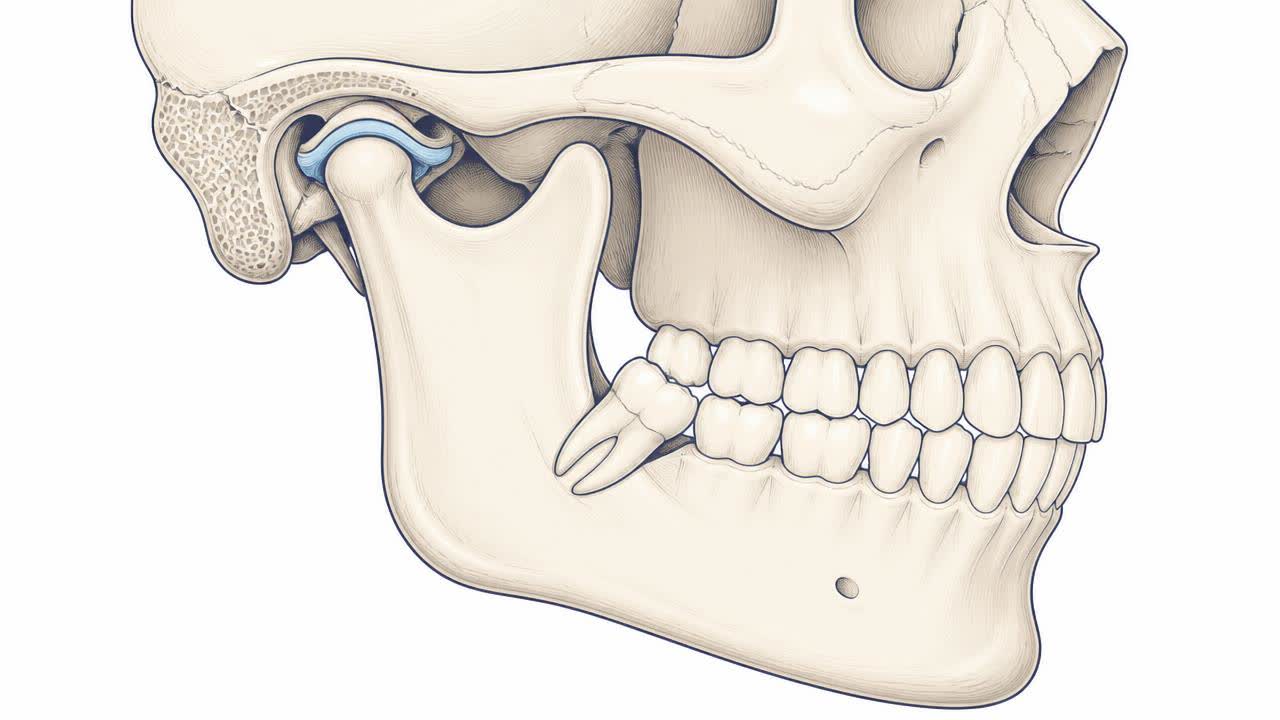
Numbness or altered sensation following dental surgery is typically due to temporary trauma to a nerve branch, often the trigeminal nerve, during the procedure. This is a rare complication that can occur during extractions, especially wisdom teeth, or during implant placement. The nerve, which is very close to the surgical site, may be bruised or stretched, leading to a temporary loss of sensation in the lip, chin, or tongue.
It is important to understand that this sensation is usually not a sign of permanent damage, but rather a temporary effect of the surgery. The nerve needs time to recover, and this process is naturally slow. Recognising the numbness and consulting your dental team early ensures that your condition is recorded, monitored, and managed with the appropriate care, which is vital for your peace of mind and long-term health.
What to Expect During Recovery
Recovery from post-surgical numbness is a journey that requires significant patience. The first sign of healing is often a tingling or 'pins and needles' feeling, which indicates that nerve fibres are beginning to reconnect and regenerate. This can be an uncomfortable feeling, but it is a positive sign. The numb area will then gradually decrease in size over several weeks or even months as the sensation slowly returns to normal.
We monitor your progress throughout this time, using simple sensory tests to track how your recovery is advancing. This helps us see the pattern of your healing and provides the reassurance you need to know that things are moving in the right direction. While the timeline can be different for every patient, understanding the stages of nerve regeneration helps you manage your expectations and feel more confident as you wait for full sensation to return.
Managing Your Daily Comfort
While waiting for sensation to return, it is essential to protect the numb area from accidental injury. Because you cannot feel your lip or tongue as clearly as usual, you are at a higher risk of accidentally biting them while eating or talking. We advise our patients to be very mindful during these activities, choosing softer foods until the sensation has returned, and taking care when drinking hot beverages to avoid accidental burns.
Maintaining oral hygiene is also critical during this time. Gently cleaning the area is important, even if you cannot feel it as well, to prevent plaque build-up and ensure that the tissues around the surgery site remain healthy. We provide all the guidance you need to adapt to these changes comfortably, ensuring you can go about your daily life safely and with confidence while your nerve naturally recovers.
A Commitment to Your Well-being
At Dr. Amit Sharma Super Speciality Dental Hospital, we take every step to prevent nerve complications during surgery. However, if they do occur, we are fully committed to your recovery. We provide expert, long-term monitoring and supportive care to ensure you achieve the best possible result, keeping your comfort and quality of life at the centre of everything we do.
If you are concerned about persistent numbness or any other sensations after your dental procedure, please contact us at 9314403502. We are here to evaluate your condition, provide the answers you need, and support you through every stage of your recovery. You can trust our hospital for compassionate, expert, and thorough care that puts your long-term health and wellness first, helping you recover comfortably and effectively.
When to Seek Professional Advice
If you experience numbness immediately following your surgery, you should contact our team so we can evaluate your condition and provide the necessary guidance. Persistent numbness that does not show any signs of change over time should also be reported. We are here to assess your situation, monitor the changes, and ensure you are receiving the right level of support throughout your recovery process.
We believe in transparency and open communication. Our team will explain the nature of your nerve recovery, what you should look for, and how we will support you. By working together, we ensure that you are fully informed and that your health is being carefully monitored, providing you with the peace of mind that comes from knowing you are in the hands of an experienced, dedicated, and professional dental team.
Questions patients ask us
- Is this numbness permanent?
- In the vast majority of cases, post-surgical numbness is temporary. Because nerves heal slowly, it can take weeks or months for full sensation to return. Your dentist will monitor your progress regularly to ensure your recovery is proceeding as expected and to provide you with the support you need throughout this time.
- Why do I feel a tingling sensation?
- Tingling is a very positive sign; it typically indicates that the nerve is regenerating and that sensation is starting to return to the area. While it may feel strange or uncomfortable, it is exactly what we look for as part of the healing process and is a good sign that your nerve recovery is underway.
- What should I be careful about?
- You must be very careful when eating and drinking, as your reduced sensation makes it easy to accidentally bite your lip or tongue, or burn your mouth with hot liquids. Choose softer foods for a few days and be mindful of your mouth movements until your feeling returns to normal.
- How can I tell if it is getting better?
- You will notice that the area of numbness gradually becomes smaller over time. We will use simple clinical tests during your follow-up appointments to track these changes, confirming that sensation is returning. Your awareness of these small changes is a great indicator that your recovery is progressing positively and naturally.
Sources and further reading
Guidance from professional and public health bodies. Clinical decisions here are made on your own examination and radiographs.
- 1.Clinical parameters of care and patient information — American Association of Oral and Maxillofacial Surgeons
- 2.Guidance on the extraction of wisdom teeth — NICE (UK)
- 3.Oral cancer — risk factors, early detection and prevention — World Health Organization
- 4.Policy statements and oral health definitions — FDI World Dental Federation
- 5.Dental health — conditions, treatments and patient guidance — NHS (UK)
- 6.Systematic reviews of oral and dental interventions — Cochrane Oral Health
- 7.Regulatory framework and dental education standards in India — Dental Council of India
When to see us
Get examined without waiting if any of the following applies to you:
- Swelling that spreads, restricts mouth opening or affects swallowing or breathing
- Numbness, altered sensation, or bleeding that will not stop after surgery
- Jaw locking, an ulcer or lump lasting more than two weeks, or a white or red patch that does not heal
Get a written plan and cost before you commit
If this is what you are dealing with, the next step is a consultation with radiographs — surgery & jaw cases are seen by the specialist who handles that field. You get a written plan and staged cost before anything begins.
reception@dramitsharmahospital.comThis article is general education and does not replace an in-person examination, radiographs or a diagnosis by a qualified dentist.
Clinical terms in this article
Related in Surgery & Jaw
Wisdom Tooth Problems: Symptoms, Impaction and When Removal Is Needed
Why wisdom teeth cause pain and swelling, what impaction means, and how to decide between monitoring and surgical removal.
Wisdom Teeth and Impactions
When third molars need removal, what impaction means, and what recovery realistically looks like.
Jaw Surgery, TMJ Disorders and Facial Trauma
Corrective jaw surgery, temporomandibular joint pain and management of facial injuries by a maxillofacial team.
Laser Periodontal Therapy Procedure Benefits and Recovery
Laser periodontal therapy, including the LANAP protocol, uses targeted wavelength lasers to treat moderate-to-severe periodontitis. This guide covers biological mechanisms, procedural stages, recovery guidelines, evidence-based outcomes, and long-term periodontal maintenance strategies.
Connective Tissue Graft Surgery for Receding Gums
Connective tissue gum graft surgery repairs severe gingival recession by transplanting donor tissue beneath receded gums. This evidence-based guide explains surgical techniques, anatomical principles, recovery timelines, clinical classifications, risks, and postoperative maintenance for optimal root coverage.
Free Gingival Graft Procedure to Thicken Gums
A free gingival graft is a proven periodontal surgical procedure designed to augment thin or deficient attached gum tissue. This comprehensive guide covers anatomical indications, surgical steps, donor and recipient healing phases, complications, and evidence-based post-operative recovery protocols.