At a glance
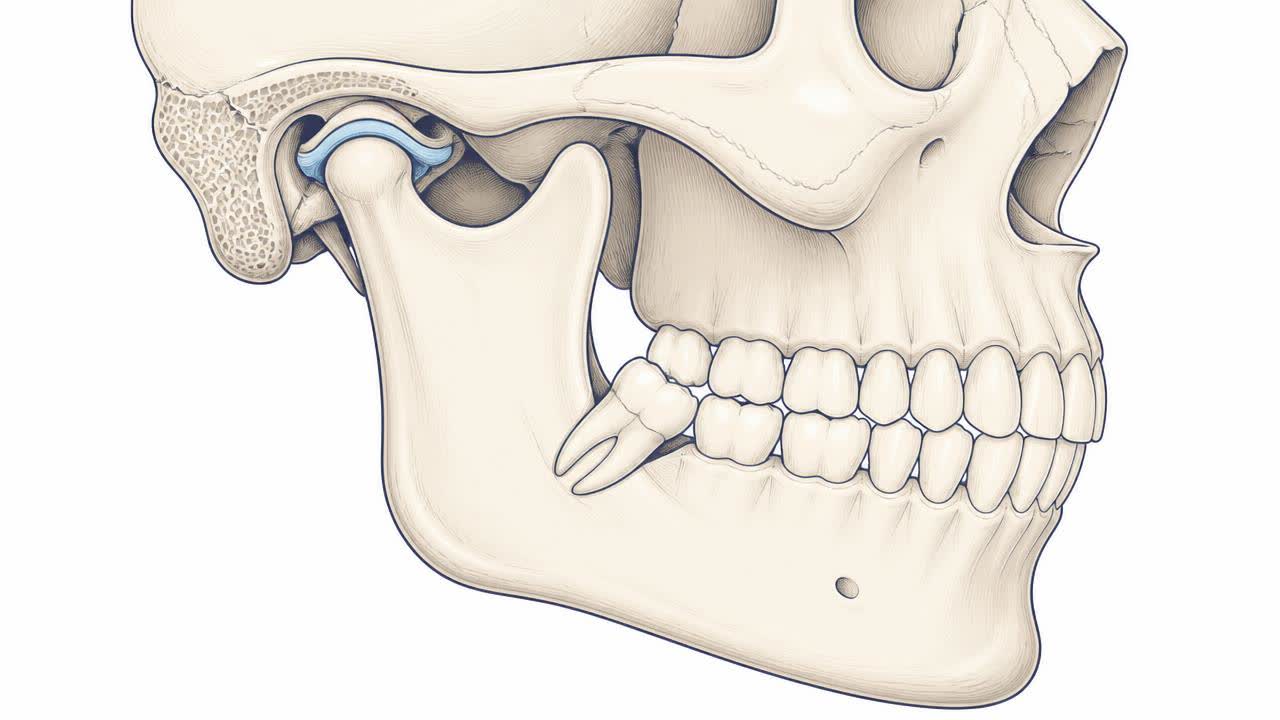
- A mandible fracture, or a broken lower jaw, is a serious injury that requires immediate professional evaluation.
- The treatment for a mandible fracture usually involves surgical stabilisation to hold the broken bone segments in their correct, natural position while they knit back together.
- After the surgery, your recovery is crucial to the success of the repair.
- The ultimate goal of mandible fracture treatment is to restore your full range of jaw function, including the ability to chew, speak, and swallow comfortably.
- Once the mandible has healed, it is important to maintain good oral hygiene and continue with your regular dental check-ups.
Recognising a Mandible Fracture
A mandible fracture, or a broken lower jaw, is a serious injury that requires immediate professional evaluation. Common signs include pain, swelling, difficulty opening or closing your mouth, numbness in your lower lip, or a misaligned bite where your teeth do not fit together as they did before. If you suspect your jaw is broken, it is essential to seek medical help as quickly as possible.
At Dr. Amit Sharma Super Speciality Dental Hospital in Jaipur, we specialise in the prompt and effective management of mandible fractures. Our experienced team uses advanced imaging and diagnostic tools to pinpoint the fracture's location and severity. By acting quickly, we can prevent complications and ensure that your jaw is set correctly, allowing for the best possible functional recovery of your lower face.
Expert Surgical Stabilisation
The treatment for a mandible fracture usually involves surgical stabilisation to hold the broken bone segments in their correct, natural position while they knit back together. We use modern internal fixation techniques, which involve placing small titanium plates and screws across the fracture site. This provides strong, stable support that allows the bone to heal effectively without the need for jaws to be wired together.
Our surgical approach is designed to be as minimally invasive as possible, often accessing the fracture from inside the mouth to avoid visible scars on your face. We prioritise precision in realigning the bone to restore your original bite perfectly. By using high-quality materials and our clinical expertise, we aim to provide a stable, long-lasting repair that allows you to regain your oral function as soon as possible.
Functional Restoration
The ultimate goal of mandible fracture treatment is to restore your full range of jaw function, including the ability to chew, speak, and swallow comfortably. By correctly realigning the bones and allowing them to heal, we aim to return your bite to its pre-injury state. Most patients experience significant improvements in function as the healing progresses and they begin to gradually return to their normal daily activities.
If you have any questions or concerns during your recovery, please reach out to our team. We are dedicated to providing compassionate, patient-centred care for all jaw injuries. For further information or to schedule an appointment with our specialist surgical team in Jaipur, please contact Dr. Amit Sharma Super Speciality Dental Hospital on 9314403502. We are here to help you get back to your best.
Long-Term Oral Health
Once the mandible has healed, it is important to maintain good oral hygiene and continue with your regular dental check-ups. A well-healed jaw provides a stable foundation for your teeth, supporting your long-term oral health and bite stability. We work with you to ensure your post-fracture jaw health is maintained and that any dental issues arising from the injury are addressed effectively over time.
We take pride in our role in restoring your quality of life after a jaw injury. Whether the fracture was simple or complex, our goal is the same: to return your jaw to full, pain-free function. Trust in our expertise and our commitment to your care as you navigate your recovery. Your health, function, and comfort are our primary focus here in Jaipur.
Post-Operative Care and Healing
After the surgery, your recovery is crucial to the success of the repair. We provide detailed post-operative instructions to help manage your comfort, including guidelines on pain relief and swelling reduction. You will need to adhere to a specific diet, typically starting with liquids and gradually transitioning to soft foods, to prevent undue stress on the healing jaw bones during the initial weeks of your recovery.
Regular follow-up appointments at our hospital are essential. We monitor the healing process, ensure the fixation hardware is stable, and assess your jaw's alignment and movement. These visits are also a time for you to ask questions about your recovery. We are committed to supporting you through the healing period, ensuring you have the care and guidance you need for a successful and complete restoration.
Questions patients ask us
- What causes a mandible fracture?
- Mandible fractures are typically caused by trauma, such as falls, sports injuries, or motor vehicle accidents. They can also occur due to other impacts to the lower face. Regardless of the cause, it is essential to have any potential fracture evaluated by a specialist promptly.
- Will my jaws be wired shut?
- In the past, wiring the jaws together was common, but modern surgical techniques using rigid internal fixation with titanium plates and screws have largely eliminated this necessity. You can generally keep your mouth mobile, which aids in comfort and faster functional recovery during your healing period.
- How long until I can chew normally?
- You will typically start with a soft diet for several weeks to allow the bone to heal. We will guide you on the gradual progression back to a normal diet based on your recovery progress and healing checks. Most patients return to normal eating within a few months.
- Can I have permanent nerve damage?
- While some patients may experience temporary numbness in the lower lip due to the injury or surgery, this usually resolves over time as the nerves heal. We monitor this carefully throughout your recovery and provide appropriate support to help manage and resolve any post-operative symptoms.
Sources and further reading
Guidance from professional and public health bodies. Clinical decisions here are made on your own examination and radiographs.
- 1.Clinical parameters of care and patient information — American Association of Oral and Maxillofacial Surgeons
- 2.Guidance on the extraction of wisdom teeth — NICE (UK)
- 3.Oral cancer — risk factors, early detection and prevention — World Health Organization
- 4.Policy statements and oral health definitions — FDI World Dental Federation
- 5.Dental health — conditions, treatments and patient guidance — NHS (UK)
- 6.Systematic reviews of oral and dental interventions — Cochrane Oral Health
- 7.Regulatory framework and dental education standards in India — Dental Council of India
When to see us
Get examined without waiting if any of the following applies to you:
- Swelling that spreads, restricts mouth opening or affects swallowing or breathing
- Numbness, altered sensation, or bleeding that will not stop after surgery
- Jaw locking, an ulcer or lump lasting more than two weeks, or a white or red patch that does not heal
Get a written plan and cost before you commit
If this is what you are dealing with, the next step is a consultation with radiographs — surgery & jaw cases are seen by the specialist who handles that field. You get a written plan and staged cost before anything begins.
reception@dramitsharmahospital.comThis article is general education and does not replace an in-person examination, radiographs or a diagnosis by a qualified dentist.
Clinical terms in this article
Related in Surgery & Jaw
Wisdom Tooth Problems: Symptoms, Impaction and When Removal Is Needed
Why wisdom teeth cause pain and swelling, what impaction means, and how to decide between monitoring and surgical removal.
Wisdom Teeth and Impactions
When third molars need removal, what impaction means, and what recovery realistically looks like.
Jaw Surgery, TMJ Disorders and Facial Trauma
Corrective jaw surgery, temporomandibular joint pain and management of facial injuries by a maxillofacial team.
Laser Periodontal Therapy Procedure Benefits and Recovery
Laser periodontal therapy, including the LANAP protocol, uses targeted wavelength lasers to treat moderate-to-severe periodontitis. This guide covers biological mechanisms, procedural stages, recovery guidelines, evidence-based outcomes, and long-term periodontal maintenance strategies.
Connective Tissue Graft Surgery for Receding Gums
Connective tissue gum graft surgery repairs severe gingival recession by transplanting donor tissue beneath receded gums. This evidence-based guide explains surgical techniques, anatomical principles, recovery timelines, clinical classifications, risks, and postoperative maintenance for optimal root coverage.
Free Gingival Graft Procedure to Thicken Gums
A free gingival graft is a proven periodontal surgical procedure designed to augment thin or deficient attached gum tissue. This comprehensive guide covers anatomical indications, surgical steps, donor and recipient healing phases, complications, and evidence-based post-operative recovery protocols.