At a glance
- The longevity of any dental restoration depends on several factors, including the material used, the quality of the initial placement, your bite force, and most importantly, your daily oral hygiene routine.
- Dental implants have an incredibly high success rate and are known for their exceptional longevity.
- A dental bridge is a reliable and proven restoration, but it generally has a shorter lifespan than an implant.
- When you are choosing between an implant and a bridge, think about your long-term goals for your dental health.
- Our team at Dr.
Making an Informed, Long-term Choice
When you are choosing between an implant and a bridge, think about your long-term goals for your dental health. If you are looking for the most permanent, durable solution that avoids relying on your other teeth, an implant is typically the superior choice. If your situation makes a bridge a more suitable, faster, or cost-effective solution, it is still a great, well-proven option.
We help you weigh these options by considering your individual dental history and future needs. Our goal is to provide a restoration that fits your life and offers the best possible long-term value. We aren't just looking at the next few years; we are looking at the next few decades of your life, ensuring you have a strong, reliable, and comfortable smile that lasts.
Professional Care and Long-term Success
Our team at Dr. Amit Sharma Super Speciality Dental Hospital is dedicated to the long-term success of every restoration. We monitor your health at every visit, ensuring that your implants or bridge continue to serve you well. We are here to support your hygiene efforts and intervene if anything needs attention, giving you the best possible peace of mind that your investment is in good hands.
If you have questions about which option is better for your longevity, please contact our helpline on 9314403502. We are here to provide clear, professional, and evidence-based guidance to help you choose the best restoration for your future health. Our focus is on your success, providing high-quality care that gives you back your smile, your function, and your comfort in Jaipur for many, many years.
The Factors Affecting Longevity
The longevity of any dental restoration depends on several factors, including the material used, the quality of the initial placement, your bite force, and most importantly, your daily oral hygiene routine. Whether you choose a dental bridge or an implant, these restorations are designed to be durable, but they are not immune to the effects of time, wear, and the health of the supporting tissues in your mouth.
At Dr. Amit Sharma Super Speciality Dental Hospital, we believe in providing high-quality care that stands the test of time. We use premium, clinically-proven materials and follow precise protocols, but we also emphasise that the most successful outcome depends on the partnership between our clinical expertise and your commitment to caring for your new smile in the long term.
Longevity of Dental Implants
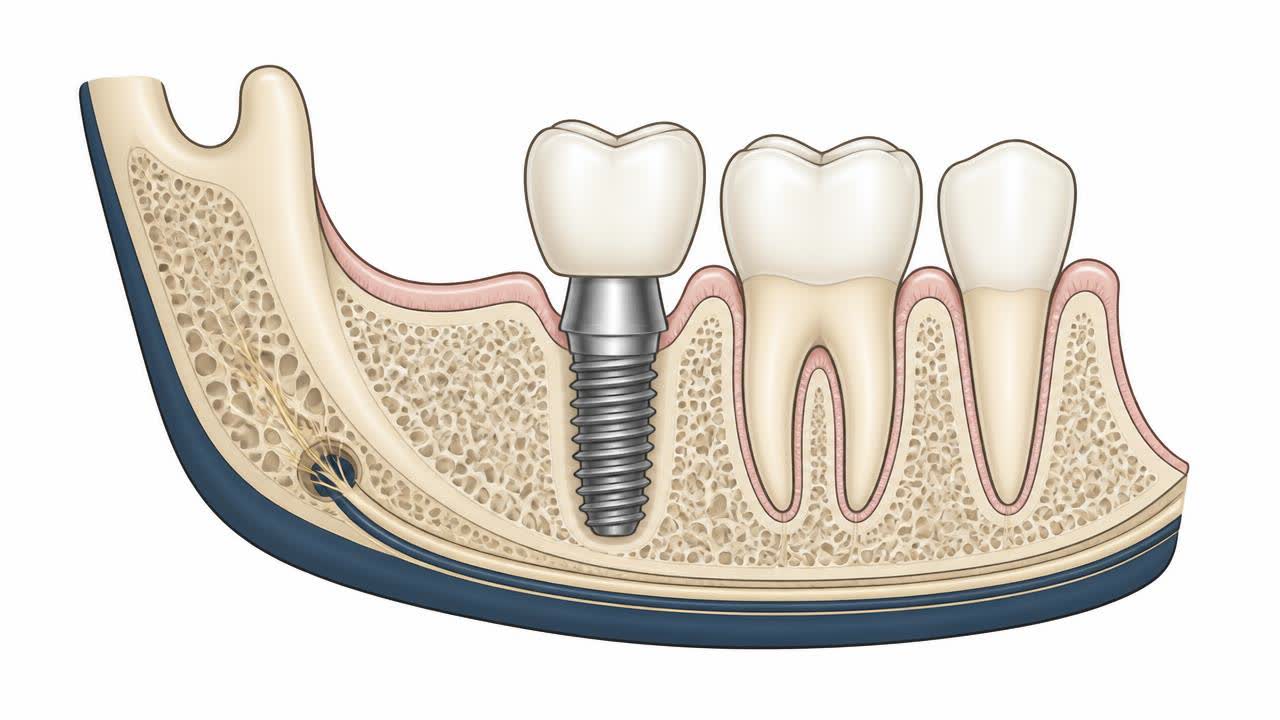
Dental implants have an incredibly high success rate and are known for their exceptional longevity. When correctly planned, placed, and maintained, they can often last a lifetime. They are not subject to decay, which is a major advantage. The success of an implant is based on osseointegration—the fusion of the titanium post with the jawbone—which creates a very stable and permanent foundation that is highly resistant to failure.
Of course, while the implant itself may be permanent, the crown or bridge that it supports may eventually need to be replaced after many years, similar to how a crown on a natural tooth might wear down. Regular professional check-ups at our clinic ensure that we monitor the integrity of your implant and the crown, allowing us to perform any necessary maintenance to extend their life as long as possible.
Longevity of Dental Bridges
A dental bridge is a reliable and proven restoration, but it generally has a shorter lifespan than an implant. On average, a bridge may last for 10 to 15 years, though this varies greatly depending on the health of the supporting teeth. Because the bridge relies on these neighbouring teeth, if one of them develops decay, a root canal issue, or gum disease, the entire bridge may need to be replaced.
The longevity of your bridge is essentially the longevity of the supporting teeth. This is why we only recommend bridges when the supporting teeth are already healthy and capable, or when they require crowns anyway. We provide detailed advice on how to look after your bridge to ensure it serves you for as long as possible, but we are also honest about the potential for future replacement compared to implants.
Questions patients ask us
- Do dental implants last longer than bridges?
- Yes, generally dental implants have a longer expected lifespan than bridges. With excellent care, they can last a lifetime. Bridges typically have a lifespan of 10 to 15 years, as their longevity is dependent on the health of the supporting natural teeth.
- Why might a bridge need to be replaced?
- A bridge may need to be replaced if the teeth supporting it develop decay, gum disease, or other structural issues. Because the bridge is a connected unit, any problem with one of the supporting teeth can compromise the entire restoration, requiring it to be removed and redone.
- Does my hygiene affect how long my restorations last?
- Your hygiene routine is the most critical factor for the longevity of both implants and bridges. Plaque accumulation can lead to gum infections around implants or decay on the teeth supporting your bridge. Consistent daily cleaning and regular professional check-ups are essential to ensure your restorations last.
- Can my implant fail?
- While implant failure is rare, it can occur, usually due to severe gum infection (peri-implantitis) or poor bone health. We carefully screen all candidates for implant suitability and provide ongoing care to monitor your implant health, ensuring any potential issues are addressed early and preventing failure.
Sources and further reading
Guidance from professional and public health bodies. Clinical decisions here are made on your own examination and radiographs.
- 1.ITI Treatment Guide series and consensus statements — International Team for Implantology (ITI)
- 2.Consensus reports on implant dentistry — European Association for Osseointegration
- 3.Prosthodontic and edentulous-care patient guidance — American College of Prosthodontists
- 4.Oral health — fact sheet and global status report — World Health Organization
- 5.Policy statements and oral health definitions — FDI World Dental Federation
- 6.Dental health — conditions, treatments and patient guidance — NHS (UK)
- 7.Systematic reviews of oral and dental interventions — Cochrane Oral Health
- 8.Regulatory framework and dental education standards in India — Dental Council of India
When to see us
Get examined without waiting if any of the following applies to you:
- Pain, looseness or pus around an implant or a fixed bridge
- A crown, bridge or denture that has fractured or come away
- Gum swelling that keeps returning around the same restoration
Get a written plan and cost before you commit
If this is what you are dealing with, the next step is a consultation with radiographs — implants & missing teeth cases are seen by the specialist who handles that field. You get a written plan and staged cost before anything begins.
reception@dramitsharmahospital.comThis article is general education and does not replace an in-person examination, radiographs or a diagnosis by a qualified dentist.
Clinical terms in this article
Related in Implants & Missing Teeth
Missing Teeth: Comparing Dentures, Bridges and Implant Options
What happens if a missing tooth is left unreplaced, and how dentures, bridges and implants compare on comfort, longevity and bone health.
Dental Implants: A Complete Guide
How titanium implants replace missing teeth, who qualifies, the step-by-step timeline and how long they last.
Full Mouth Rehabilitation
Rebuilding a worn, collapsed or heavily damaged dentition with a sequenced, whole-mouth treatment plan.
Peri-Implant Mucositis Symptoms and Early Intervention
Peri-implant mucositis is a plaque-induced, reversible inflammatory lesion affecting the soft tissues surrounding a dental implant without bone loss. Prompt professional debridement, risk-factor modification, and meticulous biofilm control prevent progression to irreversible peri-implantitis.
Peri-Implantitis Symptoms Bone Loss and Implant Salvage
Peri-implantitis is an inflammatory condition causing progressive marginal bone loss around dental implants. Early detection, thorough decontamination, and advanced surgical salvage techniques can arrest bone destruction, resolve inflammation, and preserve implant stability.
Root Canal Retreatment vs Tooth Extraction and Implant
This clinical guide evaluates root canal retreatment versus tooth extraction and dental implant placement. Learn about biological tooth preservation, anatomical considerations, procedural steps, longevity, recovery expectations, and diagnostic criteria to make an informed oral healthcare decision.