At a glance
- Osteomyelitis of the jaw is a serious bone infection that can lead to significant discomfort and potential loss of bone tissue if not treated immediately.
- Diagnosing osteomyelitis involves a detailed clinical exam and advanced imaging to evaluate the extent of the infection within the bone.
- Treating osteomyelitis typically requires a multi-faceted approach.
- Recovery from osteomyelitis is a gradual process that demands patience and commitment.
- Osteomyelitis is a severe condition that requires the expertise of specialists.
Understanding Jaw Osteomyelitis
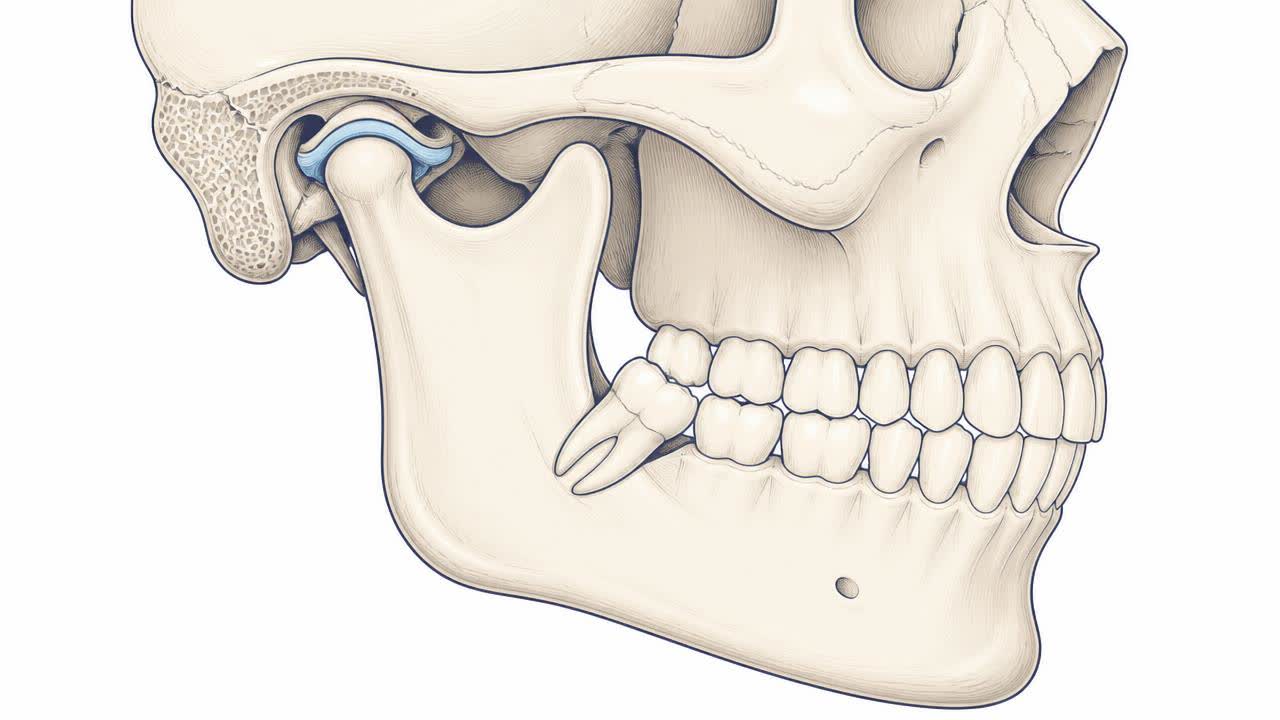
Osteomyelitis of the jaw is a serious bone infection that can lead to significant discomfort and potential loss of bone tissue if not treated immediately. It often arises as a complication of dental infections, such as tooth abscesses, or following trauma or oral surgery. The infection spreads into the marrow space of the bone, creating a difficult environment that is challenging for the immune system to clear without targeted, professional intervention.
Recognising the symptoms early is critical for a positive outcome. Patients might experience deep, persistent pain in the jaw, fever, swelling in the face or gums, or even loosening of the teeth. Because the infection is located within the bone, it does not typically respond to simple surface treatments. A thorough evaluation by a dental surgeon is essential to confirm the diagnosis and initiate the necessary medical and surgical care immediately.
Diagnosis and Clinical Assessment
Diagnosing osteomyelitis involves a detailed clinical exam and advanced imaging to evaluate the extent of the infection within the bone. We often use X-rays, CT scans, or MRI technology to visualise the bone marrow and identify areas of inflammation or damage. This imaging is key to understanding how far the infection has spread, which is essential for planning the most effective surgical and medical treatment.
The clinical team may also take a sample of the infected bone for analysis, which helps us identify the specific bacteria responsible and choose the most effective antibiotics. This precise, evidence-based approach is crucial, as jaw infections can be complex and require a well-coordinated plan to ensure the infection is completely eradicated, the bone is given the best chance to heal, and the patient returns to full health.
Comprehensive Treatment Approaches
Treating osteomyelitis typically requires a multi-faceted approach. High-dose antibiotics, often administered intravenously for a period, are essential to combat the infection within the bone marrow. In many cases, surgical intervention is also necessary to remove any necrotic or dead bone tissue and clear out the infected area. This surgery is performed with the utmost precision to preserve healthy tissue while ensuring that the site is clean and ready to heal.
Follow-up is just as important as the initial treatment. We monitor the patient closely, sometimes for several months, to ensure that the infection has not returned and that the bone is regenerating properly. This careful, long-term management ensures that the patient’s jaw health is restored and maintained, preventing further complications. Our dedicated team is fully equipped to provide this level of comprehensive, expert surgical and medical care, ensuring the best possible outcome for our patients.
Commitment to Expert Care
Osteomyelitis is a severe condition that requires the expertise of specialists. At Dr. Amit Sharma Super Speciality Dental Hospital, we have the advanced surgical experience and hospital facilities needed to provide world-class care for jaw infections. We understand the seriousness of this condition and are committed to delivering swift, effective, and compassionate treatment that protects your health and restores your jaw function fully.
If you have concerns about persistent, deep pain in your jaw or other symptoms of infection, please contact our helpline immediately at 9314403502. Our team is here to provide the urgent, expert assessment you need. Early diagnosis and intervention are the best tools we have for fighting bone infections, and you can trust us to provide the comprehensive, high-quality care necessary to ensure a healthy and safe outcome for your jaw.
Recovery and Bone Healing
Recovery from osteomyelitis is a gradual process that demands patience and commitment. While the acute infection is managed through antibiotics and surgery, the bone needs significant time to rebuild and regain its structural integrity. During this phase, we support the patient with ongoing check-ups, nutritional guidance, and regular imaging to verify that the healing process is progressing positively and that the bone is regaining its strength.
Patients are also advised on maintaining excellent oral hygiene to prevent any secondary infections that could jeopardise the healing bone. We provide clear, structured guidance for every stage of recovery, helping the patient understand what to expect and how to care for their jaw during this critical time. By working together, we ensure that the patient stays on the path to full recovery, successfully overcoming the infection and restoring their long-term health.
Questions patients ask us
- How does a tooth infection spread to the bone?
- A severe or untreated tooth infection can spread from the tooth itself into the surrounding jawbone. If the infection reaches the bone marrow, it can develop into osteomyelitis. This is why it is so important to address any dental abscess or persistent pain as soon as it appears to prevent these more serious complications.
- Is osteomyelitis a life-threatening condition?
- Osteomyelitis is a serious, deep-seated infection that requires prompt and effective medical attention. If left untreated, the infection can spread or lead to permanent damage to the bone. With timely surgical and antibiotic treatment from a specialist, the infection can be successfully managed and the risks to your overall health can be effectively minimised.
- Will I need surgery for the infection?
- Often, surgery is necessary to remove damaged or necrotic bone tissue that is harbouring the infection. This procedure is performed by an oral surgeon to ensure that the area is clean and that healthy bone is preserved, which is crucial for the success of the antibiotic therapy and for achieving long-term healing.
- How long does recovery take?
- Recovery from osteomyelitis is a significant process that involves both medical and surgical components, and healing the bone can take several weeks or even months. Your specialist will monitor your progress closely with regular check-ups and imaging to ensure the infection is gone and that your bone is successfully regenerating and regaining its strength.
Sources and further reading
Guidance from professional and public health bodies. Clinical decisions here are made on your own examination and radiographs.
- 1.Clinical parameters of care and patient information — American Association of Oral and Maxillofacial Surgeons
- 2.Guidance on the extraction of wisdom teeth — NICE (UK)
- 3.Oral cancer — risk factors, early detection and prevention — World Health Organization
- 4.Policy statements and oral health definitions — FDI World Dental Federation
- 5.Dental health — conditions, treatments and patient guidance — NHS (UK)
- 6.Systematic reviews of oral and dental interventions — Cochrane Oral Health
- 7.Regulatory framework and dental education standards in India — Dental Council of India
When to see us
Get examined without waiting if any of the following applies to you:
- Swelling that spreads, restricts mouth opening or affects swallowing or breathing
- Numbness, altered sensation, or bleeding that will not stop after surgery
- Jaw locking, an ulcer or lump lasting more than two weeks, or a white or red patch that does not heal
Get a written plan and cost before you commit
If this is what you are dealing with, the next step is a consultation with radiographs — surgery & jaw cases are seen by the specialist who handles that field. You get a written plan and staged cost before anything begins.
reception@dramitsharmahospital.comThis article is general education and does not replace an in-person examination, radiographs or a diagnosis by a qualified dentist.
Clinical terms in this article
Related in Surgery & Jaw
Wisdom Tooth Problems: Symptoms, Impaction and When Removal Is Needed
Why wisdom teeth cause pain and swelling, what impaction means, and how to decide between monitoring and surgical removal.
Wisdom Teeth and Impactions
When third molars need removal, what impaction means, and what recovery realistically looks like.
Jaw Surgery, TMJ Disorders and Facial Trauma
Corrective jaw surgery, temporomandibular joint pain and management of facial injuries by a maxillofacial team.
Laser Periodontal Therapy Procedure Benefits and Recovery
Laser periodontal therapy, including the LANAP protocol, uses targeted wavelength lasers to treat moderate-to-severe periodontitis. This guide covers biological mechanisms, procedural stages, recovery guidelines, evidence-based outcomes, and long-term periodontal maintenance strategies.
Connective Tissue Graft Surgery for Receding Gums
Connective tissue gum graft surgery repairs severe gingival recession by transplanting donor tissue beneath receded gums. This evidence-based guide explains surgical techniques, anatomical principles, recovery timelines, clinical classifications, risks, and postoperative maintenance for optimal root coverage.
Free Gingival Graft Procedure to Thicken Gums
A free gingival graft is a proven periodontal surgical procedure designed to augment thin or deficient attached gum tissue. This comprehensive guide covers anatomical indications, surgical steps, donor and recipient healing phases, complications, and evidence-based post-operative recovery protocols.