At a glance
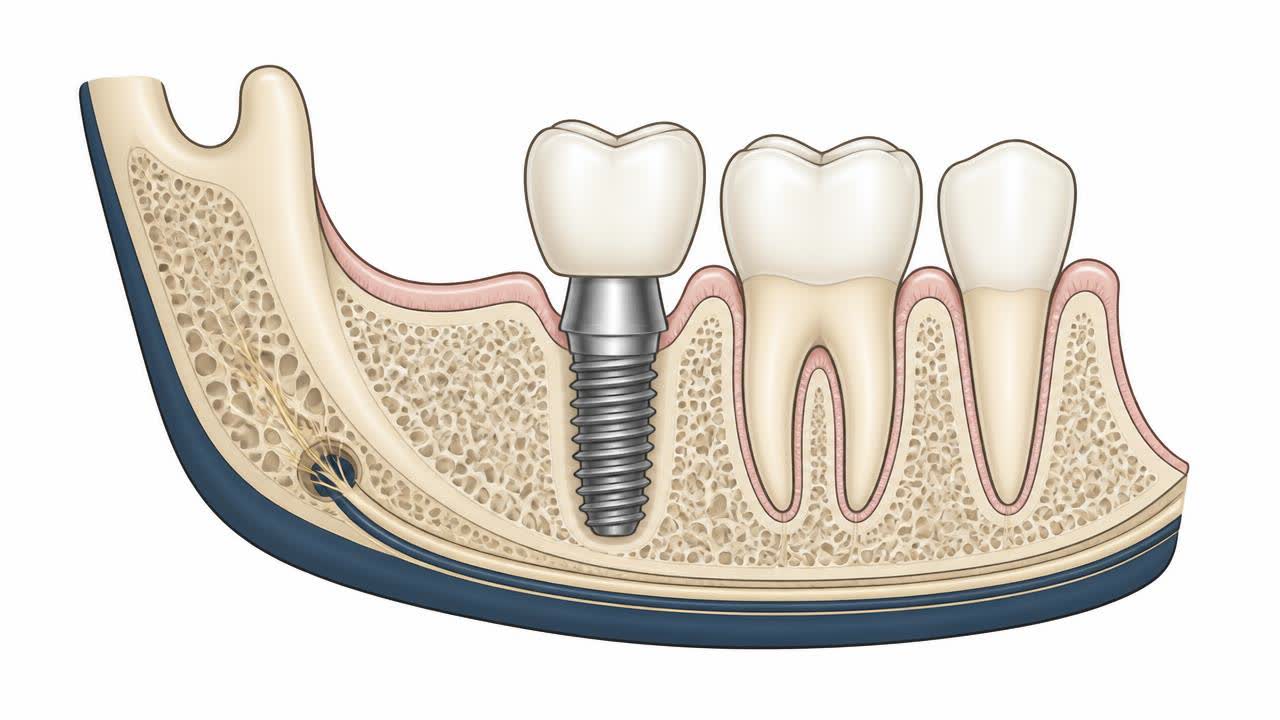
- An implant overdenture is a sophisticated dental restoration that connects a removable denture to dental implants placed in your jawbone.
- The process for receiving an implant overdenture begins with a detailed assessment of your oral health and bone density at our Malviya Nagar facility.
- The primary benefit of an implant overdenture is the dramatic improvement in stability compared to traditional dentures.
- Maintaining an implant overdenture requires a commitment to a diligent cleaning routine.
- Regular professional dental visits are critical for the long-term success of your implant overdentures.
The Advantage of Implant Support
An implant overdenture is a sophisticated dental restoration that connects a removable denture to dental implants placed in your jawbone. Unlike traditional dentures, which rely solely on suction or adhesives, implant overdentures 'snap' onto these implants, providing significantly increased stability and comfort. This design prevents the slipping and movement that can often occur with conventional, non-supported appliances while you are eating or speaking during your busy day.
By utilizing the strength of dental implants, this treatment helps to preserve your underlying jawbone health. The implants stimulate the bone, preventing the natural bone loss that typically follows tooth extraction. This preserves your facial structure and ensures that your supporting tissues remain healthy and strong for many years. It is an excellent middle-ground option for those seeking greater security than a traditional denture can offer.
The Treatment Journey
The process for receiving an implant overdenture begins with a detailed assessment of your oral health and bone density at our Malviya Nagar facility. We use advanced diagnostic tools to plan the precise placement of the implants for maximum support. Once the implants are surgically placed, a healing period is required, during which they integrate securely with your jawbone, forming a solid foundation for your new restoration.
During this healing phase, you may be provided with a temporary denture to maintain your appearance and function. After the implants have successfully integrated, we will create your custom-made overdenture, which will be carefully attached to the implants using specialized connectors. This multi-step process ensures a precise, high-quality result that is perfectly tailored to your oral anatomy, providing a durable and comfortable solution for your missing teeth.
Enhanced Stability and Comfort
The primary benefit of an implant overdenture is the dramatic improvement in stability compared to traditional dentures. Because the appliance is anchored to your implants, you can bite into firmer foods with confidence, knowing that your teeth will not dislodge or slide. This enhanced stability significantly improves your chewing efficiency, allowing you to enjoy a wider variety of healthy, nutritious foods without hesitation or worry about your denture slipping.
Beyond eating, you will likely notice a significant increase in your comfort when speaking and laughing in social settings. Because the overdenture is securely held in place, you can speak more naturally and clearly, feeling confident that your smile is secure. Many patients report that this increased sense of security is life-changing, as they are finally able to leave behind the concerns that often accompany living with traditional removable, non-supported dentures.
Regular Professional Monitoring
Regular professional dental visits are critical for the long-term success of your implant overdentures. We need to regularly inspect the condition of your implants, the stability of the attachments, and the overall health of your gum tissues to ensure everything remains in top condition. These visits allow us to perform necessary cleanings and adjustments that are difficult to manage on your own at home.
If you ever feel that the fit of your overdenture has changed, or if you notice any tenderness around the implants, contact our Malviya Nagar office immediately. We are committed to supporting you in maintaining a healthy, comfortable, and stable smile for many years. With our expert guidance and your dedication to home care, you can enjoy the many benefits of implant-supported dentistry for a long time.
Care and Hygiene Requirements
Maintaining an implant overdenture requires a commitment to a diligent cleaning routine. Because the implants are exposed when the denture is removed, it is vital to keep the area around the abutments or attachments clean to prevent infection. Use a soft-bristled brush to gently clean around each implant and the supporting attachments every single night, ensuring that no plaque builds up around these crucial components.
The denture itself must also be removed and cleaned thoroughly with an appropriate, non-abrasive cleanser. We will show you exactly how to clean around your implants and how to manage the attachment system properly during your follow-up appointments. By following these essential hygiene steps, you will protect your implants and ensure that your overdenture remains a clean, functional, and long-lasting part of your daily life.
Questions patients ask us
- How does this differ from a traditional denture?
- A traditional denture rests only on your gums and relies on suction or adhesive. An implant overdenture is physically snapped onto dental implants, providing superior retention, stability, and chewing power. It also helps preserve your jawbone, preventing the long-term bone resorption often associated with traditional, non-implant-supported, removable dentures.
- Is the surgery for implants painful?
- The surgical procedure for placing dental implants is performed under local anesthesia, ensuring you remain comfortable. Most patients report that the recovery process is manageable with appropriate post-operative care and pain relief. We will provide all the necessary guidance and support to ensure your recovery is smooth and comfortable.
- Can I remove my overdenture at night?
- Yes, one of the primary benefits is that you can remove your overdenture to clean it. We strongly recommend removing it at night to allow your gums and the implant areas to rest, while also giving you the chance to perform a thorough cleaning of your dental appliance.
- How long do the implants themselves last?
- With excellent oral hygiene and regular professional care, dental implants are designed to last for a lifetime. The longevity of your implant overdenture restoration depends on your commitment to cleaning around the attachments and attending all your recommended check-ups at our hospital to monitor your oral health and appliance fit.
Sources and further reading
Guidance from professional and public health bodies. Clinical decisions here are made on your own examination and radiographs.
- 1.ITI Treatment Guide series and consensus statements — International Team for Implantology (ITI)
- 2.Consensus reports on implant dentistry — European Association for Osseointegration
- 3.Prosthodontic and edentulous-care patient guidance — American College of Prosthodontists
- 4.Oral health — fact sheet and global status report — World Health Organization
- 5.Policy statements and oral health definitions — FDI World Dental Federation
- 6.Dental health — conditions, treatments and patient guidance — NHS (UK)
- 7.Systematic reviews of oral and dental interventions — Cochrane Oral Health
- 8.Regulatory framework and dental education standards in India — Dental Council of India
When to see us
Get examined without waiting if any of the following applies to you:
- Pain, looseness or pus around an implant or a fixed bridge
- A crown, bridge or denture that has fractured or come away
- Gum swelling that keeps returning around the same restoration
Get a written plan and cost before you commit
If this is what you are dealing with, the next step is a consultation with radiographs — implants & missing teeth cases are seen by the specialist who handles that field. You get a written plan and staged cost before anything begins.
reception@dramitsharmahospital.comThis article is general education and does not replace an in-person examination, radiographs or a diagnosis by a qualified dentist.
Clinical terms in this article
Related in Implants & Missing Teeth
Missing Teeth: Comparing Dentures, Bridges and Implant Options
What happens if a missing tooth is left unreplaced, and how dentures, bridges and implants compare on comfort, longevity and bone health.
Dental Implants: A Complete Guide
How titanium implants replace missing teeth, who qualifies, the step-by-step timeline and how long they last.
Full Mouth Rehabilitation
Rebuilding a worn, collapsed or heavily damaged dentition with a sequenced, whole-mouth treatment plan.
Peri-Implant Mucositis Symptoms and Early Intervention
Peri-implant mucositis is a plaque-induced, reversible inflammatory lesion affecting the soft tissues surrounding a dental implant without bone loss. Prompt professional debridement, risk-factor modification, and meticulous biofilm control prevent progression to irreversible peri-implantitis.
Peri-Implantitis Symptoms Bone Loss and Implant Salvage
Peri-implantitis is an inflammatory condition causing progressive marginal bone loss around dental implants. Early detection, thorough decontamination, and advanced surgical salvage techniques can arrest bone destruction, resolve inflammation, and preserve implant stability.
Root Canal Retreatment vs Tooth Extraction and Implant
This clinical guide evaluates root canal retreatment versus tooth extraction and dental implant placement. Learn about biological tooth preservation, anatomical considerations, procedural steps, longevity, recovery expectations, and diagnostic criteria to make an informed oral healthcare decision.