At a glance
- Smoking is one of the most significant risk factors for periodontal disease.
- The success of periodontal therapy—whether it is deep cleaning, laser treatment, or surgery—is greatly reduced by smoking.
- Following any gum procedure, your body needs a strong immune system and healthy blood flow to repair the tissue.
- At our clinic, we are dedicated to helping you achieve and maintain the best possible oral health.
- Your smile is a significant investment, and protecting it requires a holistic approach.
How Smoking Affects Your Gums
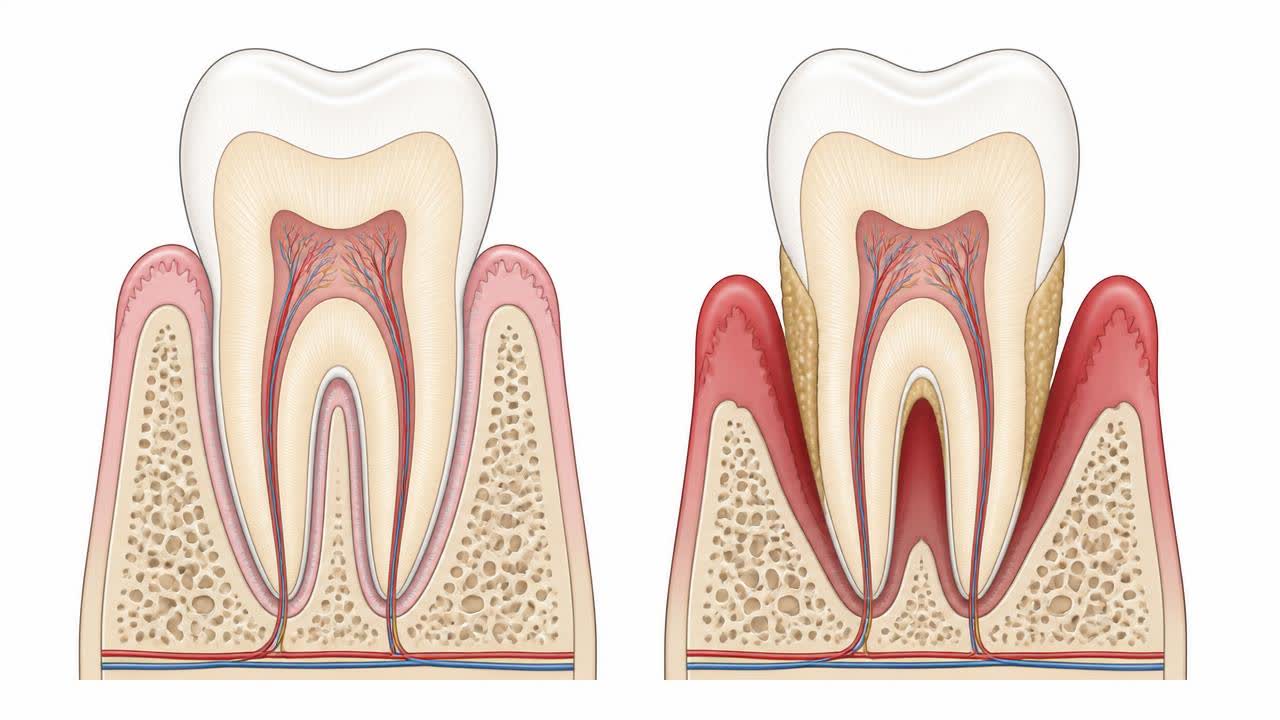
Smoking is one of the most significant risk factors for periodontal disease. It severely restricts blood flow to your gums, which deprives them of the essential oxygen and nutrients they need for healing. This process not only makes you more susceptible to gum infection but also significantly hampers your body's ability to repair tissue damage once it has started, leading to faster progression of disease.
At Dr. Amit Sharma Super Speciality Dental Hospital, we observe that patients who smoke often have deeper pockets, more significant bone loss, and less predictable healing results after gum treatment. Because your body's immune response is compromised, your gums cannot fight the infection as effectively. Understanding this link is a crucial step in taking control of your long-term gum health.
The Impact on Treatment Success
The success of periodontal therapy—whether it is deep cleaning, laser treatment, or surgery—is greatly reduced by smoking. Because the gums have poor blood circulation, they are less likely to reattach firmly to the tooth roots after treatment. This means your risk of disease recurrence remains much higher compared to non-smokers, even with the best professional care and consistent home hygiene.
We believe in transparency and honest communication about how your habits affect your treatment. We are here to help you understand the significant benefits that quitting, or even reducing, your smoking can have for your gum health. By reducing the impact of nicotine and other toxins in your body, you immediately improve your gums' ability to heal and respond to professional care.
A Team Approach to Health
At our clinic, we are dedicated to helping you achieve and maintain the best possible oral health. This means taking a comprehensive approach to your care. If you smoke, we will discuss the steps you can take to protect your gums and ensure your treatment is as effective as possible. Our goal is to partner with you to help you reach your dental health goals in a supportive, professional environment.
Remember that your oral health is intrinsically linked to your general well-being. By quitting smoking, you are not only helping your gums but also improving your entire body's ability to fight disease and stay healthy. We are here to support your journey and provide the expert, compassionate care you need to keep your teeth and gums healthy for years to come.
Investing in Your Long-Term Smile
Your smile is a significant investment, and protecting it requires a holistic approach. By acknowledging the impact of smoking on your gum health, you are taking a crucial, empowered step in the right direction. We are here to provide the clinical expertise, the supportive guidance, and the consistent monitoring you need to ensure your smile remains healthy and strong, regardless of the challenges you face.
If you are concerned about the state of your gums or want to know more about how your habits are impacting your dental health, please contact our team. We offer expert assessment and compassionate support, focusing on the most effective solutions for your specific situation. Call our helpline today to book your consultation and take the first step towards a healthier, brighter future.
Healing and Your Recovery
Following any gum procedure, your body needs a strong immune system and healthy blood flow to repair the tissue. Smoking slows down this healing process considerably, which can lead to longer recovery times, increased swelling, and a greater risk of post-operative complications. For your body to have the best chance of successfully healing, minimising the impact of smoke on your tissues is essential.
We offer guidance and resources to help you through the process of quitting. We understand that this is a significant challenge, and our team is committed to supporting you in every way possible. By making even small changes, you can make a meaningful difference to your recovery. Let us know how we can best support your goal of a healthier mouth and a healthier life.
Questions patients ask us
- Why do my gums heal more slowly if I smoke?
- Smoking constricts blood vessels, which significantly reduces the amount of blood flow—and therefore oxygen and nutrients—that reaches your gum tissues. This diminished blood supply makes it much harder for your body to fight infection and repair damaged tissue effectively after treatment.
- Will I still get good results if I keep smoking?
- While we provide the best treatment possible, your results may be less predictable. Smoking increases your risk of disease recurrence and slows down your healing process. Quitting, or even cutting back, significantly improves your body's ability to recover and maintain long-term gum health.
- Can you help me with smoking cessation?
- We are committed to your total oral health and will happily provide resources and support to help you quit. We understand that this is a difficult process and are dedicated to helping you succeed for the benefit of your long-term health and your gum health goals.
- Is vaping just as bad for my gums?
- Vaping still introduces nicotine and other chemicals that can negatively impact your gum health and slow down healing. While it is different from smoking cigarettes, it is still a risk factor for periodontal disease, and we recommend avoiding it for the sake of your oral and general health.
Sources and further reading
Guidance from professional and public health bodies. Clinical decisions here are made on your own examination and radiographs.
- 1.EFP clinical practice guidelines for periodontitis — European Federation of Periodontology
- 2.Classification of periodontal and peri-implant diseases — American Academy of Periodontology
- 3.Prevention and treatment of periodontal diseases in practice — Scottish Dental Clinical Effectiveness Programme
- 4.Oral health — fact sheet and global status report — World Health Organization
- 5.Policy statements and oral health definitions — FDI World Dental Federation
- 6.Dental health — conditions, treatments and patient guidance — NHS (UK)
- 7.Systematic reviews of oral and dental interventions — Cochrane Oral Health
- 8.Regulatory framework and dental education standards in India — Dental Council of India
When to see us
Get examined without waiting if any of the following applies to you:
- Gums that bleed without provocation, or bleeding that has become heavier
- Teeth that feel loose, are drifting, or gaps that are opening up
- Persistent bad breath or taste, gum abscesses, or pus on pressing the gum
Get a written plan and cost before you commit
If this is what you are dealing with, the next step is a consultation with radiographs — gums & prevention cases are seen by the specialist who handles that field. You get a written plan and staged cost before anything begins.
reception@dramitsharmahospital.comThis article is general education and does not replace an in-person examination, radiographs or a diagnosis by a qualified dentist.
Clinical terms in this article
Related in Gums & Prevention
Bleeding Gums and Gum Disease: A Complete Guide
What bleeding gums usually mean, how gingivitis progresses into periodontal disease, and the treatment path from scaling to gum surgery.
Gum Disease: Detection and Treatment
From reversible gingivitis to periodontitis, the warning signs, staged treatment and the link to overall health.
Preventive Dentistry and Home Care
The routine that prevents most dental disease: brushing technique, interdental cleaning, diet and recall visits.
Chronic Bad Breath Caused by Gum Infection
Chronic bad breath, or halitosis, is frequently driven by underlying gum disease. Subgingival bacteria produce volatile sulphur compounds within periodontal pockets. Effective resolution requires professional periodontal debridement, targeted biofilm disruption, and meticulous daily interdental hygiene rather than cosmetic masking.
Loose Permanent Teeth from Advanced Periodontal Disease
Loose teeth from advanced gum disease occur when severe chronic inflammation destroys the supporting alveolar bone and periodontal ligament. With timely periodontal therapy, splinting, and meticulous plaque control, many loose teeth can be stabilised and preserved without extraction.
Furcation Involvement and Bone Loss Between Roots
Furcation involvement describes bone loss between the roots of multi-rooted molars caused by advanced periodontal disease. This clinical guide explains its causes, diagnostic staging, surgical and non-surgical therapies, daily maintenance, and red flag symptoms requiring urgent care.