At a glance
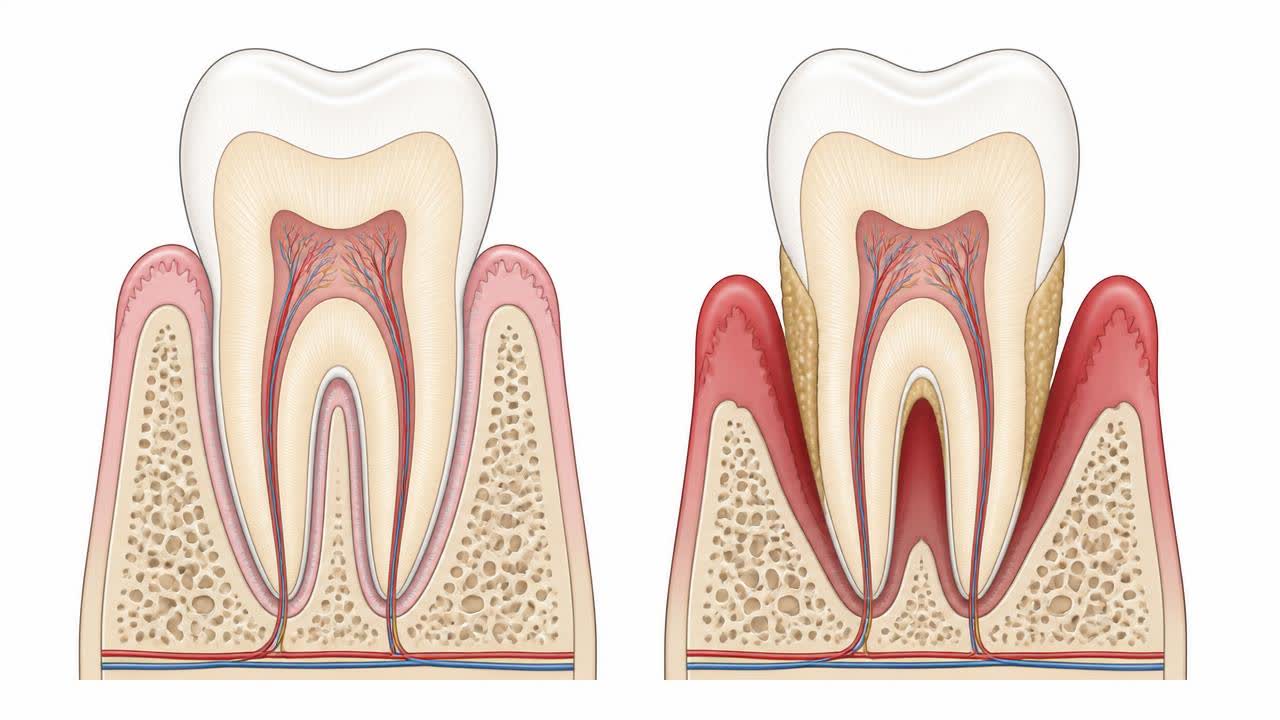
- Bacteria from infected gums can enter the bloodstream through inflamed tissues, potentially triggering inflammatory responses in the heart arteries.
- Chronic gum disease triggers an ongoing immune response that releases inflammatory markers throughout the body.
- Early signs of gum disease often include bleeding while brushing or flossing, persistent bad breath, or gums that appear swollen and red.
- Prevention is far more effective than treatment when it comes to maintaining both gum and heart health.
- If you have concerns regarding the state of your gums or your family history of heart disease, it is time to consult an expert.
Recognising the Warning Signs
Early signs of gum disease often include bleeding while brushing or flossing, persistent bad breath, or gums that appear swollen and red. Many patients ignore these symptoms, assuming they are harmless or will resolve on their own. However, in the context of heart health, these are critical warning signals that your body is dealing with an active, chronic infection that requires immediate professional dental assessment and intervention.
Do not delay in seeking care if you notice persistent gum irritation. Our team at Dr. Amit Sharma Super Speciality Dental Hospital, Jaipur, provides thorough periodontal screenings to identify issues early. Early detection allows for minimally invasive treatment options, which are highly effective at reversing gum damage and reducing the risk of systemic inflammation. Contact us today on 9314403502 to schedule a professional evaluation and protect your heart.
The Biological Link
Bacteria from infected gums can enter the bloodstream through inflamed tissues, potentially triggering inflammatory responses in the heart arteries. This systemic migration of oral pathogens, such as Porphyromonas gingivalis, is increasingly linked to the development of atherosclerosis and blood clots. Dr. Amit Sharma Super Speciality Dental Hospital emphasises that treating periodontal disease is not just about saving teeth but about reducing the overall inflammatory burden on your heart.
Research indicates that patients with severe periodontitis have a significantly higher risk of cardiovascular events compared to those with healthy gums. Chronic inflammation acts as a persistent stressor on your entire body, potentially damaging blood vessel linings. By maintaining regular dental hygiene and seeking prompt professional treatment for gum bleeding, you are effectively taking a proactive step to support your long-term heart health and general well-being.
Inflammation as a Catalyst
Chronic gum disease triggers an ongoing immune response that releases inflammatory markers throughout the body. When these markers circulate, they can exacerbate existing cardiovascular conditions or contribute to the narrowing of arteries. Understanding this connection is vital for patients with pre-existing heart conditions, as it underscores the importance of a comprehensive approach to health that includes dedicated oral care as a core preventative measure.
At Dr. Amit Sharma Super Speciality Dental Hospital, Jaipur, we view your gums as a window into your systemic health. By controlling bacterial load through professional cleaning and scaling, we help limit the number of pathogens entering your bloodstream. This holistic approach ensures that your mouth does not become a source of systemic inflammation, thereby supporting your heart health and helping you maintain a robust immune response.
Professional Dental Support
If you have concerns regarding the state of your gums or your family history of heart disease, it is time to consult an expert. Our specialists at Dr. Amit Sharma Super Speciality Dental Hospital are highly experienced in managing complex cases and providing care that is tailored to your systemic health needs. We work closely with you to create a manageable, effective plan for achieving optimal oral health.
Remember that your mouth is an integral part of your body. Ignoring oral health issues can lead to unintended consequences for your cardiovascular system. If you are ready to take control of your health, reach out to us at 9314403502. We are dedicated to providing compassionate, high-quality care that supports your path to a healthier heart and a confident, brighter smile for years to come.
Prevention and Maintenance
Prevention is far more effective than treatment when it comes to maintaining both gum and heart health. Consistent daily habits, including brushing twice a day with fluoride toothpaste and flossing once daily, form the foundation of your oral care routine. These simple actions significantly reduce plaque buildup, preventing the bacteria that cause gum inflammation from accumulating and entering your bloodstream. Consistent daily discipline is truly your best defence.
Regular professional dental cleanings at Dr. Amit Sharma Super Speciality Dental Hospital, Jaipur, are essential for removing hardened tartar that you cannot remove at home. These biannual visits allow our hygienists to monitor your gum health and provide personalised guidance on home care techniques. By investing in regular preventative care, you are protecting your gums from infection and safeguarding your cardiovascular system from potential long-term complications.
Questions patients ask us
- Can gum disease actually cause heart attacks?
- While gum disease does not directly cause heart attacks, the inflammation and bacteria associated with severe periodontitis are linked to increased cardiovascular risks. Bacteria entering the bloodstream can cause arterial inflammation, which may lead to blood clots or heart blockages in susceptible individuals.
- How often should I have my gums checked?
- For most adults, a professional check-up and cleaning every six months are sufficient. However, if you have a history of gum disease or heart issues, we recommend more frequent visits to ensure your gums remain healthy and infection-free. Call 9314403502 to consult our team.
- Will brushing my teeth harder help my gums?
- Absolutely not. Brushing too hard can damage your gums and wear down tooth enamel. Instead, use a soft-bristled toothbrush and gentle, circular motions. The goal is to remove plaque, not to scrub away your gum tissue. Consistent, gentle care is the most effective approach.
- What should I do if my gums bleed often?
- Bleeding gums are a clear sign of inflammation or infection and should never be ignored. It is important to schedule a professional dental evaluation to identify the cause. Call Dr. Amit Sharma Super Speciality Dental Hospital at 9314403502 for a thorough assessment and treatment.
Sources and further reading
Guidance from professional and public health bodies. Clinical decisions here are made on your own examination and radiographs.
- 1.EFP clinical practice guidelines for periodontitis — European Federation of Periodontology
- 2.Classification of periodontal and peri-implant diseases — American Academy of Periodontology
- 3.Prevention and treatment of periodontal diseases in practice — Scottish Dental Clinical Effectiveness Programme
- 4.Oral health — fact sheet and global status report — World Health Organization
- 5.Policy statements and oral health definitions — FDI World Dental Federation
- 6.Dental health — conditions, treatments and patient guidance — NHS (UK)
- 7.Systematic reviews of oral and dental interventions — Cochrane Oral Health
- 8.Regulatory framework and dental education standards in India — Dental Council of India
When to see us
Get examined without waiting if any of the following applies to you:
- Gums that bleed without provocation, or bleeding that has become heavier
- Teeth that feel loose, are drifting, or gaps that are opening up
- Persistent bad breath or taste, gum abscesses, or pus on pressing the gum
Get a written plan and cost before you commit
If this is what you are dealing with, the next step is a consultation with radiographs — gums & prevention cases are seen by the specialist who handles that field. You get a written plan and staged cost before anything begins.
reception@dramitsharmahospital.comThis article is general education and does not replace an in-person examination, radiographs or a diagnosis by a qualified dentist.
Clinical terms in this article
Related in Gums & Prevention
Bleeding Gums and Gum Disease: A Complete Guide
What bleeding gums usually mean, how gingivitis progresses into periodontal disease, and the treatment path from scaling to gum surgery.
Gum Disease: Detection and Treatment
From reversible gingivitis to periodontitis, the warning signs, staged treatment and the link to overall health.
Preventive Dentistry and Home Care
The routine that prevents most dental disease: brushing technique, interdental cleaning, diet and recall visits.
Chronic Bad Breath Caused by Gum Infection
Chronic bad breath, or halitosis, is frequently driven by underlying gum disease. Subgingival bacteria produce volatile sulphur compounds within periodontal pockets. Effective resolution requires professional periodontal debridement, targeted biofilm disruption, and meticulous daily interdental hygiene rather than cosmetic masking.
Loose Permanent Teeth from Advanced Periodontal Disease
Loose teeth from advanced gum disease occur when severe chronic inflammation destroys the supporting alveolar bone and periodontal ligament. With timely periodontal therapy, splinting, and meticulous plaque control, many loose teeth can be stabilised and preserved without extraction.
Furcation Involvement and Bone Loss Between Roots
Furcation involvement describes bone loss between the roots of multi-rooted molars caused by advanced periodontal disease. This clinical guide explains its causes, diagnostic staging, surgical and non-surgical therapies, daily maintenance, and red flag symptoms requiring urgent care.