At a glance
- Periodontal disease is a chronic infection that progressively destroys the supporting structures of your teeth—the gums and the underlying bone.
- Because gum disease often progresses without causing significant pain, you may not realise there is a problem until it is quite advanced.
- We offer a full range of periodontal treatments, from deep cleaning and laser therapy to complex surgical interventions, all aimed at one goal: saving your natural teeth.
- The most critical factor in your long-term success after periodontal treatment is your dedication to your home care routine and your consistent follow-up appointments.
- We take pride in our ability to help our patients retain their natural teeth through professional, evidence-based periodontal care.
How Gum Disease Leads to Tooth Loss
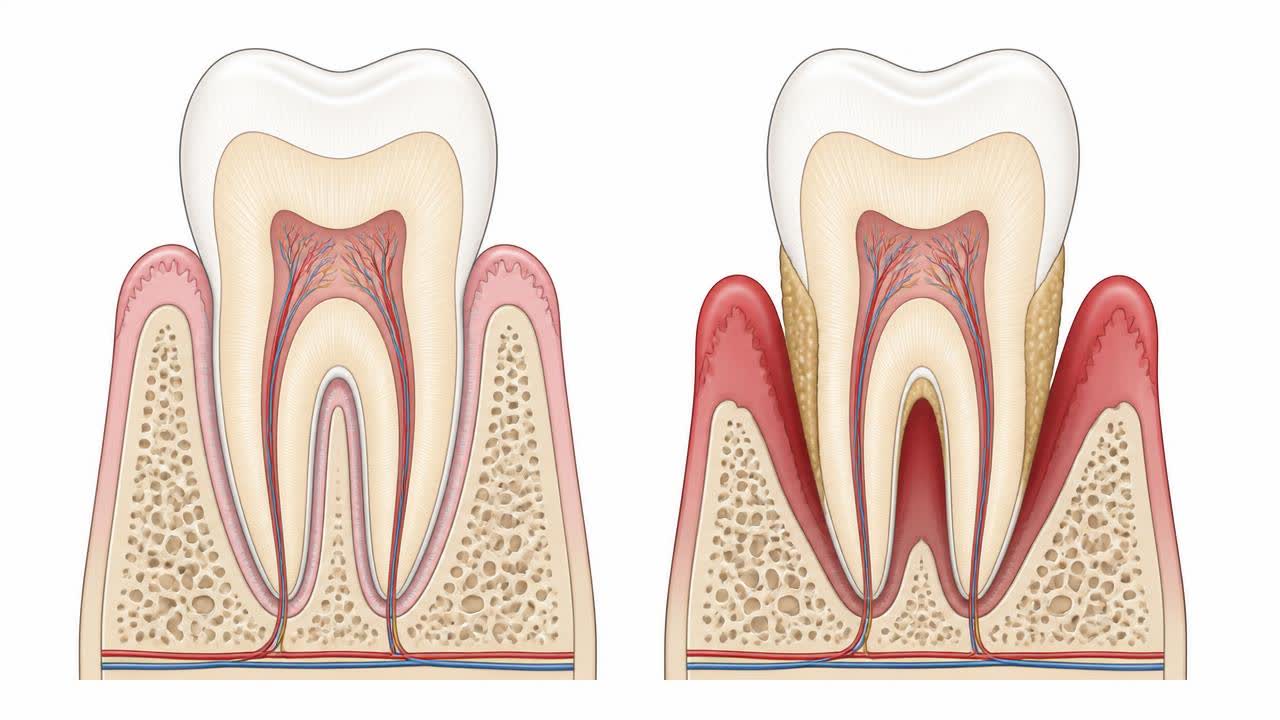
Periodontal disease is a chronic infection that progressively destroys the supporting structures of your teeth—the gums and the underlying bone. As the infection takes hold, it creates deep pockets where bacteria continue to thrive. Over time, these bacteria and the associated inflammatory response erode the bone that anchors your tooth in place, eventually leading to tooth mobility and, if left untreated, inevitable tooth loss.
At Dr. Amit Sharma Super Speciality Dental Hospital, we see gum disease as a serious threat to your natural smile. It is an insidious, silent process that often shows very few symptoms in its early stages. Our mission is to detect and address this condition early, before it has the opportunity to compromise the bone support and lead to the loss of your precious natural teeth.
The Importance of Early Diagnosis
Because gum disease often progresses without causing significant pain, you may not realise there is a problem until it is quite advanced. Symptoms like bleeding, receding gums, and persistent bad breath are all signs that you should seek a professional opinion as soon as possible. Our routine examinations, which include periodontal probing and X-rays, allow us to see what is happening beneath your gum line.
Early diagnosis is the most important factor in saving your teeth. By identifying signs of periodontal disease early, we can treat the infection, halt the damage, and keep your bone support intact. Do not wait for symptoms to become painful or obvious. If you have any concerns about your gum health, please contact our team to schedule a comprehensive assessment of your periodontal health.
Saving Your Natural Teeth
We offer a full range of periodontal treatments, from deep cleaning and laser therapy to complex surgical interventions, all aimed at one goal: saving your natural teeth. Our clinicians are highly experienced in periodontal care and are committed to using the most effective, least invasive techniques to restore the health of your supporting tissues. You can trust our team to provide you with the professional support needed.
Each treatment plan is carefully tailored to your individual needs, ensuring you get the most successful outcome. By addressing the root cause of the infection and working with you to maintain your hygiene, we can help you regain control over your dental health. We are dedicated to providing the expert, compassionate care that your teeth and your long-term wellness deserve.
Your Role in Maintaining Stability
The most critical factor in your long-term success after periodontal treatment is your dedication to your home care routine and your consistent follow-up appointments. Brushing twice daily, daily flossing, and attending regular maintenance visits at our clinic are the best ways to ensure your gum pockets remain clean and your bone support remains strong for years to come. Your hard work pays off in the health of your smile.
We are here to help you in every way, from teaching you the most effective hygiene techniques to performing the necessary maintenance procedures. We are your partners in your dental health journey, committed to seeing your natural teeth remain healthy, strong, and beautiful for your lifetime. If you are ready to invest in your long-term smile, reach out to us today to get started.
Expert Care for Your Future
We take pride in our ability to help our patients retain their natural teeth through professional, evidence-based periodontal care. Our commitment to your long-term health is at the heart of everything we do. Whether you are coming in for a routine check-up or need more complex periodontal care, we are here to provide the expertise, the support, and the professional attention you deserve.
If you have concerns about the risk of tooth loss or are looking for professional gum health support, contact our helpline to book a consultation today. We are always happy to help and are dedicated to providing the excellent, compassionate care that your dental health deserves. Let us help you protect your beautiful, natural smile for your entire life.
Questions patients ask us
- Why is gum disease the leading cause of tooth loss?
- Gum disease is the primary cause of tooth loss because it attacks the very foundation of the tooth—the bone and periodontal ligaments. Once this support system is destroyed, the tooth becomes loose and eventually may have to be removed, as the foundation can no longer hold it securely.
- Is it too late if my teeth are already loose?
- Not necessarily. While loose teeth are a sign of advanced disease, we can sometimes stabilise them through deep professional cleaning, splinting, or surgical intervention. Please contact us immediately for an urgent assessment so we can explore every possible option for saving your teeth.
- How can I prevent tooth loss from gum disease?
- Prevention is your most powerful tool. This involves diligent daily home care, including brushing and flossing, combined with regular, professional periodontal maintenance visits. Early detection is also key, so never ignore signs like bleeding or persistent bad breath—get them checked right away.
- What if I have already lost a tooth?
- If you have already lost a tooth, it is even more important to treat the underlying periodontal disease to protect the remaining teeth. We can also discuss tooth-replacement options, such as dental implants, once your gum health has been restored to a stable and healthy state.
Sources and further reading
Guidance from professional and public health bodies. Clinical decisions here are made on your own examination and radiographs.
- 1.EFP clinical practice guidelines for periodontitis — European Federation of Periodontology
- 2.Classification of periodontal and peri-implant diseases — American Academy of Periodontology
- 3.Prevention and treatment of periodontal diseases in practice — Scottish Dental Clinical Effectiveness Programme
- 4.Oral health — fact sheet and global status report — World Health Organization
- 5.Policy statements and oral health definitions — FDI World Dental Federation
- 6.Dental health — conditions, treatments and patient guidance — NHS (UK)
- 7.Systematic reviews of oral and dental interventions — Cochrane Oral Health
- 8.Regulatory framework and dental education standards in India — Dental Council of India
When to see us
Get examined without waiting if any of the following applies to you:
- Gums that bleed without provocation, or bleeding that has become heavier
- Teeth that feel loose, are drifting, or gaps that are opening up
- Persistent bad breath or taste, gum abscesses, or pus on pressing the gum
Get a written plan and cost before you commit
If this is what you are dealing with, the next step is a consultation with radiographs — gums & prevention cases are seen by the specialist who handles that field. You get a written plan and staged cost before anything begins.
reception@dramitsharmahospital.comThis article is general education and does not replace an in-person examination, radiographs or a diagnosis by a qualified dentist.
Clinical terms in this article
Related in Gums & Prevention
Bleeding Gums and Gum Disease: A Complete Guide
What bleeding gums usually mean, how gingivitis progresses into periodontal disease, and the treatment path from scaling to gum surgery.
Gum Disease: Detection and Treatment
From reversible gingivitis to periodontitis, the warning signs, staged treatment and the link to overall health.
Preventive Dentistry and Home Care
The routine that prevents most dental disease: brushing technique, interdental cleaning, diet and recall visits.
Chronic Bad Breath Caused by Gum Infection
Chronic bad breath, or halitosis, is frequently driven by underlying gum disease. Subgingival bacteria produce volatile sulphur compounds within periodontal pockets. Effective resolution requires professional periodontal debridement, targeted biofilm disruption, and meticulous daily interdental hygiene rather than cosmetic masking.
Loose Permanent Teeth from Advanced Periodontal Disease
Loose teeth from advanced gum disease occur when severe chronic inflammation destroys the supporting alveolar bone and periodontal ligament. With timely periodontal therapy, splinting, and meticulous plaque control, many loose teeth can be stabilised and preserved without extraction.
Furcation Involvement and Bone Loss Between Roots
Furcation involvement describes bone loss between the roots of multi-rooted molars caused by advanced periodontal disease. This clinical guide explains its causes, diagnostic staging, surgical and non-surgical therapies, daily maintenance, and red flag symptoms requiring urgent care.