At a glance
- Paediatric dental treatment under general anaesthesia involves rendering a child fully unconscious, insensible to pain, and immobile in a controlled hospital environment to perform comprehensive oral rehabilitation.
- The primary indication for extensive general anaesthesia child dental work is severe Early Childhood Caries (ECC), characterized by widespread, aggressive decay affecting the primary dentition.
- Children requiring extensive dental rehabilitation often present with multi-tooth cavitation, visible as dark brown or black structural defects, or yellowed, crumbling enamel.
- Determining whether a child requires general anaesthesia involves a rigorous two-part diagnostic process: paediatric dental assessment and pre-anaesthetic medical screening.
- To decide between non-pharmacological management, conscious sedation, or general anaesthesia, clinicians assess paediatric behaviour using validated metrics, predominantly the Frankl Behaviour Rating Scale.
Understanding Paediatric Dental General Anaesthesia and Oral Anatomy
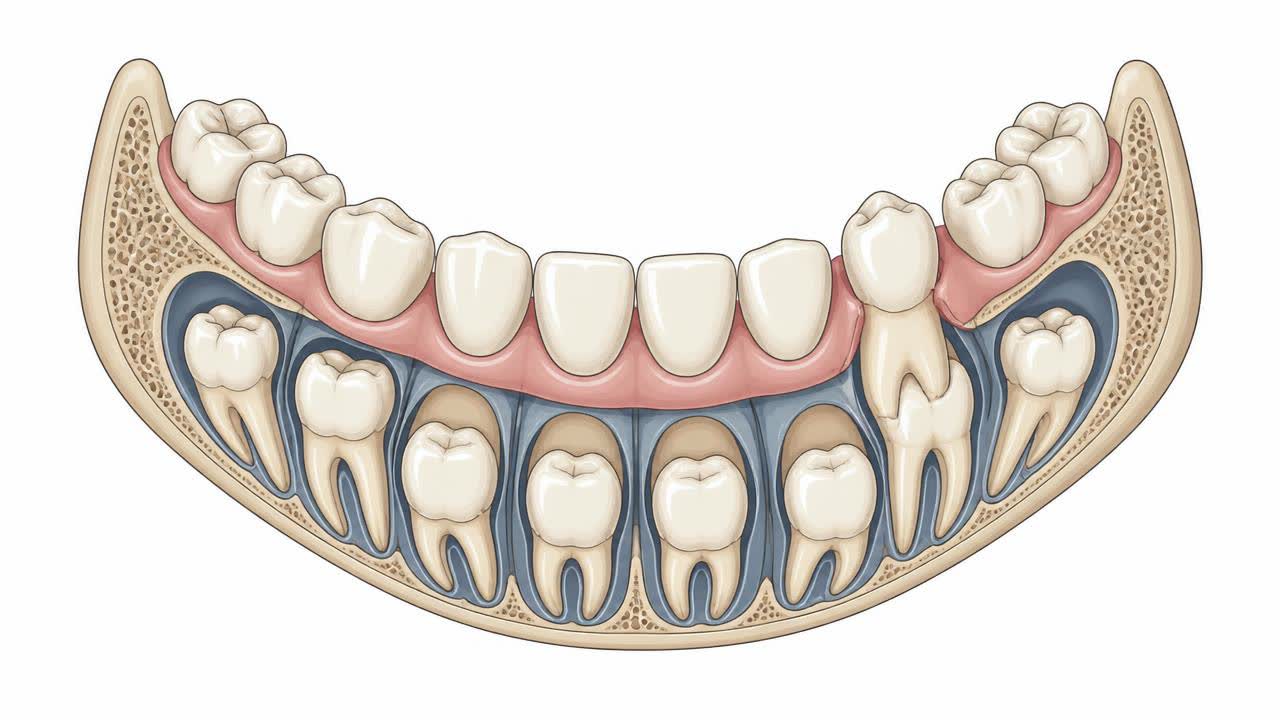
Paediatric dental treatment under general anaesthesia involves rendering a child fully unconscious, insensible to pain, and immobile in a controlled hospital environment to perform comprehensive oral rehabilitation. This modality is reserved for situations where extensive restorative or surgical dental treatment cannot be safely, effectively, or humanely delivered in a standard dental chair. Primary (deciduous) teeth differ significantly from permanent teeth; they possess thinner enamel (the hard outer layer), less dense dentine (the middle structural layer), and comparatively larger dental pulp chambers containing blood vessels and nerves. Consequently, dental caries (tooth decay) progresses rapidly in children, often threatening multiple teeth simultaneously before outward cavitation is readily noticeable.
Delivering dental care under general anaesthesia involves specialized management of the paediatric airway. Because young children have unique anatomical features—such as a relatively large tongue, an anterior and cephalad larynx, and narrow subglottic dimensions—the administration of anaesthetics requires a consultant anaesthetist. Airway protection is maintained via endotracheal intubation (passing a flexible breathing tube through the nose or mouth into the trachea) alongside a pharyngeal throat pack (a sterile gauze placed at the back of the throat) to prevent blood, saliva, or water spray from entering the lungs. This hospital-based approach allows the paediatric dentist to treat all decayed, infected, or malformed teeth in a single session without causing psychological trauma.
Behavioural Assessment and Staging of Disease
To decide between non-pharmacological management, conscious sedation, or general anaesthesia, clinicians assess paediatric behaviour using validated metrics, predominantly the Frankl Behaviour Rating Scale. This tool categorizes a child's compliance into four classes: Definitely Negative (refusal of treatment, crying, forceful resistance), Negative (reluctant, uncooperative), Positive (accepting of treatment with caution), and Definitely Positive (good rapport, enjoyment of the procedure). Children scoring 'Definitely Negative' who simultaneously require extensive multi-quadrant therapy are principal candidates for full-mouth rehabilitation under general anaesthesia.
Disease staging is established using frameworks like the International Caries Detection and Assessment System (ICDAS) alongside clinical staging of Early Childhood Caries (ranging from Stage 1: initial white-spot lesions, to Stage 3: extensive cavitation with pulpal involvement across multiple teeth). Clinicians also differentiate between reversible and irreversible pulpal pathoses. When carious lesions extend into the pulp across numerous primary molars and incisors in a young child, the sheer volume of intricate treatments—such as pulpotomies (nerve treatments) and stainless steel crowns—exceeds the coping capacity of young patients, warranting definitive hospital intervention.
Clinical Indications and Underlying Causes for Hospital-Based Care
The primary indication for extensive general anaesthesia child dental work is severe Early Childhood Caries (ECC), characterized by widespread, aggressive decay affecting the primary dentition. ECC frequently develops from prolonged, unrestricted night-time bottle-feeding with formula, cattle milk, or sweetened drinks, allowing fermentable carbohydrates to pool around the maxillary (upper) anterior teeth. In regions such as the Indian subcontinent and developing communities, dietary practices involving sugar-sweetened pacifiers, biscuits, and refined carbohydrates, coupled with a lack of community water fluoridation, accelerate this process. Beyond dietary factors, enamel hypoplasia (developmental underdevelopment of enamel) leaves teeth structurally vulnerable to rapid bacterial colonization.
General anaesthesia is also indicated for children presenting with severe dental anxiety or dental phobia that precludes cooperative chairside care, especially when multiple quadrants of the mouth require invasive intervention. Furthermore, children with complex medical conditions—such as congenital cardiac defects, severe bleeding disorders, neuromuscular conditions, or autism spectrum disorders—often require a controlled theatre setting to manage medical risks safely. In emergency presentations involving spreading odontogenic infections (abscesses originating from dental pulp) that compromise facial tissue spaces, hospital admission and general anaesthesia are necessary to provide surgical drainage and tooth extractions under optimal airway protection.
Clinical Presentation and Symptoms of Severe Dental Disease
Children requiring extensive dental rehabilitation often present with multi-tooth cavitation, visible as dark brown or black structural defects, or yellowed, crumbling enamel. Symptoms typically begin with sensitivity to thermal stimuli (hot or cold foods) or sweet items, signaling pulp hyperaemia (inflammation of the nerve). As the disease advances to irreversible pulpitis or pulp necrosis (nerve death), children frequently experience spontaneous, unprovoked toothaches that interrupt nocturnal sleep. Chronic pain may alter the child's behaviour, manifesting as unexplained irritability, reduced school engagement, or refusal to eat fibrous or solid foods, which can contribute to nutritional deficiencies.
Advanced stages present with visible intraoral swelling, parulis formation (a localized gum abscess commonly termed a gum boil), or localized gingival fistulas draining pus into the oral cavity. If left unmanaged, the infection can breach cortical bone, leading to extraoral facial cellulitis—a diffuse, firm swelling affecting the cheek, submandibular, or periorbital spaces. Children may also demonstrate halitosis (chronic bad breath) and altered chewing patterns, deliberately using only one side of the mouth or swallowing food whole to avoid painful occlusal contact, thereby impairing normal mastication and digestion.
Comprehensive Pre-Operative and Diagnostic Evaluation
Determining whether a child requires general anaesthesia involves a rigorous two-part diagnostic process: paediatric dental assessment and pre-anaesthetic medical screening. The paediatric dental surgeon conducts an initial clinical examination, documenting soft tissue health, tooth mobility, occlusal relationships, and the extent of carious destruction across all quadrants. Intraoral periapical or bitewing radiographs, and occasionally an orthopantomogram (OPG; a panoramic radiograph of the jaws), are obtained when cooperation permits, or planned as the first step under anaesthesia. These radiographs reveal the proximity of decay to the pulp chamber, the presence of periapical radiolucencies (bone loss from infection), and the development of underlying permanent successors.
Simultaneously, a pre-anaesthetic evaluation is performed by an anaesthetist to stratify systemic risk according to the American Society of Anesthesiologists (ASA) Physical Status classification system. Most elective dental general anaesthesia procedures are restricted to ASA I (completely healthy) and ASA II (mild systemic disease, such as well-controlled asthma) patients in outpatient or day-surgery units, while higher-risk children (ASA III and IV) require tertiary hospital facilities with paediatric intensive care units. The anaesthetist evaluates the child's medical history, current medications, previous anaesthetic exposures, and assesses the upper airway for potential intubation difficulties, ensuring optimal safety before scheduling.
Treatment Modalities: Chairside, Sedation, and General Anaesthesia
Contemporary paediatric dentistry emphasizes conservative and staged interventions where possible. When decay is limited, non-pharmacological behaviour guidance techniques (such as Tell-Show-Do, positive reinforcement, and distraction) combined with local anaesthesia are the first-line approach. For mild-to-moderate anxiety in cooperative children, inhalation sedation using nitrous oxide and oxygen ('happy air') provides mild analgesia and anxiolysis while the patient remains conscious and responsive. Alternatively, intravenous or oral sedation can be used in older, moderately apprehensive children, though these techniques demand precise titration and cooperative physiological compliance.
In contrast, comprehensive dental general anaesthesia is indicated when alternative techniques fail or cannot guarantee patient safety and emotional well-being. The clinical evidence supports general anaesthesia for extensive disease because it enables complete, single-visit oral rehabilitation under ideal operating conditions. In an operating theatre, the dentist can achieve absolute moisture control, execute delicate pulp therapy, place durable preformed metal crowns, perform necessary surgical extractions, and apply preventive sealants across the entire dentition without patient movement, distress, or physiological compromise.
The Step-by-Step Hospital and Surgical Journey
On the day of surgery, strict pre-operative fasting (nil-by-mouth) guidelines must be observed to minimize the risk of pulmonary aspiration of gastric contents. Modern anaesthetic protocols typically require fasting of 6 hours for solid foods and formula, 4 hours for breast milk, and 2 hours for clear fluids (such as water). Upon arrival at the hospital day-surgery unit, baseline observations (heart rate, oxygen saturation, temperature, blood pressure) are verified, and anxiolytic premedication may occasionally be given to calm an agitated child.
In the operating theatre, anaesthetic induction is achieved either via inhalation of a volatile anaesthetic gas (such as sevoflurane) through a scented face mask or via intravenous injection of anaesthetic agents (such as propofol). Once unconscious, the anaesthetist secures the airway using a nasotracheal or orotracheal tube and establishes continuous cardiorespiratory monitoring. A throat pack is inserted to protect the lungs. The dental team then performs thorough debridement, diagnostic radiographs, restorations (such as aesthetic composite fillings or preformed stainless steel/zirconia crowns), pulpal therapies, and extractions. Finally, the oral cavity is irrigated, local anaesthetic is infiltrated for post-operative analgesia, the throat pack is removed under direct vision, and the child is gently extubated.
Potential Complications, Anaesthetic Risks, and Safety Protocols
Although modern paediatric general anaesthesia has an exceptionally high safety profile, inherent medical and dental risks exist. Minor post-operative complications include nausea, vomiting, dizziness, mild lip or tongue biting due to residual local anaesthetic numbness, and transient hoarseness. Airway-related events, such as laryngospasm (involuntary closure of the vocal cords) or bronchospasm, are rare but well-recognized risks managed immediately by the anaesthetic team with positive pressure ventilation or targeted pharmacological reversal.
Severe anaesthetic complications, such as malignant hyperthermia (a rare, life-threatening pharmacogenetic reaction to volatile anaesthetics) or systemic anaphylaxis, are exceedingly rare in modern practice due to strict pre-operative screening, advanced monitoring equipment (including capnography and pulse oximetry), and standardized emergency protocols. From a dental perspective, potential complications include localized alveolar osteitis, secondary haemorrhage, or failure of a pulpotomy; however, performing procedures in a clean, non-hurried operating theatre significantly lowers procedural failure rates compared to treatment delivered under difficult chairside conditions.
Evidence and further reading
The application of general anaesthesia for paediatric dental rehabilitation is supported by extensive international clinical guidelines and high-level medical literature. Major professional bodies, including the American Academy of Pediatric Dentistry (AAPD), the British Society of Paediatric Dentistry (BSPD), the European Academy of Paediatric Dentistry (EAPD), and the World Health Organization (WHO), affirm that general anaesthesia is an essential component of comprehensive paediatric care when non-pharmacological or conscious sedation methods are unfeasible or insufficient to protect the child's physical and psychological wellbeing.
Systematic reviews published in Cochrane Database of Systematic Reviews and leading peer-reviewed journals—such as the International Journal of Paediatric Dentistry, Pediatric Dentistry, and the Journal of the American Dental Association (JADA)—consistently demonstrate that full-mouth rehabilitation under general anaesthesia results in immediate improvements in the child's oral-health-related quality of life, resolving chronic pain, improving sleep patterns, and restoring normal masticatory function and growth parameters. The literature emphasizes that hospital-based treatment must always be coupled with robust post-operative preventive maintenance to prevent the recurrence of dental disease.
Post-Operative Recovery, Normal Symptoms, and Home Care
Following extubation, the child is transferred to the Post-Anaesthesia Care Unit (PACU), where specialized recovery nurses monitor oxygen levels, airway patency, and hemodynamic stability. It is common for children to experience 'emergence delirium'—a transient period of disorientation, agitation, inconsolable crying, or lethargy as the anaesthetic gases metabolize. Once fully awake, stable, and able to tolerate small sips of clear water without nausea, the child is discharged into the parents' care, typically within two to four hours post-surgery.
Home recovery requires close supervision. Parents should expect mild, self-limiting symptoms over the first 24 to 48 hours, including a mild sore throat from the breathing tube, light gingival oozing where crowns were seated or teeth extracted, and drowsiness. A soft, non-abrasive, room-temperature diet (e.g., yogurt, pureed fruits, soft rice, and broth) should be maintained for the first two days. Analgesia should be administered proactively according to the surgical discharge plan, utilizing regular paediatric paracetamol and ibuprofen to control inflammatory discomfort before local anaesthesia completely wears off.
Preventive Care and Long-Term Oral Health Maintenance
Comprehensive dental treatment under general anaesthesia restores oral health, but it does not eliminate the underlying biological risks that caused the decay. Without rigorous behavioural, dietary, and hygiene modifications, newly erupted permanent teeth and retained primary teeth remain highly susceptible to recurrent carious lesions. Parents must establish an immediate twice-daily brushing routine using age-appropriate fluoridated toothpaste (at least 1000 to 1450 ppm fluoride), supervising and assisting the child with brushing until at least seven to eight years of age to ensure plaque removal along the gingival margin.
Dietary control is critical: nocturnal bottle or breast-feeding must cease, and fermentable carbohydrates, sugary snacks, fruit juices, and carbonated beverages must be strictly minimized. In communities where sweetened foods or traditional habits (such as offering sweet delicacies or areca nut products) exist, targeted parental education is essential. A strict dental recall interval—typically every three to six months—must be scheduled. During these recall visits, the paediatric dentist performs clinical monitoring, evaluates oral hygiene compliance, applies professional topical fluoride varnish, and places pit and fissure sealants on newly erupted permanent first molars.
Red Flags Requiring Immediate Emergency Medical Attention
While mild lethargy and low-grade discomfort are expected following general anaesthesia child dental work, certain clinical signs indicate emerging complications requiring urgent intervention. Parents must seek immediate emergency medical care if the child develops signs of respiratory distress, including stridor (a high-pitched whistling sound during inspiration), persistent coughing, cyanosis (bluish discolouration around the lips or nail beds), or retractions (sucking in of the skin around the ribs and neck during breathing).
Other critical red flags include active, unmanageable oral haemorrhage that does not resolve after applying continuous gentle pressure with a sterile gauze pad for twenty minutes; persistent, intractable vomiting preventing the retention of fluids for more than six to eight hours; a pyrexia (fever) exceeding 38.5°C that fails to respond to antipyretics; or rapidly progressing facial, submandibular, or periorbital swelling accompanied by difficulty swallowing (dysphagia). These symptoms warrant prompt assessment at an emergency department or direct contact with the treating hospital surgical team.
Questions patients ask us
- Why can't my child have all this dental work done in the normal dental chair?
- When a child has extensive, multi-quadrant tooth decay, numerous complex procedures (such as nerve treatments, stainless steel crowns, and surgical extractions) are required. Expecting a young or anxious child to sit still through multiple long, painful appointments can lead to severe emotional distress and dangerous movements during delicate procedures. General anaesthesia allows the paediatric dentist to complete all necessary treatments safely, accurately, and painlessly in a single session within a controlled hospital environment.
- Is general anaesthesia safe for a young child undergoing dental treatment?
- Modern general anaesthesia administered by a qualified paediatric anaesthetist in an accredited hospital is very safe. Strict pre-operative assessments, advanced cardiorespiratory monitoring, and modern anaesthetic agents minimize serious risks. While minor side effects such as nausea, drowsiness, and a sore throat can occur, life-threatening complications are exceedingly rare. The risk of leaving severe dental infections untreated is often far greater than the risk of the anaesthetic itself.
- How long will my child take to wake up and recover after the procedure?
- Most children wake up within 15 to 30 minutes after the anaesthetic medications are stopped. They are closely monitored in the recovery room until they are fully conscious, alert, and able to drink fluids without vomiting. It is normal for children to feel groggy, unsteady, or mildly irritable for the first few hours. The majority of children are discharged on the same day and return to their usual energy levels within 24 to 48 hours.
- Why do primary (baby) teeth need extensive treatment under anaesthesia if they fall out anyway?
- Primary teeth are essential for chewing, speech development, proper jaw growth, and holding space for permanent teeth. Untreated decay can lead to severe pain, facial abscesses, and systemic infection, and it can damage the developing permanent teeth directly underneath. Premature loss of baby molars can also cause permanent teeth to erupt out of alignment, resulting in severe orthodontic problems later in life.
- What should my child eat after having dental surgery under general anaesthesia?
- Start with clear fluids like water or apple juice once the child is awake and asking for a drink. If tolerated without nausea, progress to a soft, cool or room-temperature diet for the first 24 to 48 hours. Excellent options include plain yogurt, smooth purees, lukewarm broth, scrambled eggs, mashed potatoes, and soft rice. Avoid hard, crunchy, sticky, hot, or spicy foods, and do not allow your child to drink through a straw, as the suction can disturb healing blood clots.
- Will my child feel pain after the dental general anaesthesia procedure?
- During the procedure, the dentist administers local anaesthetic numbing injections in the mouth to ensure your child wakes up comfortable. As the numbness wears off over 2 to 4 hours, your child may experience mild gum tenderness or jaw aching. This is generally well managed by giving regular paediatric pain medications, such as paracetamol and ibuprofen, as prescribed by your hospital team.
- What strict fasting rules must we follow before the hospital appointment?
- Fasting is vital to prevent stomach contents from entering the lungs during anaesthesia. Standard clinical guidelines generally require no solid food, milk, or formula for 6 hours prior to hospital admission. Breast milk is usually allowed up to 4 hours beforehand, and clear water is permitted up to 2 hours before the procedure. You must follow the exact fasting schedule provided by your anaesthetic team; failure to do so will result in cancellation of the surgery.
- How can we prevent new cavities from forming after full-mouth rehabilitation?
- General anaesthesia treats existing damage but does not prevent future decay. Prevention requires establishing twice-daily brushing with fluoridated toothpaste, avoiding night-time bottles or sugary beverages, and limiting refined carbohydrates and sweets. Additionally, attend regular 3- to 6-month preventive dental check-ups for professional cleaning, fluoride varnish applications, and dental sealants to safeguard remaining primary and newly emerging permanent teeth.
Sources and further reading
Guidance from professional and public health bodies. Clinical decisions here are made on your own examination and radiographs.
- 1.Best practice policies and clinical recommendations — American Academy of Pediatric Dentistry
- 2.Delivering better oral health — an evidence-based toolkit — Public Health England / OHID
- 3.Oral health — fact sheet and global status report — World Health Organization
- 4.Policy statements and oral health definitions — FDI World Dental Federation
- 5.Dental health — conditions, treatments and patient guidance — NHS (UK)
- 6.Systematic reviews of oral and dental interventions — Cochrane Oral Health
- 7.Regulatory framework and dental education standards in India — Dental Council of India
When to see us
Get examined without waiting if any of the following applies to you:
- Facial swelling, fever or refusal to eat or drink in a child — seek same-day care
- Dental injury to a child's tooth, especially if it is displaced or knocked out
- A dark or discoloured tooth, or a lump on the gum above a tooth
Get a written plan and cost before you commit
If this is what you are dealing with, the next step is a consultation with radiographs — children's dentistry cases are seen by the specialist who handles that field. You get a written plan and staged cost before anything begins.
reception@dramitsharmahospital.comThis article is general education and does not replace an in-person examination, radiographs or a diagnosis by a qualified dentist.
Clinical terms in this article
Related in Children's Dentistry
Children's Dental Care by Age
First visit timing, fluoride and sealants, why milk teeth matter, and managing dental anxiety in children.
Pulpotomy vs Pulpectomy in Baby Teeth Explained
This clinical guide clarifies the differences between a pulpotomy and a pulpectomy in primary teeth. Learn about deciduous pulp anatomy, diagnostic criteria, clinical steps, restorative crowns, post-operative care, and when emergency dental attention is necessary.
Regenerative Endodontics for Immature Teeth with Pulp Necrosis
A regenerative endodontic procedure restores vascularity and tissue vitality to immature permanent teeth affected by pulp necrosis. This evidence-based guide details diagnostic protocols, biologically based revascularisation steps, treatment comparisons, recovery expectations, and long-term tooth preservation strategies.
Apexification Procedure for Immature Permanent Teeth in Children
An apexification procedure is a specialised dental intervention designed to treat non-vital, immature permanent teeth in children. It creates a calcified apical barrier, enabling effective root canal obturation while preserving the natural tooth within the developing jaw.
Apexogenesis Procedure to Preserve Pulp Vitality in Children
Apexogenesis is a vital pulp therapy that preserves living pulp tissue in immature permanent teeth of children. By maintaining vascularity, it enables continued root lengthening, dentinal wall thickening, and natural apical closure following traumatic injury or deep decay.
Palatal Expanders for Children: How Rapid Palatal Expansion Works
A clinical guide to rapid palatal expansion in children. Learn how a palate expander for kids corrects transverse maxillary constriction, posterior crossbites, and severe crowding before midpalatal suture fusion during natural skeletal development.