At a glance
- Facial trauma encompasses any injury to the face, including fractures of the jaw, cheekbones, nose, or orbital bones, as well as damage to teeth and soft tissues.
- When you arrive at our hospital with a facial injury, our primary focus is on a comprehensive evaluation.
- Many facial injuries require surgical correction to restore the bones to their original position.
- Facial trauma often involves damage to the teeth and the delicate soft tissues of the mouth.
- Recovery after facial trauma is a gradual journey.
Understanding Facial Trauma
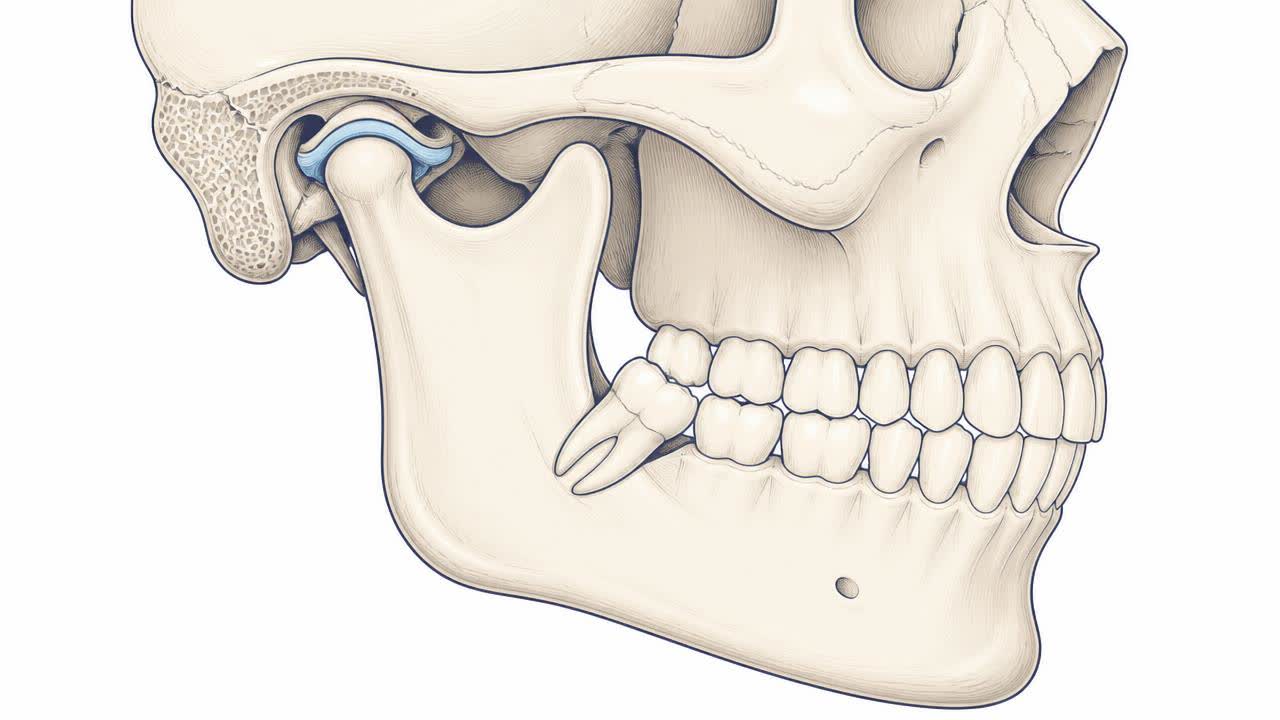
Facial trauma encompasses any injury to the face, including fractures of the jaw, cheekbones, nose, or orbital bones, as well as damage to teeth and soft tissues. These injuries can result from accidents, sports, or other impacts. Because the face is central to your ability to speak, eat, breathe, and interact with the world, prompt and specialised management is absolutely critical to ensuring long-term recovery and aesthetic outcome.
At Dr. Amit Sharma Super Speciality Dental Hospital in Jaipur, we have the expertise to manage acute facial injuries effectively. Our team understands the urgency and complexity involved in these cases. We prioritise rapid assessment, stabilisation, and precise surgical intervention to restore your function and appearance. If you or a loved one has suffered a facial injury, please contact our emergency services immediately for professional guidance and care.
Immediate Assessment and Care
When you arrive at our hospital with a facial injury, our primary focus is on a comprehensive evaluation. This involves advanced imaging, such as 3D CT scans, to identify the extent of any fractures or soft tissue damage. We assess your airway, your ability to breathe, and any potential issues that require immediate intervention. Quick diagnosis is essential to plan the most effective treatment for your specific needs.
Our team works swiftly to stabilise any injuries. This might involve setting a jaw fracture, addressing dental damage, or repairing complex soft tissue wounds. We believe that early, precise intervention leads to better healing and less risk of long-term problems. By providing expert care from the very first moment, we aim to minimise pain, reduce complications, and set you on the best possible path to recovery.
Surgical Intervention for Fractures
Many facial injuries require surgical correction to restore the bones to their original position. We use modern, minimally invasive techniques whenever possible to reduce scarring and speed up recovery. For jaw or cheekbone fractures, this typically involves using internal fixation with titanium plates and screws to hold the bone fragments securely in place, ensuring they heal correctly without needing to wire your jaws together.
Our surgeons are highly skilled in reconstructive procedures, focusing on both structural stability and aesthetic harmony. We strive to restore your facial symmetry and function as completely as possible. By utilising high-quality materials and precise surgical approaches, we can provide durable results that support the healing process and restore your confidence. Your well-being and long-term quality of life remain the central focus of our surgical strategy.
Dental and Soft Tissue Repair
Facial trauma often involves damage to the teeth and the delicate soft tissues of the mouth. Our specialists provide comprehensive dental care, including fixing broken teeth, replanting avulsed (knocked-out) teeth, or managing jaw-related dental injuries. We also perform meticulous soft tissue repairs to minimise scarring and restore the normal structure of your lips, gums, and oral cavity, ensuring that your mouth remains functional and comfortable.
The integration of dental and oral surgery expertise allows us to provide a complete solution for your facial trauma. We know that these injuries are traumatic in more ways than one, and our team is committed to providing compassionate, patient-centred care throughout your healing journey. We work diligently to repair the damage effectively, helping you return to your normal life with a restored smile and proper oral function.
Recovery and Long-Term Follow-Up
Recovery after facial trauma is a gradual journey. We provide a detailed recovery plan, including instructions on managing swelling, pain control, and necessary dietary adjustments. Regular follow-up appointments at our Jaipur hospital are essential to monitor your bone healing, ensure the stability of the surgical repairs, and address any functional or aesthetic concerns that may arise during your healing process.
We are here to support your recovery every step of the way. If you have any concerns regarding your facial trauma care, please reach out to us. For emergency enquiries or to schedule a follow-up, contact Dr. Amit Sharma Super Speciality Dental Hospital in Jaipur on 9314403502. We are dedicated to providing expert, compassionate care to help you overcome your injury and achieve a full, successful recovery.
Questions patients ask us
- What should I do immediately after a facial injury?
- In the event of a significant facial injury, seek emergency medical care immediately. Control bleeding with firm pressure, avoid moving the jaw if you suspect a fracture, and apply a cold compress to reduce swelling. Then, contact our specialist team at 9314403502 as soon as possible for expert assessment.
- Will I have permanent facial scarring?
- We prioritise techniques that minimise visible scarring, often accessing fractures from inside the mouth. For necessary external incisions, our surgeons use meticulous closure techniques to make scars as subtle as possible. The final appearance depends on the injury's nature and your individual healing process.
- Can you fix broken teeth too?
- Yes, our team manages both skeletal fractures and dental injuries. We can repair fractured teeth, splint loose teeth, or provide other essential dental treatments as part of your comprehensive facial trauma management. We aim to restore your dental health and function alongside the skeletal repairs.
- How long does it take for bones to heal?
- Skeletal healing generally takes several weeks to months, depending on the severity of the fractures. We monitor this process through regular follow-up appointments and imaging to ensure the bones are knitting together properly. We provide guidance on when you can safely resume normal activities.
Sources and further reading
Guidance from professional and public health bodies. Clinical decisions here are made on your own examination and radiographs.
- 1.Clinical parameters of care and patient information — American Association of Oral and Maxillofacial Surgeons
- 2.Guidance on the extraction of wisdom teeth — NICE (UK)
- 3.Oral cancer — risk factors, early detection and prevention — World Health Organization
- 4.Policy statements and oral health definitions — FDI World Dental Federation
- 5.Dental health — conditions, treatments and patient guidance — NHS (UK)
- 6.Systematic reviews of oral and dental interventions — Cochrane Oral Health
- 7.Regulatory framework and dental education standards in India — Dental Council of India
When to see us
Get examined without waiting if any of the following applies to you:
- Swelling that spreads, restricts mouth opening or affects swallowing or breathing
- Numbness, altered sensation, or bleeding that will not stop after surgery
- Jaw locking, an ulcer or lump lasting more than two weeks, or a white or red patch that does not heal
Get a written plan and cost before you commit
If this is what you are dealing with, the next step is a consultation with radiographs — surgery & jaw cases are seen by the specialist who handles that field. You get a written plan and staged cost before anything begins.
reception@dramitsharmahospital.comThis article is general education and does not replace an in-person examination, radiographs or a diagnosis by a qualified dentist.
Related in Surgery & Jaw
Wisdom Tooth Problems: Symptoms, Impaction and When Removal Is Needed
Why wisdom teeth cause pain and swelling, what impaction means, and how to decide between monitoring and surgical removal.
Wisdom Teeth and Impactions
When third molars need removal, what impaction means, and what recovery realistically looks like.
Jaw Surgery, TMJ Disorders and Facial Trauma
Corrective jaw surgery, temporomandibular joint pain and management of facial injuries by a maxillofacial team.
Laser Periodontal Therapy Procedure Benefits and Recovery
Laser periodontal therapy, including the LANAP protocol, uses targeted wavelength lasers to treat moderate-to-severe periodontitis. This guide covers biological mechanisms, procedural stages, recovery guidelines, evidence-based outcomes, and long-term periodontal maintenance strategies.
Connective Tissue Graft Surgery for Receding Gums
Connective tissue gum graft surgery repairs severe gingival recession by transplanting donor tissue beneath receded gums. This evidence-based guide explains surgical techniques, anatomical principles, recovery timelines, clinical classifications, risks, and postoperative maintenance for optimal root coverage.
Free Gingival Graft Procedure to Thicken Gums
A free gingival graft is a proven periodontal surgical procedure designed to augment thin or deficient attached gum tissue. This comprehensive guide covers anatomical indications, surgical steps, donor and recipient healing phases, complications, and evidence-based post-operative recovery protocols.