At a glance
- Facial trauma, including fractures of the jaw and surrounding bones, most commonly results from road traffic accidents, falls, sports injuries, and interpersonal altercations.
- Signs suggestive of a jaw fracture include severe pain that worsens with jaw movement, visible swelling, bruising, or facial asymmetry, difficulty opening or closing the mouth normally, a change in bite alignment where the teeth…
- While arranging urgent transport to a hospital or emergency dental facility, try to keep the person calm and avoid unnecessary jaw movement or speaking.
- Diagnosis typically involves a clinical examination alongside imaging such as an orthopantomogram or CT scan, allowing the surgical team to precisely map the location and pattern of any fracture.
Common Causes of Facial Trauma
Facial trauma, including fractures of the jaw and surrounding bones, most commonly results from road traffic accidents, falls, sports injuries, and interpersonal altercations. Given the density of two-wheeler traffic in many Indian cities, road accidents involving motorcycles and scooters are a particularly frequent cause of significant facial and jaw injuries seen in emergency settings.
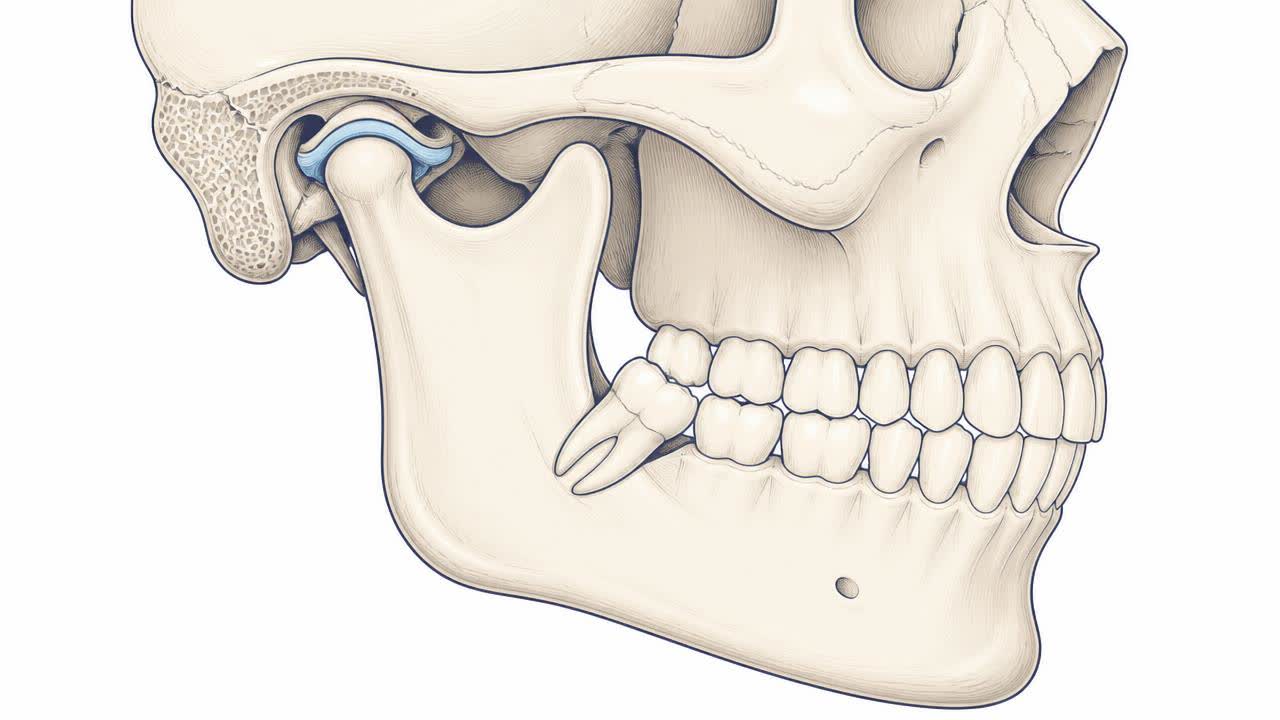
The lower jaw is the most frequently fractured facial bone due to its prominent, mobile position, though fractures can also affect the cheekbone, eye socket, upper jaw, or nasal bones, sometimes in combination, depending on the mechanism and severity of the injury.
Recognising a Possible Jaw Fracture
Signs suggestive of a jaw fracture include severe pain that worsens with jaw movement, visible swelling, bruising, or facial asymmetry, difficulty opening or closing the mouth normally, a change in bite alignment where the teeth no longer meet as they previously did, and in some cases, numbness of the lip or chin.
Any suspected facial or jaw fracture following a significant impact should be treated as a medical emergency, particularly if there are also signs of head injury such as loss of consciousness, confusion, or vomiting, which require immediate hospital assessment.
Immediate Steps After Injury
While arranging urgent transport to a hospital or emergency dental facility, try to keep the person calm and avoid unnecessary jaw movement or speaking. If there is bleeding, apply gentle pressure with a clean cloth, and if a tooth has been knocked out alongside the injury, follow appropriate tooth preservation steps while prioritising getting the person to medical care.
Do not attempt to realign a visibly displaced jaw or force the mouth closed, as this can worsen the injury or cause airway compromise. If breathing appears difficult, positioning the person to keep the airway clear while awaiting emergency assistance takes priority over any other consideration.
Diagnosis and Surgical Treatment
Diagnosis typically involves a clinical examination alongside imaging such as an orthopantomogram or CT scan, allowing the surgical team to precisely map the location and pattern of any fracture. Treatment options range from a period of jaw immobilisation using wires or elastics for simple, well-aligned fractures, to open surgical fixation using titanium plates and screws for more complex or displaced fractures.
Multidisciplinary care is often required for significant facial trauma, involving oral and maxillofacial surgeons alongside ophthalmologists, ENT specialists, or neurosurgeons depending on the extent and location of associated injuries, to ensure both functional and aesthetic outcomes are optimised.
Questions patients ask us
- How do I know if my jaw is fractured after an accident?
- Signs include severe pain, swelling, difficulty opening or closing the mouth, a change in how your teeth bite together, and sometimes numbness of the lip or chin. If you suspect a jaw fracture after any significant impact, seek emergency medical or dental attention promptly for proper imaging and assessment.
- Will a fractured jaw always need surgery?
- Not always. Some simple, well-aligned fractures can be managed with a period of jaw immobilisation using wires or elastic bands without open surgery. More displaced or complex fractures typically require surgical fixation with plates and screws to restore proper alignment and function.
- How long does recovery from a jaw fracture take?
- Bone healing for a jaw fracture generally takes around six to eight weeks, though this varies with the severity and treatment method used. During this period, a modified diet and careful activity restrictions are usually necessary to protect the healing bone.
- Can facial trauma affect my teeth even without a visible fracture?
- Yes, significant impact to the face can loosen, chip, or damage the nerve supply of teeth even when the jawbone itself is not fractured. A dental examination alongside any facial trauma assessment is important to identify and address these associated injuries early.
Sources and further reading
Guidance from professional and public health bodies. Clinical decisions here are made on your own examination and radiographs.
- 1.Clinical parameters of care and patient information — American Association of Oral and Maxillofacial Surgeons
- 2.Guidance on the extraction of wisdom teeth — NICE (UK)
- 3.Oral cancer — risk factors, early detection and prevention — World Health Organization
- 4.Policy statements and oral health definitions — FDI World Dental Federation
- 5.Dental health — conditions, treatments and patient guidance — NHS (UK)
- 6.Systematic reviews of oral and dental interventions — Cochrane Oral Health
- 7.Regulatory framework and dental education standards in India — Dental Council of India
When to see us
Get examined without waiting if any of the following applies to you:
- Swelling that spreads, restricts mouth opening or affects swallowing or breathing
- Numbness, altered sensation, or bleeding that will not stop after surgery
- Jaw locking, an ulcer or lump lasting more than two weeks, or a white or red patch that does not heal
Get a written plan and cost before you commit
If this is what you are dealing with, the next step is a consultation with radiographs — surgery & jaw cases are seen by the specialist who handles that field. You get a written plan and staged cost before anything begins.
reception@dramitsharmahospital.comThis article is general education and does not replace an in-person examination, radiographs or a diagnosis by a qualified dentist.
Related in Surgery & Jaw
Wisdom Tooth Problems: Symptoms, Impaction and When Removal Is Needed
Why wisdom teeth cause pain and swelling, what impaction means, and how to decide between monitoring and surgical removal.
Wisdom Teeth and Impactions
When third molars need removal, what impaction means, and what recovery realistically looks like.
Jaw Surgery, TMJ Disorders and Facial Trauma
Corrective jaw surgery, temporomandibular joint pain and management of facial injuries by a maxillofacial team.
Laser Periodontal Therapy Procedure Benefits and Recovery
Laser periodontal therapy, including the LANAP protocol, uses targeted wavelength lasers to treat moderate-to-severe periodontitis. This guide covers biological mechanisms, procedural stages, recovery guidelines, evidence-based outcomes, and long-term periodontal maintenance strategies.
Connective Tissue Graft Surgery for Receding Gums
Connective tissue gum graft surgery repairs severe gingival recession by transplanting donor tissue beneath receded gums. This evidence-based guide explains surgical techniques, anatomical principles, recovery timelines, clinical classifications, risks, and postoperative maintenance for optimal root coverage.
Free Gingival Graft Procedure to Thicken Gums
A free gingival graft is a proven periodontal surgical procedure designed to augment thin or deficient attached gum tissue. This comprehensive guide covers anatomical indications, surgical steps, donor and recipient healing phases, complications, and evidence-based post-operative recovery protocols.