At a glance
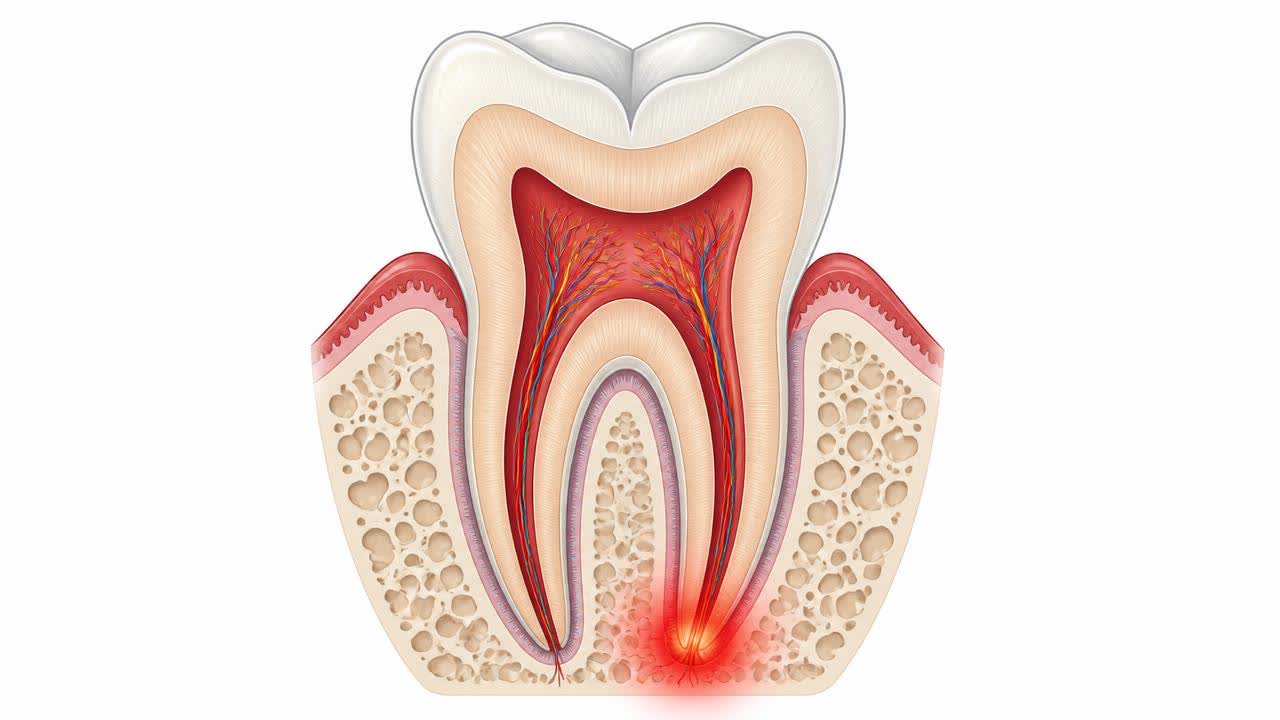
- Facial swelling arising from a dental infection typically develops when bacteria from a decayed or abscessed tooth spread beyond the tooth itself into the surrounding soft tissues of the face and jaw.
- Certain patterns of facial swelling require immediate hospital attention rather than a routine dental appointment.
- On arrival, the dental and medical team will assess the extent and location of the swelling, often supported by clinical examination and sometimes imaging, to determine the source of infection and how far it has spread.
- Most severe facial swelling cases originate from a tooth problem that had been present for some time without treatment, whether due to fear, cost concerns, or underestimating the seriousness of early symptoms.
Understanding Dental Facial Swelling
Facial swelling arising from a dental infection typically develops when bacteria from a decayed or abscessed tooth spread beyond the tooth itself into the surrounding soft tissues of the face and jaw. This can begin as mild puffiness near the affected tooth and, if untreated, progress to involve larger areas of the cheek, jaw, or even the eye and neck region.
The rate at which swelling develops and spreads is an important indicator of severity. Gradual, localised swelling confined to the gum near a single tooth is generally less urgent than rapidly spreading swelling affecting a wider area of the face within a short period of time.
Warning Signs That Indicate an Emergency
Certain patterns of facial swelling require immediate hospital attention rather than a routine dental appointment. These include swelling that is spreading rapidly over hours, swelling that extends to close or partially close the eye, difficulty swallowing or a sensation of the throat tightening, difficulty breathing, drooling due to inability to swallow, and a high fever accompanying the swelling.
These signs can indicate that the infection is spreading into deeper tissue spaces of the head and neck, a situation that can become life-threatening if not treated urgently with a combination of surgical drainage, antibiotics, and, in some cases, hospital admission for close monitoring.
What Happens at the Hospital
On arrival, the dental and medical team will assess the extent and location of the swelling, often supported by clinical examination and sometimes imaging, to determine the source of infection and how far it has spread. Treatment typically involves surgical drainage of the infection, extraction or root canal treatment of the causative tooth once the acute phase is controlled, and antibiotics where indicated.
In cases of significant swelling affecting breathing or swallowing, hospital admission may be recommended for intravenous antibiotics and close monitoring until the infection is brought under control. Dr Amit Sharma Super Speciality Dental Hospital in Jaipur is equipped to manage such emergencies and can be reached urgently on 9314403502.
Preventing Escalation to a Dental Emergency
Most severe facial swelling cases originate from a tooth problem that had been present for some time without treatment, whether due to fear, cost concerns, or underestimating the seriousness of early symptoms. Seeking dental care at the first sign of persistent toothache or gum swelling significantly reduces the risk of the infection progressing to this stage.
Maintaining regular dental check-ups also allows early identification of decay or infection before it develops into an emergency, which is generally far more comfortable, quicker, and more predictable to treat than an advanced infection with facial swelling.
Questions patients ask us
- How do I know if facial swelling from a tooth infection is a medical emergency?
- Rapidly spreading swelling, swelling affecting the eye, difficulty breathing or swallowing, drooling, or a high fever are all signs that require immediate hospital attention rather than waiting for a routine appointment, as these suggest the infection may be spreading into deeper tissues.
- Can I treat facial swelling from a tooth infection at home?
- Mild, localised swelling with no other concerning symptoms may be managed temporarily with warm salt water rinses and prescribed pain relief while awaiting a dental appointment, but home care is not a substitute for professional treatment of the underlying infection.
- Will I need to be admitted to hospital for a dental infection?
- Admission is generally reserved for cases with significant swelling affecting breathing, swallowing, or with systemic symptoms such as high fever, where intravenous antibiotics and close monitoring are required until the infection is controlled.
- How quickly can facial swelling from a tooth infection get worse?
- Swelling can progress significantly within a matter of hours in some cases, particularly if the underlying infection is aggressive or the patient has reduced immunity, which is why prompt assessment is important rather than waiting to see if it improves on its own.
Sources and further reading
Guidance from professional and public health bodies. Clinical decisions here are made on your own examination and radiographs.
- 1.Endodontic diagnosis terminology and treatment guidance — American Association of Endodontists
- 2.Guidelines for the management of traumatic dental injuries — International Association of Dental Traumatology
- 3.Antimicrobial prescribing for dental infection — NICE (UK)
- 4.Oral health — fact sheet and global status report — World Health Organization
- 5.Policy statements and oral health definitions — FDI World Dental Federation
- 6.Dental health — conditions, treatments and patient guidance — NHS (UK)
- 7.Systematic reviews of oral and dental interventions — Cochrane Oral Health
- 8.Regulatory framework and dental education standards in India — Dental Council of India
When to see us
Get examined without waiting if any of the following applies to you:
- Facial or neck swelling, difficulty swallowing, opening the mouth or breathing — this is an emergency
- Pain with fever, or swelling that is spreading rather than settling
- A tooth knocked out or pushed out of position after an injury — time matters
- Pain that wakes you at night or does not respond to ordinary painkillers
Get a written plan and cost before you commit
If this is what you are dealing with, the next step is a consultation with radiographs — pain & emergencies cases are seen by the specialist who handles that field. You get a written plan and staged cost before anything begins.
reception@dramitsharmahospital.comThis article is general education and does not replace an in-person examination, radiographs or a diagnosis by a qualified dentist.
Clinical terms in this article
Related in Pain & Emergencies
Tooth Pain and Sensitivity: Causes, Relief and When to See a Dentist
Why teeth hurt or react to hot and cold, the difference between everyday sensitivity and a warning sign, and what treatment usually follows.
Root Canal Treatment Explained
Why a tooth needs root canal therapy, what happens during single-sitting endodontics, and why crowns follow.
Tooth Pain and Dental Emergencies
How to identify a genuine dental emergency, what to do in the first hour, and when to call the hospital immediately.
Reversible vs Irreversible Pulpitis Symptoms and Treatment Options
Understanding reversible vs irreversible pulpitis is essential when managing dental pain. This guide explains their anatomical causes, diagnostic criteria, clinical symptoms, and evidence-based treatments ranging from conservative restorations to root canal therapy and emergency care.
Differences Between a Tooth Abscess and Gum Abscess
A dental abscess is a localised collection of pus caused by bacterial infection. Distinguishing between a tooth abscess (periapical) and a gum abscess (periodontal) is vital, as their anatomical origins, clinical presentations, diagnostic pathways, and definitive treatments differ fundamentally.
Why Tooth Pain Gets Worse When Lying Down
Experiencing toothache worse lying down typically indicates elevated pulpal or periapical pressure driven by increased cranial blood flow when supine. This guide explains pulpal anatomy, underlying causes, diagnostic pathways, evidence-based treatments, and critical red flags requiring emergency care.