At a glance
- Many patients with diabetes assume implants are simply not an option for them, but this is not accurate.
- Elevated blood sugar levels impair the body's ability to heal wounds and fight infection, both of which are critical during the osseointegration period when the implant is fusing with the surrounding bone.
- Before proceeding with implants, we typically recommend liaising with your physician to confirm your blood sugar is well controlled, and may request recent HbA1c results as part of the pre-treatment medical assessment to guide…
- Once healed, diabetic patients with implants should maintain particularly diligent oral hygiene and attend regular professional check-ups, since the combined risk factors of diabetes and any plaque accumulation can accelerate the…
Can Diabetics Get Dental Implants
Many patients with diabetes assume implants are simply not an option for them, but this is not accurate. Well-controlled diabetes is generally not a barrier to successful implant treatment, and studies have shown success rates in well-managed diabetic patients that are comparable to non-diabetic patients.
The key factor is the level of blood sugar control, typically assessed through HbA1c levels, rather than the diagnosis of diabetes itself. Poorly controlled diabetes with persistently high blood sugar significantly increases risks, while well-managed diabetes carries a much lower additional risk.
Why Blood Sugar Control Matters
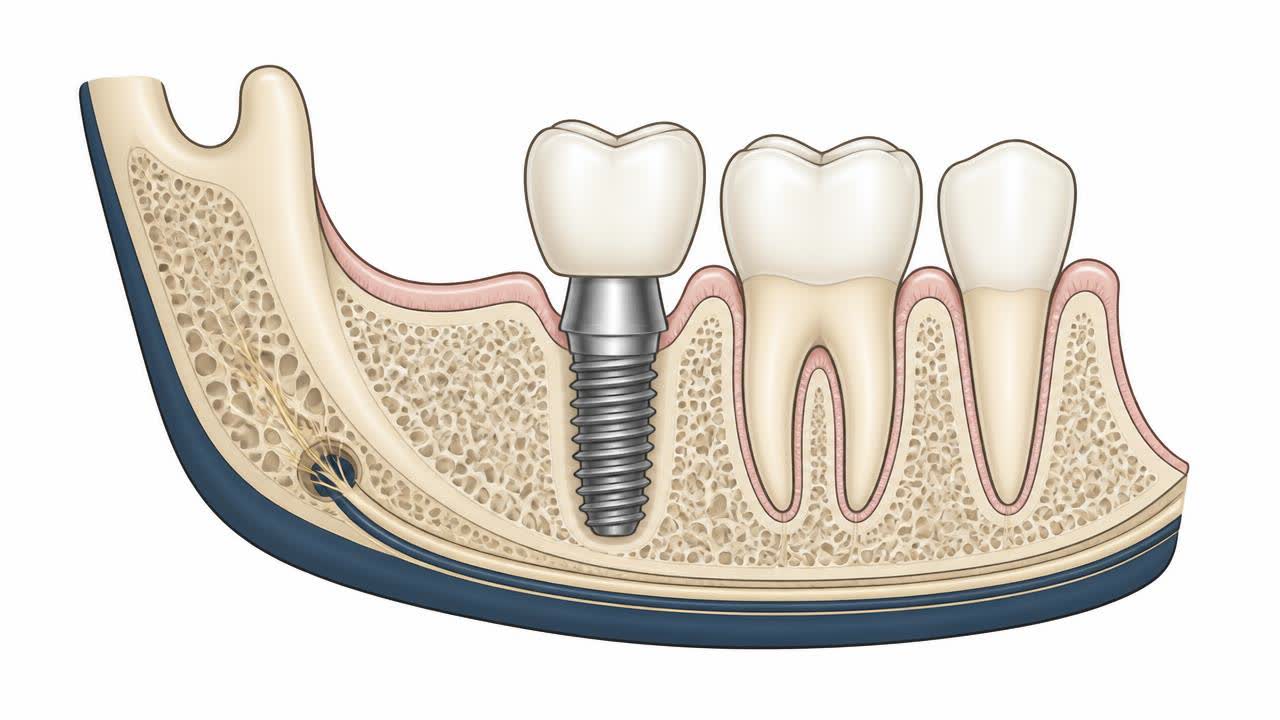
Elevated blood sugar levels impair the body's ability to heal wounds and fight infection, both of which are critical during the osseointegration period when the implant is fusing with the surrounding bone. Poor control can slow healing and increase susceptibility to post-surgical infection.
High blood sugar is also linked to an increased risk of gum disease generally, which if present at other sites in the mouth can indicate a higher baseline risk for complications like peri-implantitis around implants specifically, making thorough gum health assessment important beforehand.
Precautions Taken Before and After Surgery
Before proceeding with implants, we typically recommend liaising with your physician to confirm your blood sugar is well controlled, and may request recent HbA1c results as part of the pre-treatment medical assessment to guide safe planning.
Additional precautions may include prescribing antibiotics around the time of surgery, scheduling appointments to minimise stress on blood sugar levels, and providing very clear guidance on monitoring the healing site closely for any early signs of infection or delayed healing.
Supporting Long-Term Success
Once healed, diabetic patients with implants should maintain particularly diligent oral hygiene and attend regular professional check-ups, since the combined risk factors of diabetes and any plaque accumulation can accelerate the progression of peri-implant disease if not carefully managed.
Working collaboratively with both your physician and dental team to maintain stable blood sugar levels over the long term gives your dental implants the very best chance of functioning successfully for many years, just as they would for a non-diabetic patient.
Questions patients ask us
- Do I need my doctor's clearance before getting implants?
- It is generally advisable to have your diabetes reasonably well controlled and to share relevant recent blood test results with your dental team. In some cases we may liaise directly with your physician to ensure the timing of surgery is safe and appropriate.
- Does diabetes increase the risk of implant failure?
- Poorly controlled diabetes does increase the risk of complications and slower healing, but well-managed diabetes with good blood sugar control does not appear to significantly increase implant failure rates compared to non-diabetic patients in most published research.
- Will healing take longer if I am diabetic?
- Healing times can be somewhat longer in diabetic patients, particularly if blood sugar control is suboptimal, which is why your dentist may recommend a slightly extended healing period before loading the implant with a permanent crown to ensure adequate integration.
- Are there extra precautions during implant surgery for diabetics?
- Yes, precautions may include prophylactic antibiotics, closer post-operative monitoring, and clear instructions on wound care and warning signs to watch for, all aimed at reducing infection risk and supporting optimal healing throughout the treatment process.
Sources and further reading
Guidance from professional and public health bodies. Clinical decisions here are made on your own examination and radiographs.
- 1.ITI Treatment Guide series and consensus statements — International Team for Implantology (ITI)
- 2.Consensus reports on implant dentistry — European Association for Osseointegration
- 3.Prosthodontic and edentulous-care patient guidance — American College of Prosthodontists
- 4.Oral health — fact sheet and global status report — World Health Organization
- 5.Policy statements and oral health definitions — FDI World Dental Federation
- 6.Dental health — conditions, treatments and patient guidance — NHS (UK)
- 7.Systematic reviews of oral and dental interventions — Cochrane Oral Health
- 8.Regulatory framework and dental education standards in India — Dental Council of India
When to see us
Get examined without waiting if any of the following applies to you:
- Pain, looseness or pus around an implant or a fixed bridge
- A crown, bridge or denture that has fractured or come away
- Gum swelling that keeps returning around the same restoration
Get a written plan and cost before you commit
If this is what you are dealing with, the next step is a consultation with radiographs — implants & missing teeth cases are seen by the specialist who handles that field. You get a written plan and staged cost before anything begins.
reception@dramitsharmahospital.comThis article is general education and does not replace an in-person examination, radiographs or a diagnosis by a qualified dentist.
Clinical terms in this article
Related in Implants & Missing Teeth
Missing Teeth: Comparing Dentures, Bridges and Implant Options
What happens if a missing tooth is left unreplaced, and how dentures, bridges and implants compare on comfort, longevity and bone health.
Dental Implants: A Complete Guide
How titanium implants replace missing teeth, who qualifies, the step-by-step timeline and how long they last.
Full Mouth Rehabilitation
Rebuilding a worn, collapsed or heavily damaged dentition with a sequenced, whole-mouth treatment plan.
Peri-Implant Mucositis Symptoms and Early Intervention
Peri-implant mucositis is a plaque-induced, reversible inflammatory lesion affecting the soft tissues surrounding a dental implant without bone loss. Prompt professional debridement, risk-factor modification, and meticulous biofilm control prevent progression to irreversible peri-implantitis.
Peri-Implantitis Symptoms Bone Loss and Implant Salvage
Peri-implantitis is an inflammatory condition causing progressive marginal bone loss around dental implants. Early detection, thorough decontamination, and advanced surgical salvage techniques can arrest bone destruction, resolve inflammation, and preserve implant stability.
Root Canal Retreatment vs Tooth Extraction and Implant
This clinical guide evaluates root canal retreatment versus tooth extraction and dental implant placement. Learn about biological tooth preservation, anatomical considerations, procedural steps, longevity, recovery expectations, and diagnostic criteria to make an informed oral healthcare decision.