At a glance
- The complexity of an implant case depends on several individual factors, including the number of teeth being replaced, the quality and quantity of available bone, whether grafting or a sinus lift is required, and the specific…
- Modern implant treatment often incorporates CBCT imaging and, in more complex cases, digital guided surgery planning, both of which add valuable diagnostic accuracy and predictability to the treatment process, and reflect the…
- Implants themselves are typically made from titanium or increasingly from zirconia, each with distinct properties suited to different clinical situations, while the crown or bridge attached on top can be made from various ceramic…
- The single most influential factor in implant longevity is the patient's own oral hygiene and commitment to regular professional maintenance visits, since even the highest quality implant can develop peri-implantitis if plaque is…
- Rather than viewing implant treatment purely through an upfront cost lens, it is helpful to consider the long-term value of a well-planned, well-maintained implant, which can function reliably for many years or even decades…
Factors That Influence Treatment Complexity
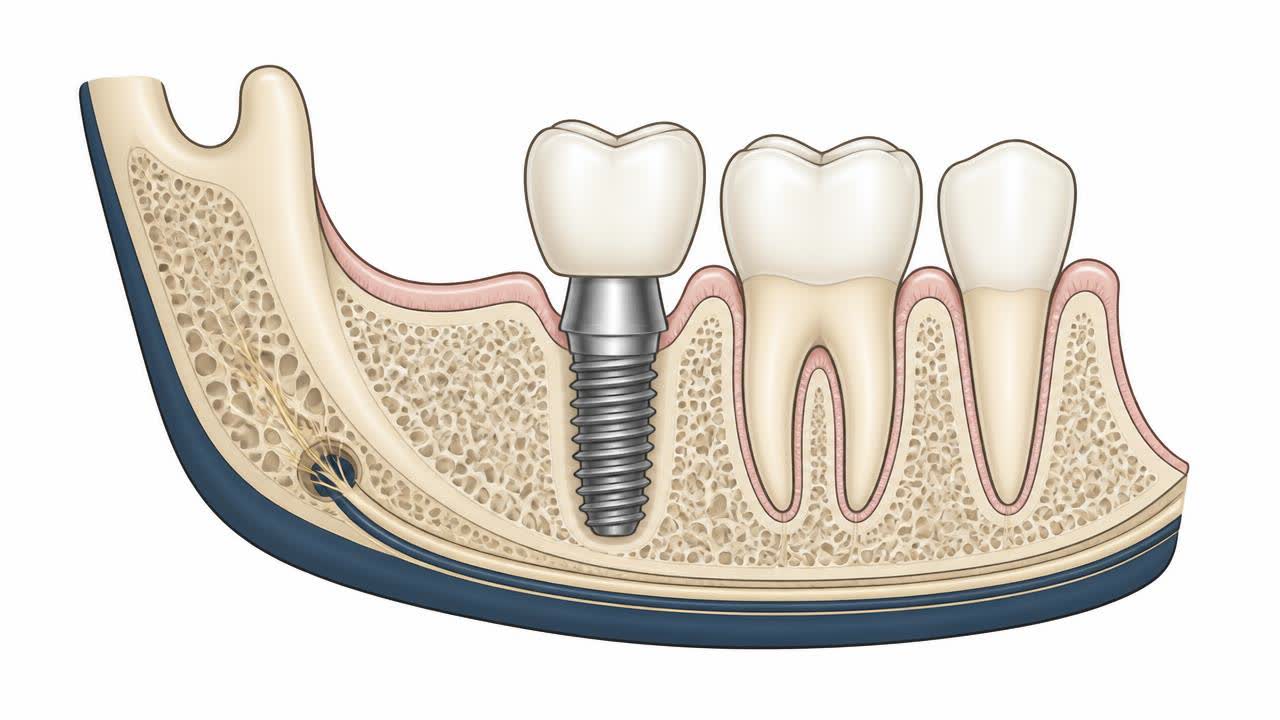
The complexity of an implant case depends on several individual factors, including the number of teeth being replaced, the quality and quantity of available bone, whether grafting or a sinus lift is required, and the specific materials chosen for the implant and final crown or bridge.
Full arch solutions such as All-on-4 or All-on-6 involve considerably more planning, materials, and clinical time than a single tooth implant, which naturally reflects the increased complexity of restoring an entire jaw rather than one isolated gap.
Diagnostic and Planning Considerations
Modern implant treatment often incorporates CBCT imaging and, in more complex cases, digital guided surgery planning, both of which add valuable diagnostic accuracy and predictability to the treatment process, and reflect the technology and expertise involved in delivering a safe, precise outcome.
The experience and training of the treating implantologist, along with the quality of the dental laboratory fabricating the final crown or bridge, also contribute meaningfully to the overall value and long-term reliability of the completed treatment.
Material Choices and Their Role
Implants themselves are typically made from titanium or increasingly from zirconia, each with distinct properties suited to different clinical situations, while the crown or bridge attached on top can be made from various ceramic materials chosen based on aesthetics, strength, and location in the mouth.
Higher quality materials and internationally recognised implant brands with strong long-term clinical research backing are generally associated with more predictable outcomes, which is an important factor for patients to discuss with their dentist during treatment planning.
Making an Informed, Long-Term Decision
Rather than viewing implant treatment purely through an upfront cost lens, it is helpful to consider the long-term value of a well-planned, well-maintained implant, which can function reliably for many years or even decades compared to solutions that may require more frequent replacement or adjustment.
We always encourage patients to ask detailed questions about the specific implant system, materials, and diagnostic technology being used, as well as the expected maintenance schedule, so they can make a fully informed decision suited to their oral health needs and personal circumstances.
What Determines How Long an Implant Lasts
The single most influential factor in implant longevity is the patient's own oral hygiene and commitment to regular professional maintenance visits, since even the highest quality implant can develop peri-implantitis if plaque is allowed to accumulate around it over years.
Other important factors include whether underlying conditions like diabetes or smoking are well managed, whether excessive bite forces from grinding are controlled with a night guard where needed, and whether any early signs of complications are addressed promptly rather than ignored.
Questions patients ask us
- Why do implant cases vary so much in complexity?
- Complexity varies based on the number of teeth being replaced, the amount of available bone, whether additional procedures like grafting or a sinus lift are needed, and the materials and technology used in planning and fabricating the final restoration.
- Does a more expensive implant system mean it is better?
- Not necessarily by price alone, but implant systems with strong long-term clinical research and an established track record are generally associated with more predictable outcomes. It is worth discussing the specific system your dentist recommends and why.
- How long can a well-maintained implant realistically last?
- With diligent oral hygiene, regular professional check-ups, and management of any risk factors like smoking or uncontrolled diabetes, dental implants can often function successfully for several decades, though individual results vary based on overall oral and general health.
- What ongoing costs should I expect after implant placement?
- Beyond the initial treatment, ongoing costs typically include routine six-monthly check-ups and professional cleanings, occasional X-rays to monitor bone levels, and, in rare cases, adjustment or replacement of the crown or attachment components after many years of normal wear.
Sources and further reading
Guidance from professional and public health bodies. Clinical decisions here are made on your own examination and radiographs.
- 1.ITI Treatment Guide series and consensus statements — International Team for Implantology (ITI)
- 2.Consensus reports on implant dentistry — European Association for Osseointegration
- 3.Prosthodontic and edentulous-care patient guidance — American College of Prosthodontists
- 4.Oral health — fact sheet and global status report — World Health Organization
- 5.Policy statements and oral health definitions — FDI World Dental Federation
- 6.Dental health — conditions, treatments and patient guidance — NHS (UK)
- 7.Systematic reviews of oral and dental interventions — Cochrane Oral Health
- 8.Regulatory framework and dental education standards in India — Dental Council of India
When to see us
Get examined without waiting if any of the following applies to you:
- Pain, looseness or pus around an implant or a fixed bridge
- A crown, bridge or denture that has fractured or come away
- Gum swelling that keeps returning around the same restoration
Get a written plan and cost before you commit
If this is what you are dealing with, the next step is a consultation with radiographs — implants & missing teeth cases are seen by the specialist who handles that field. You get a written plan and staged cost before anything begins.
reception@dramitsharmahospital.comThis article is general education and does not replace an in-person examination, radiographs or a diagnosis by a qualified dentist.
Clinical terms in this article
Related in Implants & Missing Teeth
Missing Teeth: Comparing Dentures, Bridges and Implant Options
What happens if a missing tooth is left unreplaced, and how dentures, bridges and implants compare on comfort, longevity and bone health.
Dental Implants: A Complete Guide
How titanium implants replace missing teeth, who qualifies, the step-by-step timeline and how long they last.
Full Mouth Rehabilitation
Rebuilding a worn, collapsed or heavily damaged dentition with a sequenced, whole-mouth treatment plan.
Peri-Implant Mucositis Symptoms and Early Intervention
Peri-implant mucositis is a plaque-induced, reversible inflammatory lesion affecting the soft tissues surrounding a dental implant without bone loss. Prompt professional debridement, risk-factor modification, and meticulous biofilm control prevent progression to irreversible peri-implantitis.
Peri-Implantitis Symptoms Bone Loss and Implant Salvage
Peri-implantitis is an inflammatory condition causing progressive marginal bone loss around dental implants. Early detection, thorough decontamination, and advanced surgical salvage techniques can arrest bone destruction, resolve inflammation, and preserve implant stability.
Root Canal Retreatment vs Tooth Extraction and Implant
This clinical guide evaluates root canal retreatment versus tooth extraction and dental implant placement. Learn about biological tooth preservation, anatomical considerations, procedural steps, longevity, recovery expectations, and diagnostic criteria to make an informed oral healthcare decision.