At a glance
- A dental abscess is a localised collection of pus caused by a bacterial infection, most commonly arising from untreated tooth decay, a cracked tooth, or advanced gum disease.
- The hallmark symptom of a dental abscess is severe, throbbing pain that may worsen when lying down or chewing, sometimes radiating to the ear, jaw, or neck.
- Initial treatment focuses on relieving pain and controlling the infection, which usually involves draining the abscess either through the tooth via root canal access, through a small incision in the gum, or occasionally by…
- Facial swelling that is spreading rapidly, difficulty breathing or swallowing, swelling around the eye, or a high fever accompanying a dental abscess should be treated as a dental and medical emergency requiring immediate…
What Is a Dental Abscess
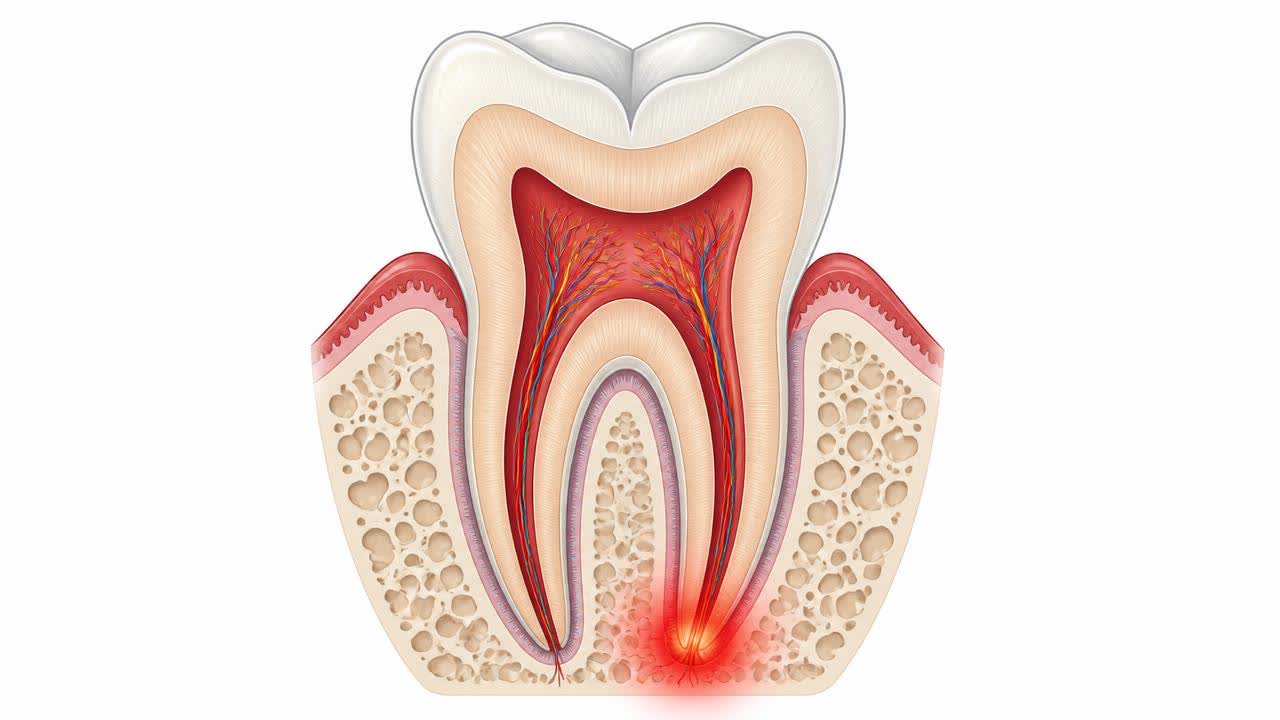
A dental abscess is a localised collection of pus caused by a bacterial infection, most commonly arising from untreated tooth decay, a cracked tooth, or advanced gum disease. The infection can form at the tip of the tooth root, known as a periapical abscess, or within the gum tissue beside a tooth, known as a periodontal abscess.
Both types cause the accumulation of pus under pressure, which is responsible for the intense throbbing pain often associated with this condition. Left untreated, the infection can spread beyond the tooth into the jaw, face, or in rare severe cases, deeper into the neck or bloodstream.
Recognising the Symptoms
The hallmark symptom of a dental abscess is severe, throbbing pain that may worsen when lying down or chewing, sometimes radiating to the ear, jaw, or neck. Other signs include swelling of the face or gum, sensitivity to hot and cold, a foul taste from draining pus, fever, and general malaise.
In more advanced cases, swelling can extend to the cheek or eye area, and there may be difficulty opening the mouth fully or swallowing, which are warning signs that require urgent attention rather than home remedies alone.
Treatment Options
Initial treatment focuses on relieving pain and controlling the infection, which usually involves draining the abscess either through the tooth via root canal access, through a small incision in the gum, or occasionally by extraction if the tooth cannot be saved. Antibiotics may be prescribed alongside drainage in cases with spreading infection or systemic symptoms such as fever, though antibiotics alone will not resolve the underlying source of infection.
Once the acute infection is controlled, definitive treatment such as root canal therapy or extraction is carried out to address the source of the problem. It is important not to rely solely on antibiotics from a local pharmacy without a proper dental evaluation, as the infection can return or worsen once medication is stopped.
When to Treat It as an Emergency
Facial swelling that is spreading rapidly, difficulty breathing or swallowing, swelling around the eye, or a high fever accompanying a dental abscess should be treated as a dental and medical emergency requiring immediate attention at a hospital equipped to manage such cases.
Dr Amit Sharma Super Speciality Dental Hospital in Jaipur is equipped to manage both routine and complex dental abscess cases, including surgical drainage when required. If you experience any of these warning signs, please contact the helpline at 9314403502 without delay.
Questions patients ask us
- Can a dental abscess go away on its own?
- A dental abscess will not resolve permanently on its own, even if it appears to drain and the pain temporarily reduces. The underlying infection remains and typically requires professional drainage and treatment of the source, such as root canal therapy or extraction, to fully resolve.
- Are antibiotics enough to treat a dental abscess?
- Antibiotics can help control the spread of infection in certain situations, but they cannot remove the source of the infection or drain the pus collection. Definitive dental treatment is almost always needed alongside or after antibiotic therapy for a lasting resolution.
- How urgent is a dental abscess with facial swelling?
- Facial swelling associated with a dental abscess should be assessed urgently, as the infection can spread further into surrounding tissues. If swelling is rapidly increasing, affecting the eye, or accompanied by fever or breathing difficulty, seek emergency care immediately.
- What can I do at home while waiting to see a dentist?
- Rinsing gently with warm salt water, taking prescribed or standard over-the-counter pain relief as advised, and avoiding chewing on the affected side can help manage discomfort temporarily, but these measures do not replace the need for prompt professional treatment.
Sources and further reading
Guidance from professional and public health bodies. Clinical decisions here are made on your own examination and radiographs.
- 1.Endodontic diagnosis terminology and treatment guidance — American Association of Endodontists
- 2.Guidelines for the management of traumatic dental injuries — International Association of Dental Traumatology
- 3.Antimicrobial prescribing for dental infection — NICE (UK)
- 4.Oral health — fact sheet and global status report — World Health Organization
- 5.Policy statements and oral health definitions — FDI World Dental Federation
- 6.Dental health — conditions, treatments and patient guidance — NHS (UK)
- 7.Systematic reviews of oral and dental interventions — Cochrane Oral Health
- 8.Regulatory framework and dental education standards in India — Dental Council of India
When to see us
Get examined without waiting if any of the following applies to you:
- Facial or neck swelling, difficulty swallowing, opening the mouth or breathing — this is an emergency
- Pain with fever, or swelling that is spreading rather than settling
- A tooth knocked out or pushed out of position after an injury — time matters
- Pain that wakes you at night or does not respond to ordinary painkillers
Get a written plan and cost before you commit
If this is what you are dealing with, the next step is a consultation with radiographs — pain & emergencies cases are seen by the specialist who handles that field. You get a written plan and staged cost before anything begins.
reception@dramitsharmahospital.comThis article is general education and does not replace an in-person examination, radiographs or a diagnosis by a qualified dentist.
Clinical terms in this article
Related in Pain & Emergencies
Tooth Pain and Sensitivity: Causes, Relief and When to See a Dentist
Why teeth hurt or react to hot and cold, the difference between everyday sensitivity and a warning sign, and what treatment usually follows.
Root Canal Treatment Explained
Why a tooth needs root canal therapy, what happens during single-sitting endodontics, and why crowns follow.
Tooth Pain and Dental Emergencies
How to identify a genuine dental emergency, what to do in the first hour, and when to call the hospital immediately.
Reversible vs Irreversible Pulpitis Symptoms and Treatment Options
Understanding reversible vs irreversible pulpitis is essential when managing dental pain. This guide explains their anatomical causes, diagnostic criteria, clinical symptoms, and evidence-based treatments ranging from conservative restorations to root canal therapy and emergency care.
Differences Between a Tooth Abscess and Gum Abscess
A dental abscess is a localised collection of pus caused by bacterial infection. Distinguishing between a tooth abscess (periapical) and a gum abscess (periodontal) is vital, as their anatomical origins, clinical presentations, diagnostic pathways, and definitive treatments differ fundamentally.
Why Tooth Pain Gets Worse When Lying Down
Experiencing toothache worse lying down typically indicates elevated pulpal or periapical pressure driven by increased cranial blood flow when supine. This guide explains pulpal anatomy, underlying causes, diagnostic pathways, evidence-based treatments, and critical red flags requiring emergency care.