At a glance
- Many parents assume that because milk teeth eventually fall out, decay in them is unimportant.
- Oral care should begin even before the first tooth erupts.
- Frequent snacking on biscuits, chocolates, and sugary beverages throughout the day is more damaging than an occasional sweet treat, because it keeps the mouth in an acidic state for longer periods.
- Regular check-ups from an early age allow the dentist to monitor eruption patterns, catch early decay before it becomes painful, and apply preventive treatments such as fluoride varnish or pit and fissure sealants once molars…
Why Baby Teeth Deserve Serious Attention
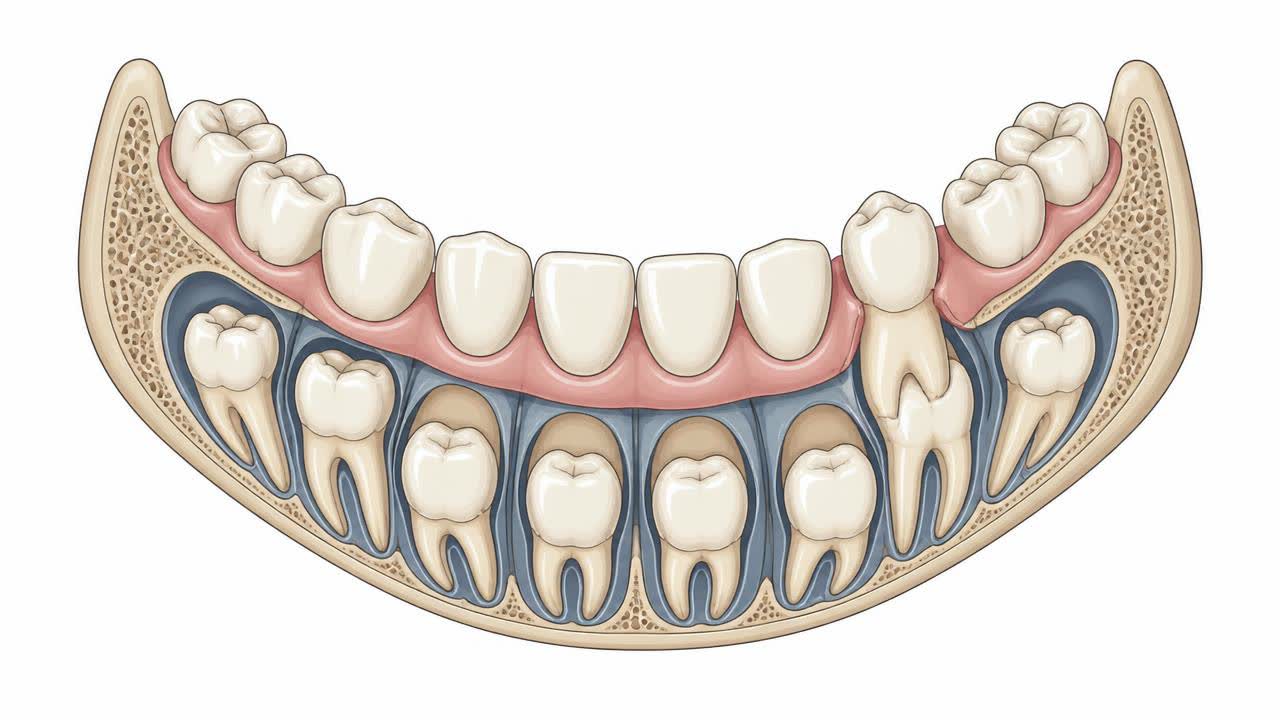
Many parents assume that because milk teeth eventually fall out, decay in them is unimportant. This is a common and costly misconception. Baby teeth hold space for the permanent teeth developing beneath the gums, guide the jaw's growth, and are essential for chewing, speech development, and a child's confidence. Untreated decay can cause pain, infection, and early tooth loss, which in turn can crowd or misalign the adult teeth that follow.
In Indian households, sugary snacks, biscuits, and sweetened milk are often given freely to young children, sometimes multiple times a day. Combined with inconsistent brushing habits, this creates fertile ground for early childhood caries. Establishing good oral hygiene routines from infancy is one of the most valuable long-term investments a parent can make in their child's health.
Cleaning Teeth From the First Tooth
Oral care should begin even before the first tooth erupts. Gently wiping an infant's gums with a clean, damp soft cloth after feeds helps remove bacteria and gets the child accustomed to having their mouth touched. Once the first tooth appears, usually between six and ten months of age, a soft-bristled, age-appropriate toothbrush should be introduced with a rice-grain smear of fluoride toothpaste for children under three.
For children aged three to six, a pea-sized amount of fluoride toothpaste is appropriate, and parents should supervise brushing to ensure the child spits out rather than swallows the paste. Brushing twice daily, morning and before bed, should become non-negotiable. Flossing can begin once two teeth touch each other, typically around age two to three, to prevent decay from forming between teeth.
The Role of Regular Dental Visits
Regular check-ups from an early age allow the dentist to monitor eruption patterns, catch early decay before it becomes painful, and apply preventive treatments such as fluoride varnish or pit and fissure sealants once molars appear. These visits also help children build a positive, fear-free relationship with dental care that carries into adulthood.
At Dr. Amit Sharma Super Speciality Dental Hospital, our paediatric dental team creates a calm, friendly environment for young patients, using age-appropriate explanations and gentle techniques so that dental visits become a comfortable part of a child's routine rather than a source of anxiety.
Diet and Habits That Protect Young Teeth
Frequent snacking on biscuits, chocolates, and sugary beverages throughout the day is more damaging than an occasional sweet treat, because it keeps the mouth in an acidic state for longer periods. Encouraging water between meals, limiting sugary foods to mealtimes, and avoiding putting a child to bed with a bottle of milk or juice significantly reduces decay risk.
Sticky Indian sweets such as chikki, laddoo, and toffees cling to tooth surfaces and are particularly cariogenic. Where possible, offer fresh fruit, nuts, or plain dairy as alternatives, and always encourage a rinse of water or brushing after indulgent treats during festivals and celebrations.
Questions patients ask us
- At what age should my child first see a dentist?
- It is recommended that a child's first dental visit take place around their first birthday, or within six months of the first tooth erupting. Early visits allow the dentist to check development, offer preventive guidance, and familiarise your child with the dental setting before problems arise.
- Is it necessary to treat cavities in baby teeth that will fall out anyway?
- Yes. Untreated cavities can cause pain, infection, and abscesses, and can damage the developing permanent tooth beneath. Early tooth loss from decay may also allow neighbouring teeth to drift, reducing space for adult teeth and leading to crowding later.
- How much fluoride toothpaste is safe for my child?
- For children under three, a rice-grain sized smear is sufficient. From three to six years, a pea-sized amount is appropriate. Always supervise brushing to minimise swallowing, and consult your dentist if you are concerned about fluoride intake from other sources such as drinking water.
- My toddler refuses to let us brush their teeth. What can we do?
- Make brushing a shared, playful routine by brushing alongside your child, using flavoured children's toothpaste, songs, or a timer. Consistency and patience matter more than perfection. If resistance continues, your paediatric dentist can offer practical techniques tailored to your child's temperament.
Sources and further reading
Guidance from professional and public health bodies. Clinical decisions here are made on your own examination and radiographs.
- 1.Best practice policies and clinical recommendations — American Academy of Pediatric Dentistry
- 2.Delivering better oral health — an evidence-based toolkit — Public Health England / OHID
- 3.Oral health — fact sheet and global status report — World Health Organization
- 4.Policy statements and oral health definitions — FDI World Dental Federation
- 5.Dental health — conditions, treatments and patient guidance — NHS (UK)
- 6.Systematic reviews of oral and dental interventions — Cochrane Oral Health
- 7.Regulatory framework and dental education standards in India — Dental Council of India
When to see us
Get examined without waiting if any of the following applies to you:
- Facial swelling, fever or refusal to eat or drink in a child — seek same-day care
- Dental injury to a child's tooth, especially if it is displaced or knocked out
- A dark or discoloured tooth, or a lump on the gum above a tooth
Get a written plan and cost before you commit
If this is what you are dealing with, the next step is a consultation with radiographs — children's dentistry cases are seen by the specialist who handles that field. You get a written plan and staged cost before anything begins.
reception@dramitsharmahospital.comThis article is general education and does not replace an in-person examination, radiographs or a diagnosis by a qualified dentist.
Clinical terms in this article
Related in Children's Dentistry
Children's Dental Care by Age
First visit timing, fluoride and sealants, why milk teeth matter, and managing dental anxiety in children.
Pulpotomy vs Pulpectomy in Baby Teeth Explained
This clinical guide clarifies the differences between a pulpotomy and a pulpectomy in primary teeth. Learn about deciduous pulp anatomy, diagnostic criteria, clinical steps, restorative crowns, post-operative care, and when emergency dental attention is necessary.
Regenerative Endodontics for Immature Teeth with Pulp Necrosis
A regenerative endodontic procedure restores vascularity and tissue vitality to immature permanent teeth affected by pulp necrosis. This evidence-based guide details diagnostic protocols, biologically based revascularisation steps, treatment comparisons, recovery expectations, and long-term tooth preservation strategies.
Apexification Procedure for Immature Permanent Teeth in Children
An apexification procedure is a specialised dental intervention designed to treat non-vital, immature permanent teeth in children. It creates a calcified apical barrier, enabling effective root canal obturation while preserving the natural tooth within the developing jaw.
Apexogenesis Procedure to Preserve Pulp Vitality in Children
Apexogenesis is a vital pulp therapy that preserves living pulp tissue in immature permanent teeth of children. By maintaining vascularity, it enables continued root lengthening, dentinal wall thickening, and natural apical closure following traumatic injury or deep decay.
Palatal Expanders for Children: How Rapid Palatal Expansion Works
A clinical guide to rapid palatal expansion in children. Learn how a palate expander for kids corrects transverse maxillary constriction, posterior crossbites, and severe crowding before midpalatal suture fusion during natural skeletal development.