At a glance
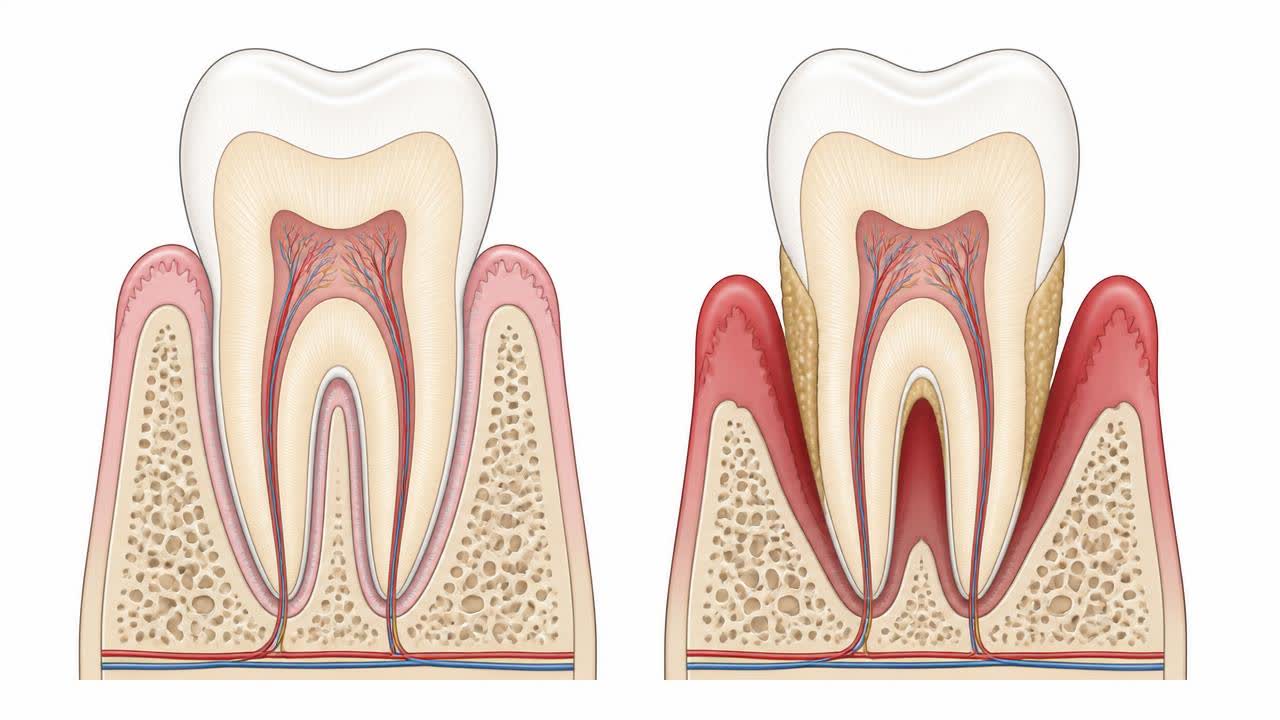
- Gum recession occurs when the gum tissue surrounding your teeth pulls back, exposing more of the tooth or its root.
- The symptoms of recession often appear gradually, which is why they are frequently ignored until they become more noticeable.
- For mild cases, the primary goal is to address the underlying cause of the recession.
- When recession is advanced and aesthetic or sensitivity concerns are significant, surgical options may be required to restore the gum line.
- Once your gum health has been stabilised or restored, maintaining a consistent routine is vital to prevent future recession.
What Causes Gum Recession?
Gum recession occurs when the gum tissue surrounding your teeth pulls back, exposing more of the tooth or its root. Several factors contribute to this condition, with periodontal disease being the most common cause. When gums are chronically inflamed due to bacterial infection, they naturally begin to detach and move away from the tooth surface, creating vulnerable areas that are highly sensitive to temperature and prone to further decay.
Other factors include aggressive brushing habits, genetic predisposition, and mechanical trauma from heavy tooth grinding. Smoking and tobacco use also severely restrict blood flow to the gums, hindering their ability to repair themselves and causing the tissue to recede. Understanding the specific cause of your recession is the first step in our clinic's approach to arresting the progression and helping your gums regain a healthier position.
Recognising the Early Symptoms
The symptoms of recession often appear gradually, which is why they are frequently ignored until they become more noticeable. Initial signs include increased tooth sensitivity, especially to cold or hot stimuli, as the protective layer of the tooth root is now exposed. You may also observe that your teeth appear longer than they once did, or you might feel a small notch along the gum line when running your tongue over your teeth.
Early identification allows for more conservative and effective treatment options. If you notice any of these signs, please reach out to Dr. Amit Sharma Super Speciality Dental Hospital for a consultation. By acting early, we can often stop the recession from worsening and prevent more extensive procedures. We focus on diagnosing the underlying cause and providing solutions that protect your tooth roots and restore your gum comfort.
Conservative Management Approaches
For mild cases, the primary goal is to address the underlying cause of the recession. If aggressive brushing is identified as the culprit, we will teach you gentler, more effective cleaning techniques. We may also recommend desensitising agents or special toothpastes to alleviate root sensitivity. By stopping the mechanical trauma, the gum tissue is given the best chance to remain stable and avoid further loss of attachment.
Professional hygiene sessions are also crucial to keep the exposed root surfaces clean and free of plaque. We monitor your progress regularly to ensure that the recession has halted. In cases where gum disease is the driver, deep cleaning (scaling and root planning) is necessary to clear the infection and inflammation, allowing the remaining tissue to adhere more effectively to the tooth structure.
Surgical Options for Restoration
When recession is advanced and aesthetic or sensitivity concerns are significant, surgical options may be required to restore the gum line. Procedures such as gum grafting can replace the missing tissue using a small sample from the roof of your mouth or a donor source. This not only protects the exposed root from decay but also provides a more uniform, aesthetic gum line that enhances the overall appearance of your smile.
Our surgical team is highly experienced in these delicate procedures, focusing on patient comfort and predictable outcomes. We discuss the benefits, risks, and recovery process in detail during your consultation to ensure you feel informed and confident about your treatment plan. Modern techniques have made these procedures much more comfortable, allowing us to successfully repair gum recession and safeguard your long-term oral health and tooth integrity.
Long-Term Prevention and Maintenance
Once your gum health has been stabilised or restored, maintaining a consistent routine is vital to prevent future recession. This includes daily gentle brushing with a soft-bristled brush, regular flossing, and adherence to your recommended professional maintenance schedule. Because gum tissue is delicate, protecting it from mechanical and bacterial harm is a lifelong commitment that ensures the longevity of your natural teeth and your overall dental health.
At our clinic, we view our patients as partners in their care. We provide the tools, education, and professional services needed to keep your gums healthy. If you have concerns about recession or notice changes in your gum line, our doors are open. We offer expert assessment and compassionate treatment, helping you maintain a healthy, beautiful smile for the long term. Contact our helpline to book your appointment today.
Questions patients ask us
- Can gum tissue grow back on its own?
- Unfortunately, gum tissue does not regenerate once it has receded. Treatment focuses on stopping the recession from getting worse and, in some cases, using grafting procedures to restore the gum tissue surgically. Early detection is key to preventing significant loss of gum support.
- Does aggressive brushing really cause gum recession?
- Yes, scrubbing your teeth too hard with a stiff brush can cause the gums to pull away from the tooth surface over time. This is a common form of mechanical trauma. We recommend using a soft-bristled toothbrush with a gentle, circular motion to protect your gums.
- Why do my teeth feel sensitive after recession?
- The roots of your teeth are covered by a layer called cementum, which is softer than the enamel on your crown. When gums recede, this sensitive root surface becomes exposed, allowing hot, cold, or sweet stimuli to reach the nerves inside your teeth, causing discomfort.
- Are there non-surgical ways to treat receding gums?
- Yes, for early-stage recession, we focus on identifying the cause, such as incorrect brushing, and managing it. We also use professional cleanings to ensure plaque doesn't accumulate on the sensitive exposed roots, preventing further inflammation that could accelerate the recession process.
Sources and further reading
Guidance from professional and public health bodies. Clinical decisions here are made on your own examination and radiographs.
- 1.EFP clinical practice guidelines for periodontitis — European Federation of Periodontology
- 2.Classification of periodontal and peri-implant diseases — American Academy of Periodontology
- 3.Prevention and treatment of periodontal diseases in practice — Scottish Dental Clinical Effectiveness Programme
- 4.Oral health — fact sheet and global status report — World Health Organization
- 5.Policy statements and oral health definitions — FDI World Dental Federation
- 6.Dental health — conditions, treatments and patient guidance — NHS (UK)
- 7.Systematic reviews of oral and dental interventions — Cochrane Oral Health
- 8.Regulatory framework and dental education standards in India — Dental Council of India
When to see us
Get examined without waiting if any of the following applies to you:
- Gums that bleed without provocation, or bleeding that has become heavier
- Teeth that feel loose, are drifting, or gaps that are opening up
- Persistent bad breath or taste, gum abscesses, or pus on pressing the gum
Get a written plan and cost before you commit
If this is what you are dealing with, the next step is a consultation with radiographs — gums & prevention cases are seen by the specialist who handles that field. You get a written plan and staged cost before anything begins.
reception@dramitsharmahospital.comThis article is general education and does not replace an in-person examination, radiographs or a diagnosis by a qualified dentist.
Clinical terms in this article
Related in Gums & Prevention
Bleeding Gums and Gum Disease: A Complete Guide
What bleeding gums usually mean, how gingivitis progresses into periodontal disease, and the treatment path from scaling to gum surgery.
Gum Disease: Detection and Treatment
From reversible gingivitis to periodontitis, the warning signs, staged treatment and the link to overall health.
Preventive Dentistry and Home Care
The routine that prevents most dental disease: brushing technique, interdental cleaning, diet and recall visits.
Chronic Bad Breath Caused by Gum Infection
Chronic bad breath, or halitosis, is frequently driven by underlying gum disease. Subgingival bacteria produce volatile sulphur compounds within periodontal pockets. Effective resolution requires professional periodontal debridement, targeted biofilm disruption, and meticulous daily interdental hygiene rather than cosmetic masking.
Loose Permanent Teeth from Advanced Periodontal Disease
Loose teeth from advanced gum disease occur when severe chronic inflammation destroys the supporting alveolar bone and periodontal ligament. With timely periodontal therapy, splinting, and meticulous plaque control, many loose teeth can be stabilised and preserved without extraction.
Furcation Involvement and Bone Loss Between Roots
Furcation involvement describes bone loss between the roots of multi-rooted molars caused by advanced periodontal disease. This clinical guide explains its causes, diagnostic staging, surgical and non-surgical therapies, daily maintenance, and red flag symptoms requiring urgent care.