At a glance
- Orthodontic therapy relies on the controlled application of mechanical force to remodel alveolar bone and correct malocclusion.
- The pathological basis of nickel sensitivity is a delayed-type, cell-mediated immunological response known as a Type IV hypersensitivity reaction.
- The clinical presentation of intraoral nickel contact hypersensitivity is notoriously variable, ranging from subclinical erythema to severe mucosal ulceration.
- Definitive diagnosis requires a rigorous clinical history combined with dermatological patch testing.
- When managing patients with verified nickel allergy braces alternatives are essential for predictable, biocompatible treatment.
Understanding Nickel Hypersensitivity in Orthodontic Treatment
Orthodontic therapy relies on the controlled application of mechanical force to remodel alveolar bone and correct malocclusion. Traditional fixed appliances utilise metallic components manufactured from austenitic stainless steel and nickel-titanium (NiTi) alloys. Stainless steel typically contains approximately eight percent nickel, whereas superelastic NiTi wires comprise roughly fifty to fifty-five percent nickel by weight. Although these materials possess excellent mechanical resilience, elasticity, and shape memory, the continuous exposure of oral mucosa to trace nickel ion release can precipitate immunological reactions in susceptible patients.
Nickel hypersensitivity represents an immunologically mediated adverse tissue response rather than mechanical irritation. In the oral environment, saliva acts as an electrolyte, facilitating galvanic corrosion and the progressive release of free nickel ions from brackets, archwires, molar bands, and auxiliary springs. While the oral mucosa exhibits a naturally higher threshold of tolerance than cutaneous tissue—partly due to vascular clearance, the protective barrier of salivary mucins, and dilution by saliva—sensitised individuals can still mount significant localised or systemic inflammatory responses requiring intervention.
Diagnostic Assessment and Differential Diagnosis
Definitive diagnosis requires a rigorous clinical history combined with dermatological patch testing. A thorough dental history must evaluate the temporal relationship between appliance insertion and symptom onset. When suspected, patients should be referred to a dermatologist or clinical allergist for epicutaneous patch testing using standardised concentrations of nickel sulphate in petrolatum. The presence of a localized erythematous, indurated, or vesicular reaction at forty-eight and ninety-six hours confirms cutaneous Type IV hypersensitivity, guiding the selection of hypoallergenic materials.
Clinicians must carefully differentiate nickel hypersensitivity from other common oral conditions. Plaque-induced gingivitis presents with bleeding and marginal swelling but resolves rapidly with mechanical debridement, whereas allergic gingival hyperplasia persists despite optimal plaque control. Mechanical trauma from prominent wire ends or sharp bracket wings produces discrete, localized traumatic ulcers without generalised mucosal erythema. Additionally, allergic contact reactions to methacrylate monomers in orthodontic bonding resins or composite materials must be ruled out through appropriate diagnostic profiling.
Clinical Presentation: Intraoral and Extraoral Symptoms
The clinical presentation of intraoral nickel contact hypersensitivity is notoriously variable, ranging from subclinical erythema to severe mucosal ulceration. The most frequent intraoral sign is contact stomatitis, characterised by patchy mucosal redness, burning sensations, and loss of filiform papillae on the dorsal tongue if appliances contact it directly. Patients frequently exhibit persistent, non-plaque-induced gingival hyperplasia, where the marginal gingiva adjacent to nickel-containing brackets becomes oedematous, hyperaemic, and bleeds easily upon gentle probing despite meticulous oral hygiene.
Extraoral and perioral manifestations may develop simultaneously or independently of intraoral signs. Angular cheilitis—painful cracking and erythema at the labial commissures—is common when saliva containing eluted nickel ions pools at the corners of the mouth. Patients may also present with widespread perioral dermatitis, characterised by a papulovesicular rash around the lips, or distant dermatological flares resembling widespread eczema on the neck, wrists, or inner thighs due to systemic distribution of ingested or absorbed metal ions.
Hypoallergenic Bracket and Appliance Solutions
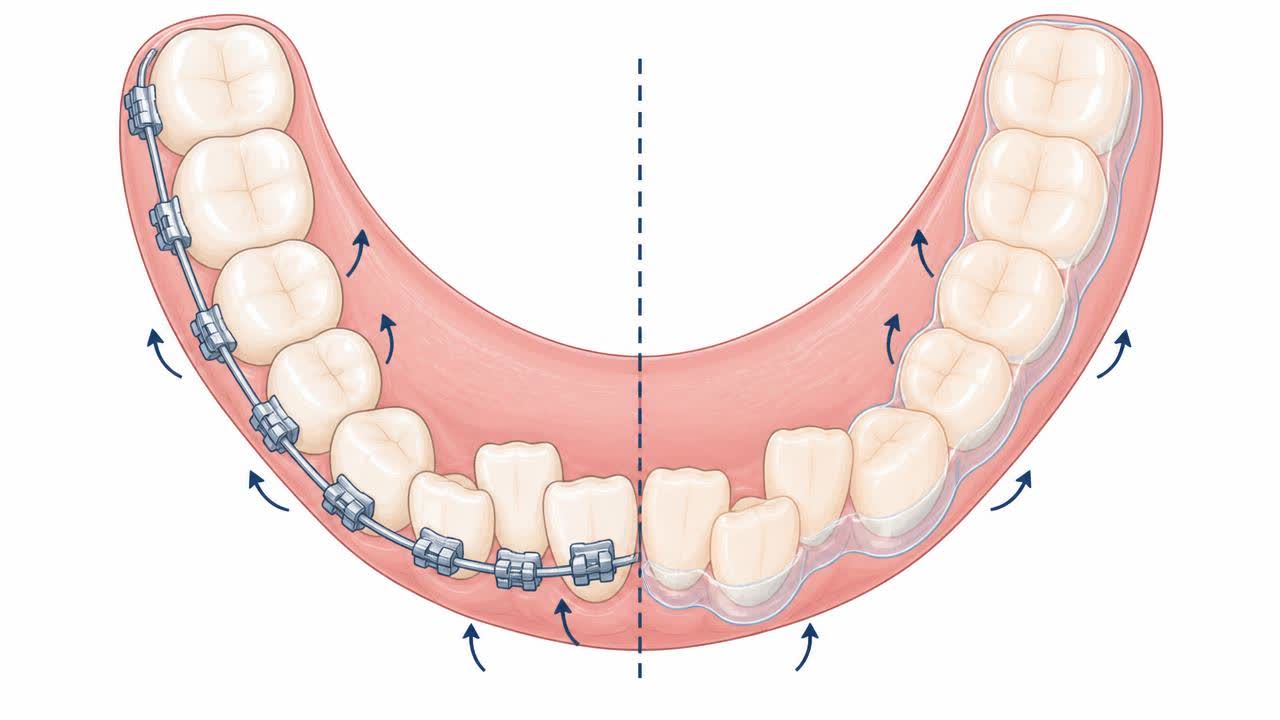
When managing patients with verified nickel allergy braces alternatives are essential for predictable, biocompatible treatment. Ceramic brackets manufactured from polycrystalline or monocrystalline aluminium oxide (sapphire) provide a completely inert, non-metallic alternative. These brackets do not release metal ions, offer superior aesthetics, and eliminate allergic contact stomatitis. However, clinicians must manage their higher brittleness and increased frictional resistance along the archwire slot during space closure, as well as the risk of enamel wear on opposing teeth.
Commercially pure titanium (Grade 2 or Grade 4) brackets represent another robust alternative. Titanium forms a stable, passivating titanium dioxide surface oxide layer that resists oral corrosion and exhibits exceptional biocompatibility. Alternatively, polycarbonate and composite polymer brackets offer metal-free options, though they may experience slot deformation under heavy torque forces. Removable clear aligner systems made of medical-grade polyurethane or polyethylene polymers completely circumvent fixed metal brackets, offering a completely nickel-free appliance ecosystem provided auxiliary attachment materials are also non-metallic.
Hypoallergenic Archwire Selections and Biomechanics
Selecting appropriate archwires requires balancing hypoallergenic properties with mechanical performance. Traditional NiTi wires are contraindicated in severely sensitised patients. Beta-titanium archwires, widely known as Titanium-Molybdenum Alloys (TMA), contain no nickel and serve as the standard hypoallergenic substitute for intermediate and finishing mechanics. TMA wires deliver moderate force levels, possess good formability for clinician-placed adjustments, and demonstrate high corrosion resistance, making them exceptionally biocompatible across extended treatment phases.
For initial levelling and aligning phases where flexible, low-load deflection is mandatory, clinicians can employ pure titanium archwires, multi-strand stainless steel wires with low nickel release, or fibre-reinforced composite archwires. Surface-coated wires—featuring polytetrafluoroethylene (PTFE), epoxy resins, or rhodium plating over a metallic core—can reduce ion release temporarily. However, mechanical friction and intraoral abrasion often degrade these aesthetic coatings over time, exposing the underlying alloy; hence, solid, uncoated non-nickel alloys remain the gold standard for long-term patient safety.
Step-by-Step Clinical Protocol for Nickel-Safe Treatment
The clinical protocol begins with comprehensive pre-treatment screening. Clinicians document history of metal contact dermatitis, previous reactions to jewellery, or unexplained mucosal sensitivities. If hypersensitivity is confirmed, the orthodontic inventory is strictly audited to exclude nickel-bearing components. This includes replacing conventional stainless steel molar bands with direct-bonded composite or ceramic molar tubes, eliminating nickel-containing transpalatal arches, and selecting titanium or ceramic bracket systems across both dental arches.
During active bonding and adjustment appointments, all auxiliary components must be rigorously verified. Clinicians substitute stainless steel ligature wires with high-grade, biocompatible elastomeric ties or self-ligating ceramic and titanium bracket clips. Nickel-containing coil springs used for space opening or closure are replaced with elastomeric power chains, beta-titanium closing loops, or titanium spring mechanisms. Intraoral instruments such as debonding pliers or ligature directors should be maintained in optimal condition to prevent galvanic contamination or mechanical transfer of trace metals to the appliance surfaces.
Evidence and further reading
The British Orthodontic Society, the American Journal of Orthodontics and Dentofacial Orthopedics, and the European Journal of Orthodontics consistently emphasize that while the oral mucosa is relatively resistant to nickel-induced contact stomatitis, pre-sensitised individuals require tailored clinical protocols. Consensus guidelines support the use of ceramic, pure titanium, and polymer-based appliances in diagnosed patients, alongside clear aligner therapy as an effective alternative modality.
Systematic reviews in leading dental publications, including Cochrane reviews and the Journal of Orofacial Orthopedics, confirm that salivary corrosion is multifactorial, heavily influenced by intraoral pH, biofilm maturity, and alloy microstructure. Clinical authorities recommend pre-treatment patch testing whenever a clear history of cutaneous metal allergy is disclosed, ensuring treatment plans are individualised to mitigate biological risks while maintaining biomechanical efficacy throughout tooth movement.
Biological Mechanisms and Predisposing Risk Factors
The pathological basis of nickel sensitivity is a delayed-type, cell-mediated immunological response known as a Type IV hypersensitivity reaction. Free nickel ions function as haptens—small chemical moieties that are not immunogenic on their own. Upon leaching from metallic appliances, these ions diffuse through the stratified squamous epithelium of the oral cavity and bind to endogenous carrier proteins. Antigen-presenting Langerhans cells internalise these nickel-protein complexes, process them, and present them via Major Histocompatibility Complex molecules to naive T-lymphocytes, thereby inducing immunological sensitisation.
A primary predisposing risk factor for developing intraoral nickel allergy is prior cutaneous sensitisation, most commonly acquired through dermal exposure to cheap costume jewellery, body piercings, metal watch straps, or metallic garment fasteners. Epidemiological data indicates a significantly higher prevalence of nickel sensitisation among females, largely attributed to early cutaneous piercing practices. Additional systemic factors influencing corrosion rates include salivary pH fluctuations, the presence of acidic dietary components, bacterial biofilm accumulation, and galvanic coupling between dissimilar intraoral metals.
Managing Adverse Reactions, Diet, and Oral Maintenance
If a patient experiences an acute allergic flare during active therapy, rapid clinical management is essential. Mild gingival or mucosal inflammation may be managed initially with topical corticosteroid pastes (such as triamcinolone acetonide in an adhesive base) applied directly to the affected tissues, alongside warm saline rinses to reduce local discomfort. If symptoms persist or worsen despite anti-inflammatory therapy, the offending nickel-containing archwires, brackets, or auxiliaries must be promptly debonded and replaced with certified hypoallergenic alternatives.
Patient maintenance protocols play a pivotal role in minimising ion leaching. Acidic dietary habits, including frequent consumption of citrus fruits, carbonated beverages, or acidic condiments, can lower salivary pH and accelerate alloy corrosion. Patients are advised to moderate dietary acid intake and avoid using highly fluoridated, low-pH toothpastes or mouthwashes, which can destabilise the protective oxide films on metallic appliances. Consistent, meticulous mechanical plaque removal prevents the formation of localized acidic microenvironments produced by anaerobic bacteria.
Urgent Clinical Symptoms and Red Flag Indicators
While most intraoral nickel reactions remain confined to localised mucositis and gingival hyperplasia, patients must be educated on red flag symptoms that necessitate immediate emergency assessment. Rapidly developing angioedema—characterised by swelling of the lips, tongue, floor of the mouth, or pharyngeal tissues—represents an airway emergency requiring urgent medical evaluation and intervention with systemic antihistamines, corticosteroids, or adrenaline as clinically indicated.
Additional urgent presentations include extensive, painful mucosal sloughing, severe widespread intraoral ulceration that prevents adequate hydration and nutrition, and signs of secondary bacterial infection such as purulent discharge, facial cellulitis, or systemic pyrexia. Patients experiencing persistent extraoral exfoliative dermatitis or acute breathing difficulties must contact emergency medical services immediately. Routine mild gingival tenderness or localized bracket rubbing, conversely, can be managed during standard clinic hours using orthodontic relief wax and supportive care.
Questions patients ask us
- How do I know if I am allergic to my braces?
- Symptoms of a nickel allergy include persistent redness, swelling, or bleeding of the gums despite thorough cleaning, burning sensations on the tongue or cheeks, mouth ulcers, and cracked corners of the mouth. Some individuals develop extraoral rashes around the lips, neck, or wrists. A clinical examination and dermatological patch test can confirm the diagnosis.
- What are the best nickel allergy braces alternatives available?
- The primary alternatives are polycrystalline or monocrystalline ceramic brackets, commercially pure titanium brackets, and clear aligner systems made from medical-grade polymers. For wires, clinicians use beta-titanium (TMA), pure titanium, or specialized fibre-reinforced composite archwires, completely eliminating nickel exposure while ensuring effective orthodontic tooth movement.
- Can I still use clear aligners if I have a severe nickel allergy?
- Yes. Clear aligners are an excellent option for nickel-sensitive individuals because the trays are manufactured from medical-grade plastics like polyurethane or polyethylene. To ensure total safety, your orthodontist will also ensure that any auxiliary attachments, buttons, or intermaxillary elastics used during your treatment are entirely metal-free.
- Do ceramic brackets contain any nickel at all?
- Ceramic brackets are manufactured from pure aluminium oxide and contain no nickel. However, standard ceramic bracket systems often use stainless steel archwires and metal clips. If you have an allergy, your clinician will combine ceramic brackets with nickel-free archwires (such as beta-titanium) and elastomeric ties to keep the entire system hypoallergenic.
- Are titanium brackets just as strong as regular metal braces?
- Yes. Commercially pure titanium and titanium alloys possess high tensile strength, excellent fracture toughness, and superior biocompatibility. They perform identically to traditional stainless steel brackets in terms of force delivery and tooth movement, while forming an inert oxide layer that prevents metal ion leaching into the mouth.
- Why did my allergy symptoms only appear several months into treatment?
- Delayed symptoms can occur because nickel ions leach gradually over time as appliances are exposed to salivary electrolytes, dietary acids, and mechanical friction. Additionally, Type IV hypersensitivity requires a period of immunological sensitisation before T-cells mount a visible inflammatory response, which can take weeks or months to manifest clinically.
- Does having an ear piercing allergy mean I cannot have standard braces?
- A skin reaction to earrings indicates cutaneous nickel sensitisation. While the oral mucosa has a higher biological tolerance than skin, having a piercing reaction substantially raises your risk of intraoral symptoms. You should inform your orthodontist before treatment begins so they can consider patch testing or hypoallergenic materials.
- Are hypoallergenic braces more expensive or slower at moving teeth?
- Hypoallergenic appliances such as ceramic brackets, titanium systems, and beta-titanium wires deliver equivalent biomechanical force and achieve comparable treatment times to traditional appliances. While material costs for specialised ceramic or titanium components may be slightly higher, clinical efficiency and alignment outcomes remain fully comparable.
Sources and further reading
Guidance from professional and public health bodies. Clinical decisions here are made on your own examination and radiographs.
- 1.Orthodontic treatment and retention — patient resources — American Association of Orthodontists
- 2.Patient information leaflets on appliances and retention — British Orthodontic Society
- 3.Oral health — fact sheet and global status report — World Health Organization
- 4.Policy statements and oral health definitions — FDI World Dental Federation
- 5.Dental health — conditions, treatments and patient guidance — NHS (UK)
- 6.Systematic reviews of oral and dental interventions — Cochrane Oral Health
- 7.Regulatory framework and dental education standards in India — Dental Council of India
When to see us
Get examined without waiting if any of the following applies to you:
- A broken bracket, poking wire or appliance causing ulceration
- A tooth that becomes painful, loose or discoloured during treatment
- Jaw joint pain, locking or a bite that has changed suddenly
Get a written plan and cost before you commit
If this is what you are dealing with, the next step is a consultation with radiographs — orthodontics cases are seen by the specialist who handles that field. You get a written plan and staged cost before anything begins.
reception@dramitsharmahospital.comThis article is general education and does not replace an in-person examination, radiographs or a diagnosis by a qualified dentist.
Clinical terms in this article
Related in Orthodontics
Aligners and Braces: Choosing the Right Option
Metal, ceramic and clear aligner treatment compared, duration, visibility, cost and suitability.
Tooth Extraction for Braces or Severe Crowding Issues
Orthodontic extractions involve the planned removal of select teeth to resolve severe crowding, correct bimaxillary protrusion, and balance dentoalveolar proportions. This clinical guide details diagnostic indications, extraction patterns, procedural steps, recovery, risks, and evidence-based non-extraction alternatives.
Maxillary Osteotomy for Open Bite Alignment and Correction
Maxillary osteotomy for open bite corrects severe vertical skeletal discrepancies through surgical repositioning of the upper jaw. Combined with orthodontics, this procedure restores chewing function, improves speech articulation, and ensures long-term occlusal and facial stability.
Surgically Assisted Rapid Palatal Expansion for Adult Palate Widening
Surgically assisted rapid palatal expansion (SARPE) is a combined orthodontic and surgical treatment designed to correct severe transverse maxillary deficiency in skeletally mature adults, widening the narrow upper jaw to restore functional occlusion, stability, and airway volume.
Surgical Exposure and Bracket Bonding for Impacted Canine Teeth
This clinical guide details impacted canine exposure surgery and bracket bonding. It explains anatomical causes, CBCT diagnostic pathways, open versus closed surgical techniques, orthodontic traction mechanisms, recovery protocols, and evidence-based strategies to manage complications.
Overbite vs Overjet: Key Differences and Correction Methods
This clinical guide clarifies the distinction between overbite (vertical overlap) and overjet (horizontal protrusion). It examines their aetiology, diagnostic pathways, classification, and evidence-based orthodontic and surgical correction methods across paediatric and adult populations.