At a glance
- Laser Assisted Periodontal Therapy (LAPT) is a cutting-edge approach to treating gum disease.
- One of the key benefits of laser therapy is its ability to stimulate the body's natural healing mechanisms.
- Before the procedure, we perform a thorough assessment to determine if laser therapy is the right choice for your specific case.
- Laser therapy is often preferred because it avoids the need for cutting or suturing gum tissue.
- The success of any periodontal therapy, including laser-assisted treatments, relies on your long-term maintenance.
The Science of Dental Lasers
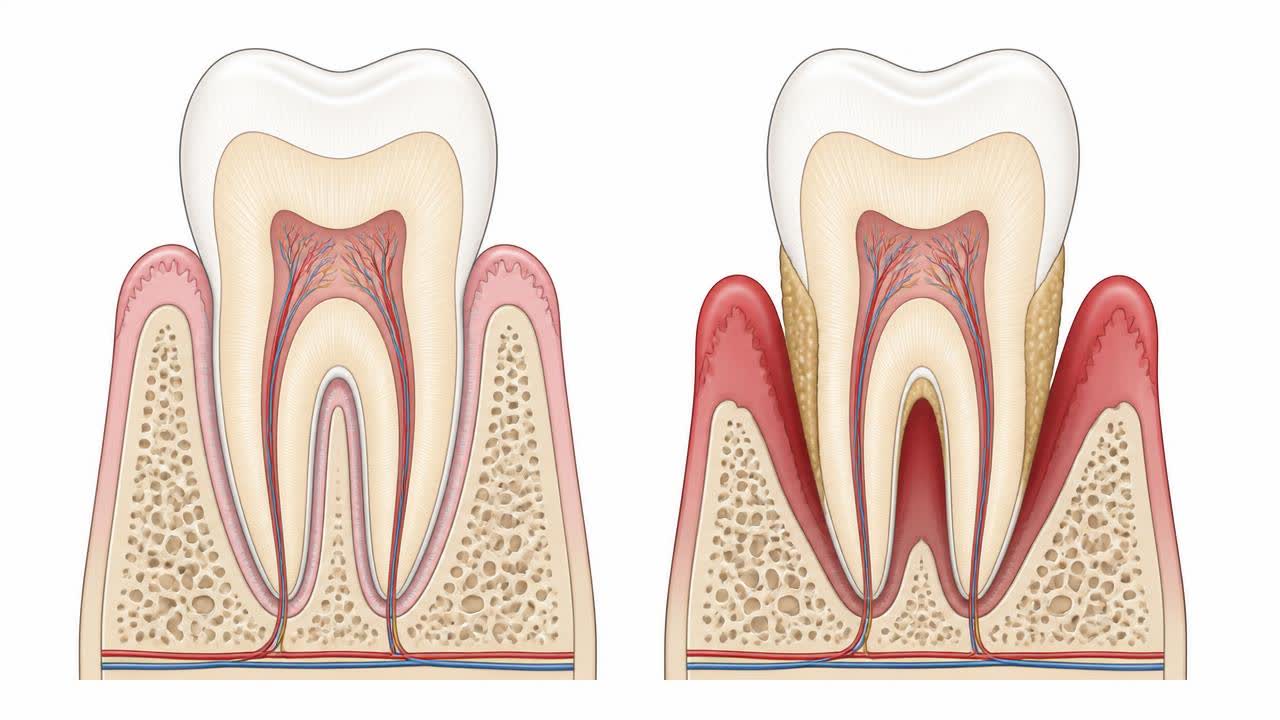
Laser Assisted Periodontal Therapy (LAPT) is a cutting-edge approach to treating gum disease. By using highly focused, precise light energy, we can target and eliminate bacteria within the periodontal pockets without the need for traditional scalpels. The laser light effectively kills the pathogens responsible for gum infection while simultaneously sealing small blood vessels, which significantly reduces bleeding during and after the procedure.
At Dr. Amit Sharma Super Speciality Dental Hospital, we have integrated this technology to offer a more comfortable and efficient experience for our patients. The precision of the laser allows us to leave healthy surrounding tissue untouched, promoting a faster healing process and reducing the post-operative discomfort often associated with traditional surgical periodontal treatments. It is a modern solution for a chronic health issue.
What to Expect During Treatment
Before the procedure, we perform a thorough assessment to determine if laser therapy is the right choice for your specific case. During the treatment, you will wear protective glasses, and we will use the laser to gently clean the pockets. While local anaesthesia is used to keep you comfortable, many patients report feeling very little throughout the session compared to traditional dental surgeries.
The process is efficient and can often be completed in fewer sessions than manual deep cleaning. We will explain every step to you, ensuring you are fully informed and comfortable throughout. We pride ourselves on creating a calm and professional environment at our clinic, where our focus is always on your comfort, safety, and the successful resolution of your gum disease.
Advantages Over Traditional Surgery
Laser therapy is often preferred because it avoids the need for cutting or suturing gum tissue. This dramatically reduces post-treatment swelling, pain, and bleeding. Furthermore, because the laser kills bacteria as it cleans, the risk of immediate re-infection is significantly lowered. It provides a more precise and predictable outcome for treating moderate to advanced pockets, helping patients keep their teeth in the long term.
While conventional surgery is still appropriate in some complex cases, LAPT is a powerful tool that expands our ability to help patients. We always conduct a personalised evaluation to recommend the most effective, least invasive treatment strategy for your situation. By choosing modern, efficient techniques like laser therapy, we can help you regain your gum health while minimising the impact on your daily life.
Long-Term Success with Laser Therapy
The success of any periodontal therapy, including laser-assisted treatments, relies on your long-term maintenance. After your laser treatment, we will guide you through a personalised home care routine designed to keep your pockets clean and free of new infection. Regular maintenance visits at our clinic will then ensure your results remain stable and your gum health is consistently monitored and supported.
At Dr. Amit Sharma Super Speciality Dental Hospital, we are dedicated to providing the latest, most effective care to our patients. If you are experiencing signs of gum disease and are looking for modern, minimally invasive treatment options, we encourage you to get in touch. We offer expert assessment and compassionate treatment, ensuring your gums receive the very best care to last you for your entire life.
How LAPT Improves Healing
One of the key benefits of laser therapy is its ability to stimulate the body's natural healing mechanisms. In addition to removing the infection, the laser energy can encourage the regeneration of connective tissue and help the gums reattach to the tooth root. This helps to reduce the depth of periodontal pockets, which is the primary goal of any effective gum disease treatment.
Because the laser is so precise, the risk of tissue recession is lowered compared to conventional surgical techniques. Patients often find the recovery time to be much shorter, with less swelling and sensitivity. This makes LAPT a highly attractive option for many, especially those who prefer a less invasive, more technology-driven approach to maintaining their long-term oral health and protecting their natural teeth.
Questions patients ask us
- Is laser gum treatment painful?
- We use local anaesthesia to ensure the area is fully numb, making the procedure very comfortable. Most patients find it much less distressing than traditional surgical alternatives, and the post-treatment experience is generally characterised by minimal swelling and very quick recovery.
- Is laser therapy effective for all stages of gum disease?
- Laser therapy is highly effective for treating moderate to advanced periodontal pockets. During your initial consultation, we will assess the depth of your pockets and the overall condition of your gums to determine if LAPT is the right option for your specific treatment plan.
- How many sessions are typically required?
- The number of sessions depends on the extent of the infection, but LAPT is often faster than traditional deep cleaning. In many cases, we can achieve significant improvement in fewer appointments, making it a very efficient treatment option for busy patients.
- Does my insurance cover laser periodontal therapy?
- Coverage for laser therapy varies depending on your specific insurance provider and plan. We recommend checking with your insurance company, or our team can assist you in understanding the details and potential coverage for your procedure before you start your treatment plan.
Sources and further reading
Guidance from professional and public health bodies. Clinical decisions here are made on your own examination and radiographs.
- 1.EFP clinical practice guidelines for periodontitis — European Federation of Periodontology
- 2.Classification of periodontal and peri-implant diseases — American Academy of Periodontology
- 3.Prevention and treatment of periodontal diseases in practice — Scottish Dental Clinical Effectiveness Programme
- 4.Oral health — fact sheet and global status report — World Health Organization
- 5.Policy statements and oral health definitions — FDI World Dental Federation
- 6.Dental health — conditions, treatments and patient guidance — NHS (UK)
- 7.Systematic reviews of oral and dental interventions — Cochrane Oral Health
- 8.Regulatory framework and dental education standards in India — Dental Council of India
When to see us
Get examined without waiting if any of the following applies to you:
- Gums that bleed without provocation, or bleeding that has become heavier
- Teeth that feel loose, are drifting, or gaps that are opening up
- Persistent bad breath or taste, gum abscesses, or pus on pressing the gum
Get a written plan and cost before you commit
If this is what you are dealing with, the next step is a consultation with radiographs — gums & prevention cases are seen by the specialist who handles that field. You get a written plan and staged cost before anything begins.
reception@dramitsharmahospital.comThis article is general education and does not replace an in-person examination, radiographs or a diagnosis by a qualified dentist.
Clinical terms in this article
Related in Gums & Prevention
Bleeding Gums and Gum Disease: A Complete Guide
What bleeding gums usually mean, how gingivitis progresses into periodontal disease, and the treatment path from scaling to gum surgery.
Gum Disease: Detection and Treatment
From reversible gingivitis to periodontitis, the warning signs, staged treatment and the link to overall health.
Preventive Dentistry and Home Care
The routine that prevents most dental disease: brushing technique, interdental cleaning, diet and recall visits.
Chronic Bad Breath Caused by Gum Infection
Chronic bad breath, or halitosis, is frequently driven by underlying gum disease. Subgingival bacteria produce volatile sulphur compounds within periodontal pockets. Effective resolution requires professional periodontal debridement, targeted biofilm disruption, and meticulous daily interdental hygiene rather than cosmetic masking.
Loose Permanent Teeth from Advanced Periodontal Disease
Loose teeth from advanced gum disease occur when severe chronic inflammation destroys the supporting alveolar bone and periodontal ligament. With timely periodontal therapy, splinting, and meticulous plaque control, many loose teeth can be stabilised and preserved without extraction.
Furcation Involvement and Bone Loss Between Roots
Furcation involvement describes bone loss between the roots of multi-rooted molars caused by advanced periodontal disease. This clinical guide explains its causes, diagnostic staging, surgical and non-surgical therapies, daily maintenance, and red flag symptoms requiring urgent care.