At a glance
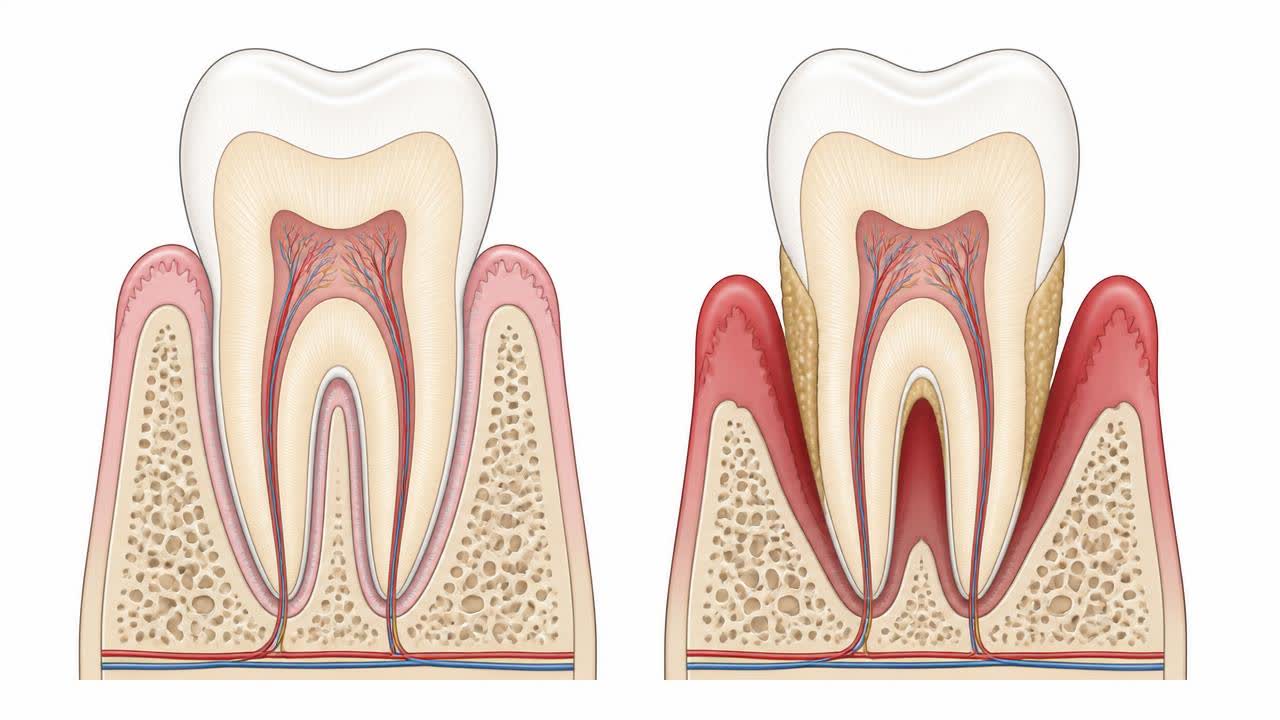
- Gum recession occurs when the gum tissue surrounding a tooth pulls back, exposing more of the tooth or its root.
- Not every case of recession requires grafting, but it is generally recommended when recession is progressing, causing persistent sensitivity, creating a cosmetic concern, or when the lack of protective gum tissue is putting the…
- Connective tissue grafts are the most common type, involving tissue taken from beneath the surface of the palate and placed over the exposed root, then covered by the existing gum.
- Gum grafting is performed under local anaesthesia and typically takes around one to two hours depending on the number of teeth being treated.
Understanding Gum Recession
Gum recession occurs when the gum tissue surrounding a tooth pulls back, exposing more of the tooth or its root. It can result from aggressive brushing with a hard-bristled brush, gum disease, thin gum tissue by nature, grinding or clenching habits, or misaligned teeth that place unusual pressure on certain gum areas.
Recession tends to progress gradually and is often first noticed as increased sensitivity to cold or as teeth appearing longer than before. Left unaddressed, exposed roots are more vulnerable to decay and further recession, making early evaluation important even when symptoms seem mild.
When Grafting Is Recommended
Not every case of recession requires grafting, but it is generally recommended when recession is progressing, causing persistent sensitivity, creating a cosmetic concern, or when the lack of protective gum tissue is putting the tooth root at increased risk of decay or further recession. Grafting essentially rebuilds a protective band of tissue around the tooth.
During your consultation, we assess the extent and cause of recession, including checking your bite and brushing habits, since addressing contributing factors is just as important as the grafting procedure itself in achieving a lasting result.
Types of Gum Grafts
Connective tissue grafts are the most common type, involving tissue taken from beneath the surface of the palate and placed over the exposed root, then covered by the existing gum. Free gingival grafts use a thin layer of tissue taken directly from the palate surface and are often used to thicken thin gum tissue. Pedicle grafts use nearby gum tissue that is partially detached and repositioned over the recession.
In some cases, particularly for patients preferring not to have a palate donor site, tissue substitutes derived from processed donor material can be used instead. The most suitable technique depends on the amount of recession, the thickness of surrounding tissue, and the specific tooth involved.
The Procedure and Recovery
Gum grafting is performed under local anaesthesia and typically takes around one to two hours depending on the number of teeth being treated. The donor tissue is carefully secured over the recession site with fine sutures, and a protective dressing may be placed over the palate donor area if that technique is used.
Mild discomfort and swelling are expected for several days, generally well managed with prescribed pain relief and a soft diet. Most patients return to normal activities within a few days, while complete healing of the gum tissue takes several weeks. Following post-operative instructions closely, including avoiding brushing directly over the graft site initially, is important for a successful outcome.
Questions patients ask us
- Is gum grafting a painful procedure?
- The procedure itself is performed under local anaesthesia so you will not feel pain during treatment. Afterwards, mild to moderate discomfort at both the graft site and, if used, the palate donor site is normal for a few days and is manageable with prescribed pain relief.
- Will gum grafting stop my gums from receding further?
- Gum grafting rebuilds the protective tissue that has been lost and can significantly reduce the likelihood of further recession at the treated site, particularly when combined with correcting contributing factors such as brushing technique or bite issues.
- How long does it take to recover from gum grafting?
- Initial healing with reduced swelling and discomfort generally occurs within one to two weeks, while the graft continues to mature and integrate with surrounding tissue over several weeks. Full assessment of the final result is usually made around two to three months after surgery.
- Can gum grafting improve the appearance of my smile?
- Yes, in addition to protecting exposed roots, gum grafting can improve the appearance of teeth that look unusually long due to recession, creating a more even, symmetrical gum line that many patients find cosmetically pleasing.
Sources and further reading
Guidance from professional and public health bodies. Clinical decisions here are made on your own examination and radiographs.
- 1.EFP clinical practice guidelines for periodontitis — European Federation of Periodontology
- 2.Classification of periodontal and peri-implant diseases — American Academy of Periodontology
- 3.Prevention and treatment of periodontal diseases in practice — Scottish Dental Clinical Effectiveness Programme
- 4.Oral health — fact sheet and global status report — World Health Organization
- 5.Policy statements and oral health definitions — FDI World Dental Federation
- 6.Dental health — conditions, treatments and patient guidance — NHS (UK)
- 7.Systematic reviews of oral and dental interventions — Cochrane Oral Health
- 8.Regulatory framework and dental education standards in India — Dental Council of India
When to see us
Get examined without waiting if any of the following applies to you:
- Gums that bleed without provocation, or bleeding that has become heavier
- Teeth that feel loose, are drifting, or gaps that are opening up
- Persistent bad breath or taste, gum abscesses, or pus on pressing the gum
Get a written plan and cost before you commit
If this is what you are dealing with, the next step is a consultation with radiographs — gums & prevention cases are seen by the specialist who handles that field. You get a written plan and staged cost before anything begins.
reception@dramitsharmahospital.comThis article is general education and does not replace an in-person examination, radiographs or a diagnosis by a qualified dentist.
Clinical terms in this article
Related in Gums & Prevention
Bleeding Gums and Gum Disease: A Complete Guide
What bleeding gums usually mean, how gingivitis progresses into periodontal disease, and the treatment path from scaling to gum surgery.
Gum Disease: Detection and Treatment
From reversible gingivitis to periodontitis, the warning signs, staged treatment and the link to overall health.
Preventive Dentistry and Home Care
The routine that prevents most dental disease: brushing technique, interdental cleaning, diet and recall visits.
Chronic Bad Breath Caused by Gum Infection
Chronic bad breath, or halitosis, is frequently driven by underlying gum disease. Subgingival bacteria produce volatile sulphur compounds within periodontal pockets. Effective resolution requires professional periodontal debridement, targeted biofilm disruption, and meticulous daily interdental hygiene rather than cosmetic masking.
Loose Permanent Teeth from Advanced Periodontal Disease
Loose teeth from advanced gum disease occur when severe chronic inflammation destroys the supporting alveolar bone and periodontal ligament. With timely periodontal therapy, splinting, and meticulous plaque control, many loose teeth can be stabilised and preserved without extraction.
Furcation Involvement and Bone Loss Between Roots
Furcation involvement describes bone loss between the roots of multi-rooted molars caused by advanced periodontal disease. This clinical guide explains its causes, diagnostic staging, surgical and non-surgical therapies, daily maintenance, and red flag symptoms requiring urgent care.