At a glance
- Elevated blood sugar levels associated with poorly controlled diabetes can impair the body's ability to fight bacterial infection, including the bacteria responsible for gum disease.
- The relationship works in both directions.
- Diabetic patients, particularly those with less well-controlled blood sugar, are advised to attend dental check-ups more frequently, often every three to four months, to monitor gum health closely and catch any changes early.
How Diabetes Affects the Gums
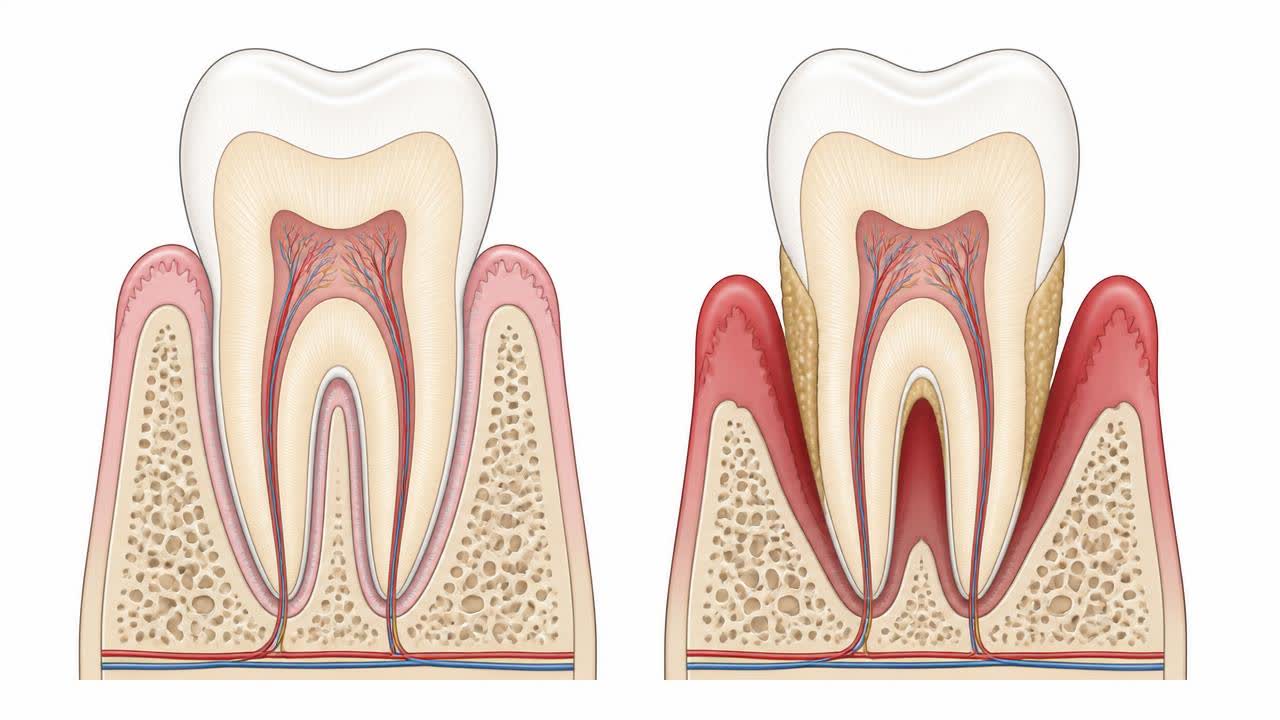
Elevated blood sugar levels associated with poorly controlled diabetes can impair the body's ability to fight bacterial infection, including the bacteria responsible for gum disease. This means diabetic patients, particularly those with higher blood sugar levels, tend to experience more frequent and more severe gum disease compared with the general population.
High blood sugar also affects the small blood vessels supplying the gums, reducing the delivery of oxygen and nutrients needed for healthy tissue repair. This can slow healing after dental procedures and make gum tissue more vulnerable to infection and inflammation overall.
How Gum Disease Affects Blood Sugar Control
The relationship works in both directions. Active gum infection triggers a low-grade inflammatory response throughout the body, which can interfere with insulin function and make blood sugar levels more difficult to control, even in patients who are otherwise following their diabetes management plan carefully.
This means that treating gum disease is not simply a dental concern for diabetic patients but can meaningfully support better overall blood sugar management. Some studies have shown improvements in blood sugar control following successful periodontal treatment, highlighting the genuine, practical importance of this connection.
Special Considerations for Diabetic Patients
Diabetic patients, particularly those with less well-controlled blood sugar, are advised to attend dental check-ups more frequently, often every three to four months, to monitor gum health closely and catch any changes early. Sharing your current blood sugar control status and any recent changes in your diabetes management with your dentist helps guide appropriate care.
Healing after dental procedures, including extractions and gum surgery, may take slightly longer in diabetic patients, and coordination between your dentist and physician is valuable, particularly before more involved procedures, to ensure blood sugar levels are appropriately managed around the time of treatment.
Questions patients ask us
- Should I tell my dentist that I have diabetes?
- Yes, informing your dentist about your diabetes, including how well your blood sugar is currently controlled, is important. It helps guide the timing and approach to your dental treatment and allows closer monitoring of your gum health, which is particularly relevant given the strong connection between the two conditions.
- Can treating my gum disease help my blood sugar levels?
- Some research suggests that successfully treating gum disease can contribute to modest improvements in blood sugar control, likely due to reduced inflammation throughout the body. While it is not a substitute for diabetes management, it is a meaningful additional benefit.
- How often should diabetic patients see the dentist?
- Many diabetic patients, particularly those with higher blood sugar levels or existing gum disease, benefit from dental visits every three to four months rather than the standard six months, allowing closer monitoring and earlier intervention if any changes occur.
- Does diabetes increase the risk of losing teeth?
- Poorly controlled diabetes does increase the risk of more severe gum disease, which if untreated can lead to tooth loss. However, with good blood sugar control and regular, appropriate dental care, diabetic patients can maintain healthy gums and teeth for the long term.
Sources and further reading
Guidance from professional and public health bodies. Clinical decisions here are made on your own examination and radiographs.
- 1.EFP clinical practice guidelines for periodontitis — European Federation of Periodontology
- 2.Classification of periodontal and peri-implant diseases — American Academy of Periodontology
- 3.Prevention and treatment of periodontal diseases in practice — Scottish Dental Clinical Effectiveness Programme
- 4.Oral health — fact sheet and global status report — World Health Organization
- 5.Policy statements and oral health definitions — FDI World Dental Federation
- 6.Dental health — conditions, treatments and patient guidance — NHS (UK)
- 7.Systematic reviews of oral and dental interventions — Cochrane Oral Health
- 8.Regulatory framework and dental education standards in India — Dental Council of India
When to see us
Get examined without waiting if any of the following applies to you:
- Gums that bleed without provocation, or bleeding that has become heavier
- Teeth that feel loose, are drifting, or gaps that are opening up
- Persistent bad breath or taste, gum abscesses, or pus on pressing the gum
Get a written plan and cost before you commit
If this is what you are dealing with, the next step is a consultation with radiographs — gums & prevention cases are seen by the specialist who handles that field. You get a written plan and staged cost before anything begins.
reception@dramitsharmahospital.comThis article is general education and does not replace an in-person examination, radiographs or a diagnosis by a qualified dentist.
Clinical terms in this article
Related in Gums & Prevention
Bleeding Gums and Gum Disease: A Complete Guide
What bleeding gums usually mean, how gingivitis progresses into periodontal disease, and the treatment path from scaling to gum surgery.
Gum Disease: Detection and Treatment
From reversible gingivitis to periodontitis, the warning signs, staged treatment and the link to overall health.
Preventive Dentistry and Home Care
The routine that prevents most dental disease: brushing technique, interdental cleaning, diet and recall visits.
Chronic Bad Breath Caused by Gum Infection
Chronic bad breath, or halitosis, is frequently driven by underlying gum disease. Subgingival bacteria produce volatile sulphur compounds within periodontal pockets. Effective resolution requires professional periodontal debridement, targeted biofilm disruption, and meticulous daily interdental hygiene rather than cosmetic masking.
Loose Permanent Teeth from Advanced Periodontal Disease
Loose teeth from advanced gum disease occur when severe chronic inflammation destroys the supporting alveolar bone and periodontal ligament. With timely periodontal therapy, splinting, and meticulous plaque control, many loose teeth can be stabilised and preserved without extraction.
Furcation Involvement and Bone Loss Between Roots
Furcation involvement describes bone loss between the roots of multi-rooted molars caused by advanced periodontal disease. This clinical guide explains its causes, diagnostic staging, surgical and non-surgical therapies, daily maintenance, and red flag symptoms requiring urgent care.