At a glance
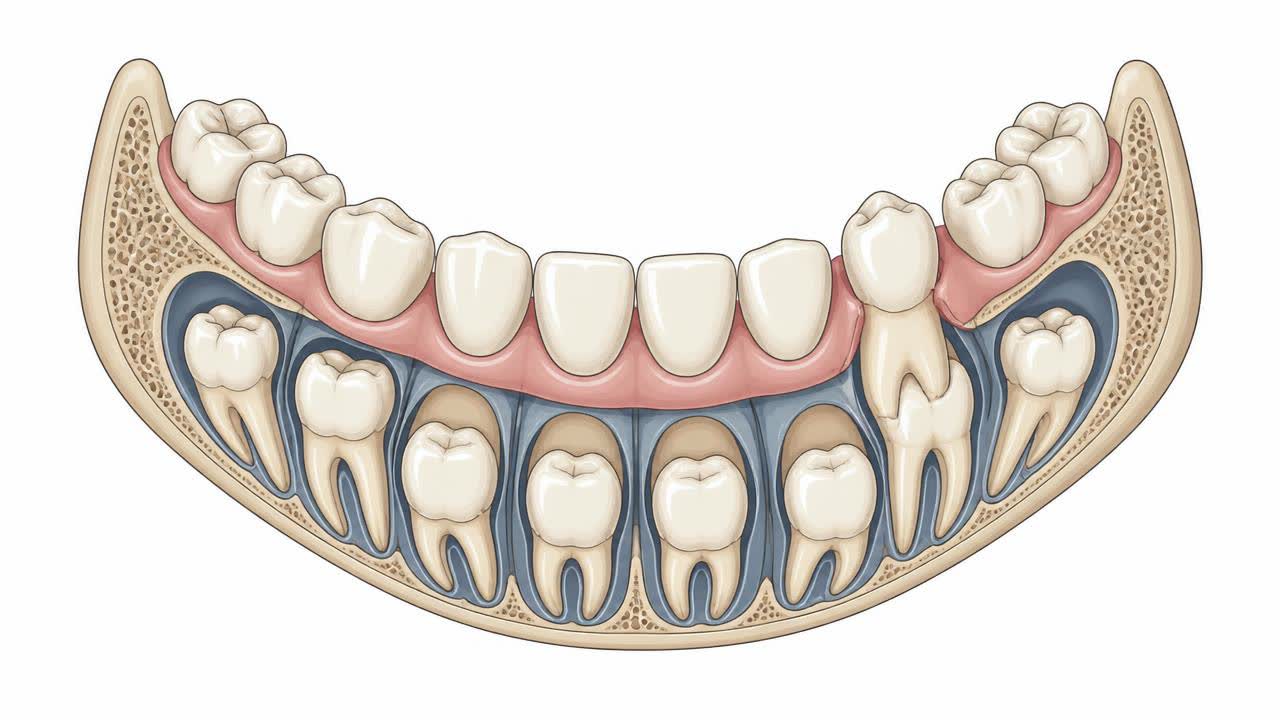
- As permanent teeth develop in the jaw, they push against the roots of the primary (milk) teeth, causing the roots to resorb.
- If your child experiences mild discomfort when eating, suggest they choose softer foods that require less chewing pressure.
- It is important to avoid old-fashioned methods of pulling teeth, such as tying a string to a doorknob.
- While losing milk teeth is a normal process, there are times when a dental visit is warranted.
- Turning the loss of a tooth into a positive event can significantly reduce any anxiety your child might feel.
Understanding Loose Baby Teeth
As permanent teeth develop in the jaw, they push against the roots of the primary (milk) teeth, causing the roots to resorb. This process leads to the tooth becoming wobbly. It is a completely natural event that usually occurs without significant pain. Most children find the process exciting, though some may feel slightly anxious about the sensation of a loose tooth moving while they are eating or speaking.
Encouraging your child to gently wiggle the tooth with a clean finger or their tongue can help speed up the process naturally. Avoid forcing the tooth out before it is ready, as this can cause unnecessary pain, bleeding, or potential damage to the underlying permanent tooth or gum tissues. Patience is key; the tooth will fall out when it is ready to naturally come away.
Managing Minor Discomfort
If your child experiences mild discomfort when eating, suggest they choose softer foods that require less chewing pressure. This can help them maintain adequate nutrition while avoiding irritation to the gum area surrounding the loose tooth. There is no need for restrictive diets, but choosing items like pasta, mashed vegetables, or yoghurt can make mealtimes much more comfortable until the loose tooth finally exits the mouth.
In most cases, any minor bleeding once the tooth is lost can be easily managed by having your child bite gently on a clean, damp cloth or gauze pad for a few minutes. This applies light pressure to the socket, which helps to stop the bleeding and promotes the formation of a stable blood clot, ensuring that the healing process proceeds smoothly and comfortably for your child.
What Not to Do
It is important to avoid old-fashioned methods of pulling teeth, such as tying a string to a doorknob. These methods can cause trauma to the gums, infection, or damage to the delicate permanent tooth waiting beneath the surface. Allow the natural exfoliation process to happen in its own time, as this is the safest and least stressful way for your child to lose their baby teeth.
Furthermore, avoid using harsh chemicals or over-the-counter numbing agents unless specifically recommended by your dentist. Most children handle the process well without any medication. If your child seems to be in significant pain or if the gum area looks red, swollen, or infected, please reach out to our team at Dr. Amit Sharma Super Speciality Dental Hospital for a professional evaluation and appropriate guidance.
Celebrating the Milestone
Turning the loss of a tooth into a positive event can significantly reduce any anxiety your child might feel. Whether you choose to acknowledge the milestone with a small reward or simply praise them for being brave, it helps demystify the experience. Remind your child that losing baby teeth is a sign of them growing up and making space for their strong, permanent adult teeth to come through.
Continue to encourage good brushing habits even during this phase, as maintaining a clean mouth prevents infection and keeps the surrounding gums healthy. If you have any concerns about your child's dental development, the team at Dr. Amit Sharma Super Speciality Dental Hospital is always happy to provide professional advice and ensure your child receives the highest standard of dental care.
When to Seek Professional Help
While losing milk teeth is a normal process, there are times when a dental visit is warranted. If a tooth remains loose for an exceptionally long period without falling out, or if it causes persistent pain that affects your child's sleep or eating habits, we can assess the situation. Sometimes, a retained tooth may need a gentle clinical nudge to allow the permanent tooth to erupt correctly.
Additionally, if you notice signs of infection, such as prolonged bleeding, severe swelling, or pus around the gum area, you should contact our clinic immediately. Our paediatric dental experts are here to support your child and provide a calm, reassuring experience. Early intervention can prevent potential issues, ensuring that your child’s dental transition remains a positive and healthy journey throughout their formative years.
Questions patients ask us
- Should I pull out my child's loose tooth?
- It is best to let the tooth fall out naturally. Forcing it out before it is ready can cause pain, bleeding, and potential damage to the gum or permanent tooth. Encourage your child to wiggle it gently with their tongue or a clean finger, and it will come out when it is ready.
- Is it normal for there to be blood after a tooth falls out?
- Yes, it is very common for there to be a little bleeding when a tooth falls out. Simply have your child bite down gently on a clean, damp piece of gauze or a clean cloth for a few minutes. This pressure helps stop the bleeding quickly and allows a healthy blood clot to form.
- My child is in pain because of a loose tooth, what should I do?
- If the loose tooth is causing pain, encourage your child to eat softer foods and avoid chewing on that side. If the pain is severe or persistent, please contact our clinic for an assessment. We can determine if the tooth is ready for a gentle professional removal to relieve any unnecessary distress.
- When will the permanent tooth appear after the baby tooth is lost?
- The time it takes for a permanent tooth to appear can vary significantly. Sometimes it erupts within weeks, while other times it may take several months. If you are concerned about a long delay, our team at Dr. Amit Sharma Super Speciality Dental Hospital can perform an X-ray to check on the developing tooth.
Sources and further reading
Guidance from professional and public health bodies. Clinical decisions here are made on your own examination and radiographs.
- 1.Best practice policies and clinical recommendations — American Academy of Pediatric Dentistry
- 2.Delivering better oral health — an evidence-based toolkit — Public Health England / OHID
- 3.Oral health — fact sheet and global status report — World Health Organization
- 4.Policy statements and oral health definitions — FDI World Dental Federation
- 5.Dental health — conditions, treatments and patient guidance — NHS (UK)
- 6.Systematic reviews of oral and dental interventions — Cochrane Oral Health
- 7.Regulatory framework and dental education standards in India — Dental Council of India
When to see us
Get examined without waiting if any of the following applies to you:
- Facial swelling, fever or refusal to eat or drink in a child — seek same-day care
- Dental injury to a child's tooth, especially if it is displaced or knocked out
- A dark or discoloured tooth, or a lump on the gum above a tooth
Get a written plan and cost before you commit
If this is what you are dealing with, the next step is a consultation with radiographs — children's dentistry cases are seen by the specialist who handles that field. You get a written plan and staged cost before anything begins.
reception@dramitsharmahospital.comThis article is general education and does not replace an in-person examination, radiographs or a diagnosis by a qualified dentist.
Clinical terms in this article
Related in Children's Dentistry
Children's Dental Care by Age
First visit timing, fluoride and sealants, why milk teeth matter, and managing dental anxiety in children.
Pulpotomy vs Pulpectomy in Baby Teeth Explained
This clinical guide clarifies the differences between a pulpotomy and a pulpectomy in primary teeth. Learn about deciduous pulp anatomy, diagnostic criteria, clinical steps, restorative crowns, post-operative care, and when emergency dental attention is necessary.
Regenerative Endodontics for Immature Teeth with Pulp Necrosis
A regenerative endodontic procedure restores vascularity and tissue vitality to immature permanent teeth affected by pulp necrosis. This evidence-based guide details diagnostic protocols, biologically based revascularisation steps, treatment comparisons, recovery expectations, and long-term tooth preservation strategies.
Apexification Procedure for Immature Permanent Teeth in Children
An apexification procedure is a specialised dental intervention designed to treat non-vital, immature permanent teeth in children. It creates a calcified apical barrier, enabling effective root canal obturation while preserving the natural tooth within the developing jaw.
Apexogenesis Procedure to Preserve Pulp Vitality in Children
Apexogenesis is a vital pulp therapy that preserves living pulp tissue in immature permanent teeth of children. By maintaining vascularity, it enables continued root lengthening, dentinal wall thickening, and natural apical closure following traumatic injury or deep decay.
Palatal Expanders for Children: How Rapid Palatal Expansion Works
A clinical guide to rapid palatal expansion in children. Learn how a palate expander for kids corrects transverse maxillary constriction, posterior crossbites, and severe crowding before midpalatal suture fusion during natural skeletal development.