At a glance
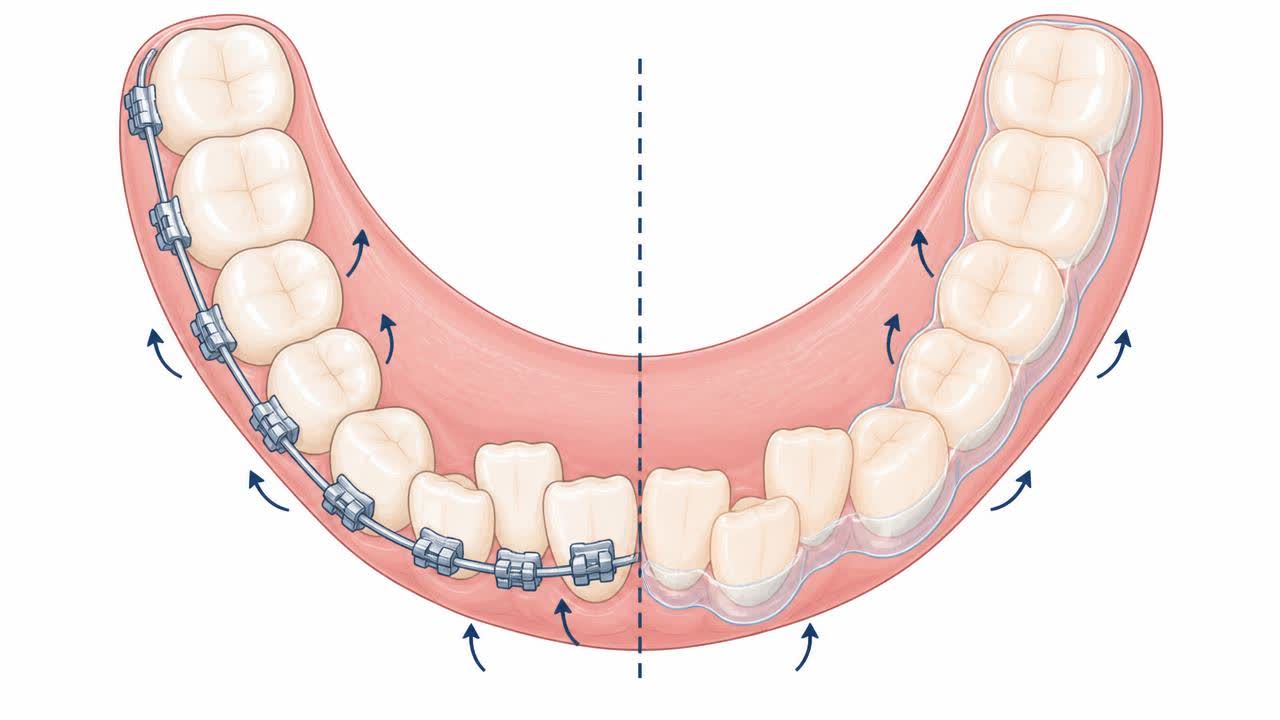
- Clear aligners work by applying constant, gentle force to your teeth, which triggers the necessary biological bone remodelling for movement.
- When you do not wear your aligners for the required time, it causes what is known as 'relapse'—even if it is just over a few hours.
- Incorporating 22 hours of wear into your daily life is easier than you might think.
- Orthodontic movement relies on a process called bone turnover, where the jawbone breaks down and rebuilds around your teeth as they move.
- Ultimately, the success of your clear aligner treatment is a team effort between you and your clinical team at Dr.
The Importance of Consistency
Clear aligners work by applying constant, gentle force to your teeth, which triggers the necessary biological bone remodelling for movement. Because aligners are removable, the force is only applied when they are actively being worn. If the aligners are out of your mouth for extended periods, this essential pressure is lost, and your teeth begin to drift back towards their original, pre-treatment positions.
Wearing your aligners for the recommended 22 hours per day ensures that this constant pressure is maintained, allowing your teeth to move efficiently and effectively. Every hour you spend without your aligners is essentially an hour of 'recovery time' where the movement process is paused, which can significantly delay your progress and compromise the final results we have planned for you.
Preventing Relapse and Treatment Delays
When you do not wear your aligners for the required time, it causes what is known as 'relapse'—even if it is just over a few hours. When you then try to put the aligners back in, they may feel tight or even fail to seat fully over your teeth. This indicates that your teeth have already started to shift, which creates unnecessary discomfort and disruption to your schedule.
Consistency is the best way to prevent these delays. By adhering to the 22-hour goal, you ensure that each aligner tray moves your teeth exactly as the digital plan dictates. This disciplined approach means your treatment stays on track, you change your trays on schedule, and you reach your final, beautiful smile as quickly and efficiently as possible.
Building Your Daily Routine
Incorporating 22 hours of wear into your daily life is easier than you might think. Simply remove your aligners when you eat or drink anything other than plain water, and brush your teeth or rinse before popping them back in. If you manage your mealtimes efficiently, it is easy to keep your aligners in for the vast majority of the day, leaving plenty of time for socialising.
Developing this habit early on is key to success. We recommend carrying a case with you at all times so you have a safe place to store your aligners when you take them out. By making this simple act a non-negotiable part of your daily routine, you set yourself up for the best possible orthodontic outcome and ensure your comfort throughout the entire process.
Impact on Biological Remodelling
Orthodontic movement relies on a process called bone turnover, where the jawbone breaks down and rebuilds around your teeth as they move. This process requires a steady, predictable supply of force. If the force is interrupted frequently, the bone does not have the chance to set correctly, which can lead to unstable movement and discomfort when the trays are finally put back on.
By wearing the aligners for 22 hours, you provide the continuous environment needed for this biological process to occur safely and efficiently. This leads not only to faster results but also to healthier tooth movement, as your teeth are being guided steadily through the bone rather than experiencing constant starting and stopping. Your long-term dental health is directly supported by your commitment to consistent wear.
Your Role in Your Success
Ultimately, the success of your clear aligner treatment is a team effort between you and your clinical team at Dr. Amit Sharma Super Speciality Dental Hospital. We provide the expert planning and the high-quality aligners, but your dedication is what powers the actual movement. Your commitment to the 22-hour wear rule is the single most important factor that you can control.
When you are disciplined with your wear, you will see the changes you want, and you will stay on schedule. Remember, every hour counts. Stay motivated by thinking of your future, straight smile, and remember that this effort is temporary while the benefits of your new, confident smile will last for a lifetime. We are here to support you at every step of this exciting journey.
Questions patients ask us
- Why is the 22-hour requirement so strict?
- Clear aligners are only effective when they are physically pressing against your teeth. If they are removed for too long, the teeth begin to drift back, which pauses the movement process and can lead to longer treatment times.
- Can I wear them for less time if I’m busy?
- Consistently wearing your aligners for less than the recommended time can cause your progress to stall and your trays to stop fitting properly. It is crucial to prioritise your wear time every single day to ensure success.
- What should I do if I forget to wear them for a few hours?
- Put them back in as soon as possible and resume your normal schedule. If you find they feel very tight or don't fit correctly, please reach out to us at our hospital for guidance before trying to force them.
- Does the time I spend sleeping count?
- Yes, definitely! Sleeping while wearing your aligners is an easy way to accumulate nearly 8 hours of essential wear time towards your 22-hour daily goal, which is why it is critical that you never sleep without them.
Sources and further reading
Guidance from professional and public health bodies. Clinical decisions here are made on your own examination and radiographs.
- 1.Orthodontic treatment and retention — patient resources — American Association of Orthodontists
- 2.Patient information leaflets on appliances and retention — British Orthodontic Society
- 3.Oral health — fact sheet and global status report — World Health Organization
- 4.Policy statements and oral health definitions — FDI World Dental Federation
- 5.Dental health — conditions, treatments and patient guidance — NHS (UK)
- 6.Systematic reviews of oral and dental interventions — Cochrane Oral Health
- 7.Regulatory framework and dental education standards in India — Dental Council of India
When to see us
Get examined without waiting if any of the following applies to you:
- A broken bracket, poking wire or appliance causing ulceration
- A tooth that becomes painful, loose or discoloured during treatment
- Jaw joint pain, locking or a bite that has changed suddenly
Get a written plan and cost before you commit
If this is what you are dealing with, the next step is a consultation with radiographs — orthodontics cases are seen by the specialist who handles that field. You get a written plan and staged cost before anything begins.
reception@dramitsharmahospital.comThis article is general education and does not replace an in-person examination, radiographs or a diagnosis by a qualified dentist.
Clinical terms in this article
Related in Orthodontics
Aligners and Braces: Choosing the Right Option
Metal, ceramic and clear aligner treatment compared, duration, visibility, cost and suitability.
Tooth Extraction for Braces or Severe Crowding Issues
Orthodontic extractions involve the planned removal of select teeth to resolve severe crowding, correct bimaxillary protrusion, and balance dentoalveolar proportions. This clinical guide details diagnostic indications, extraction patterns, procedural steps, recovery, risks, and evidence-based non-extraction alternatives.
Maxillary Osteotomy for Open Bite Alignment and Correction
Maxillary osteotomy for open bite corrects severe vertical skeletal discrepancies through surgical repositioning of the upper jaw. Combined with orthodontics, this procedure restores chewing function, improves speech articulation, and ensures long-term occlusal and facial stability.
Surgically Assisted Rapid Palatal Expansion for Adult Palate Widening
Surgically assisted rapid palatal expansion (SARPE) is a combined orthodontic and surgical treatment designed to correct severe transverse maxillary deficiency in skeletally mature adults, widening the narrow upper jaw to restore functional occlusion, stability, and airway volume.
Surgical Exposure and Bracket Bonding for Impacted Canine Teeth
This clinical guide details impacted canine exposure surgery and bracket bonding. It explains anatomical causes, CBCT diagnostic pathways, open versus closed surgical techniques, orthodontic traction mechanisms, recovery protocols, and evidence-based strategies to manage complications.
Overbite vs Overjet: Key Differences and Correction Methods
This clinical guide clarifies the distinction between overbite (vertical overlap) and overjet (horizontal protrusion). It examines their aetiology, diagnostic pathways, classification, and evidence-based orthodontic and surgical correction methods across paediatric and adult populations.