At a glance
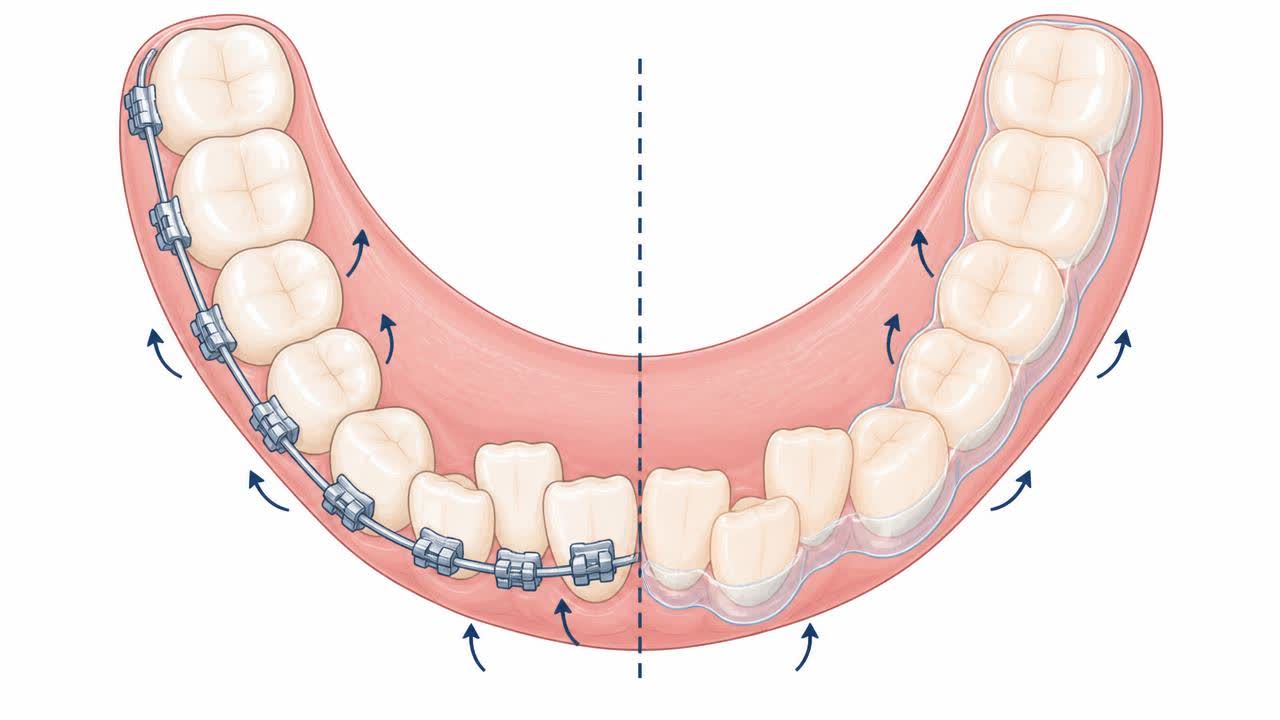
- After braces or aligner treatment is complete, the bone and ligaments surrounding your teeth need time to stabilise around their new positions.
- Removable retainers, often made from clear plastic similar to aligner material, fit closely over your teeth and can be taken out for eating and cleaning.
- Removable retainers should be cleaned daily with a soft toothbrush and lukewarm water or a dedicated cleaning solution, and stored safely in their case whenever not being worn to avoid loss or accidental damage.
- Even years after treatment, teeth can shift noticeably if retainer wear is stopped abruptly, particularly in the first two years following active treatment when the surrounding bone is still remodelling.
Why Retainers Are Necessary
After braces or aligner treatment is complete, the bone and ligaments surrounding your teeth need time to stabilise around their new positions. Without a retainer, teeth have a natural tendency to gradually drift back towards their original alignment, a process known as relapse, which can undo months or years of orthodontic effort.
Retainers hold your teeth firmly in place while this stabilisation occurs, and long-term wear, even if reduced over time, helps counteract the ongoing subtle shifts that occur naturally throughout life due to factors like jaw growth, tooth wear, and normal ageing of the supporting tissues.
Types of Retainers Available
Removable retainers, often made from clear plastic similar to aligner material, fit closely over your teeth and can be taken out for eating and cleaning. These are typically worn full-time for the first few months after treatment, then gradually reduced to night-time wear only, based on your orthodontist's specific recommendation.
Fixed retainers consist of a thin wire bonded to the back surface of the front teeth, usually on the lower arch where relapse tends to be more pronounced. These provide continuous, low-maintenance retention without requiring daily compliance, though they do require careful cleaning around the wire to prevent plaque buildup.
Maintaining Your Retainer
Removable retainers should be cleaned daily with a soft toothbrush and lukewarm water or a dedicated cleaning solution, and stored safely in their case whenever not being worn to avoid loss or accidental damage. Avoid exposing them to hot water or direct sunlight, as this can distort the plastic and compromise the fit.
Fixed retainers require thorough cleaning using floss threaders or interdental brushes to reach beneath the wire, as food particles and plaque can accumulate in this area if not addressed regularly. Attending routine dental check-ups allows us to inspect the retainer wire for any signs of loosening or damage that could compromise its effectiveness.
What Happens If You Stop Wearing Your Retainer
Even years after treatment, teeth can shift noticeably if retainer wear is stopped abruptly, particularly in the first two years following active treatment when the surrounding bone is still remodelling. Some patients notice mild crowding returning within just a few months of discontinuing their retainer.
If you notice any relapse occurring, contact our clinic promptly, as early intervention with a renewed retainer regimen or minor corrective treatment is far simpler than addressing significant relapse after a long period of neglect. Long-term, consistent retainer wear remains the most reliable way to protect your investment in a straighter smile.
Questions patients ask us
- How long do I need to wear a retainer after braces?
- Most orthodontists recommend near full-time wear for the first three to six months after treatment, followed by night-time wear indefinitely, or for as long as you want to maintain your results. Fixed retainers, when used, can remain in place for many years with proper maintenance.
- What should I do if my retainer no longer fits?
- This can indicate that some relapse has already occurred, so it is important to contact our clinic promptly rather than forcing the retainer into place, which could be uncomfortable or ineffective. We can assess the situation and recommend a new retainer or, if needed, minor corrective treatment.
- Can a fixed retainer come loose?
- Yes, the bonding on a fixed retainer can occasionally loosen from one or more teeth, particularly if you bite into very hard foods. If you notice any part of the wire feels loose or is poking, contact our clinic so it can be re-bonded promptly to prevent unwanted tooth movement.
- Is it normal for teeth to shift slightly even with a retainer?
- Very minor changes can occur over many years due to natural ageing processes, even with good retainer compliance, but significant shifting typically indicates reduced wear time or a damaged retainer. Regular dental reviews help catch and address any changes early.
Sources and further reading
Guidance from professional and public health bodies. Clinical decisions here are made on your own examination and radiographs.
- 1.Orthodontic treatment and retention — patient resources — American Association of Orthodontists
- 2.Patient information leaflets on appliances and retention — British Orthodontic Society
- 3.Oral health — fact sheet and global status report — World Health Organization
- 4.Policy statements and oral health definitions — FDI World Dental Federation
- 5.Dental health — conditions, treatments and patient guidance — NHS (UK)
- 6.Systematic reviews of oral and dental interventions — Cochrane Oral Health
- 7.Regulatory framework and dental education standards in India — Dental Council of India
When to see us
Get examined without waiting if any of the following applies to you:
- A broken bracket, poking wire or appliance causing ulceration
- A tooth that becomes painful, loose or discoloured during treatment
- Jaw joint pain, locking or a bite that has changed suddenly
Get a written plan and cost before you commit
If this is what you are dealing with, the next step is a consultation with radiographs — orthodontics cases are seen by the specialist who handles that field. You get a written plan and staged cost before anything begins.
reception@dramitsharmahospital.comThis article is general education and does not replace an in-person examination, radiographs or a diagnosis by a qualified dentist.
Clinical terms in this article
Related in Orthodontics
Aligners and Braces: Choosing the Right Option
Metal, ceramic and clear aligner treatment compared, duration, visibility, cost and suitability.
Tooth Extraction for Braces or Severe Crowding Issues
Orthodontic extractions involve the planned removal of select teeth to resolve severe crowding, correct bimaxillary protrusion, and balance dentoalveolar proportions. This clinical guide details diagnostic indications, extraction patterns, procedural steps, recovery, risks, and evidence-based non-extraction alternatives.
Maxillary Osteotomy for Open Bite Alignment and Correction
Maxillary osteotomy for open bite corrects severe vertical skeletal discrepancies through surgical repositioning of the upper jaw. Combined with orthodontics, this procedure restores chewing function, improves speech articulation, and ensures long-term occlusal and facial stability.
Surgically Assisted Rapid Palatal Expansion for Adult Palate Widening
Surgically assisted rapid palatal expansion (SARPE) is a combined orthodontic and surgical treatment designed to correct severe transverse maxillary deficiency in skeletally mature adults, widening the narrow upper jaw to restore functional occlusion, stability, and airway volume.
Surgical Exposure and Bracket Bonding for Impacted Canine Teeth
This clinical guide details impacted canine exposure surgery and bracket bonding. It explains anatomical causes, CBCT diagnostic pathways, open versus closed surgical techniques, orthodontic traction mechanisms, recovery protocols, and evidence-based strategies to manage complications.
Overbite vs Overjet: Key Differences and Correction Methods
This clinical guide clarifies the distinction between overbite (vertical overlap) and overjet (horizontal protrusion). It examines their aetiology, diagnostic pathways, classification, and evidence-based orthodontic and surgical correction methods across paediatric and adult populations.