At a glance
- The mixed dentition stage typically begins around age six and concludes when the final primary tooth is lost, usually by age twelve.
- It is completely standard for permanent teeth to appear different from baby teeth in size, colour, and shape.
- Maintaining excellent oral hygiene is more challenging during the mixed dentition phase due to the varying heights and positions of teeth.
- A balanced diet plays a pivotal role in supporting dental health during this transitional period.
- Regular attendance at your dental clinic is the best way to monitor your child's dental development.
What is Mixed Dentition?
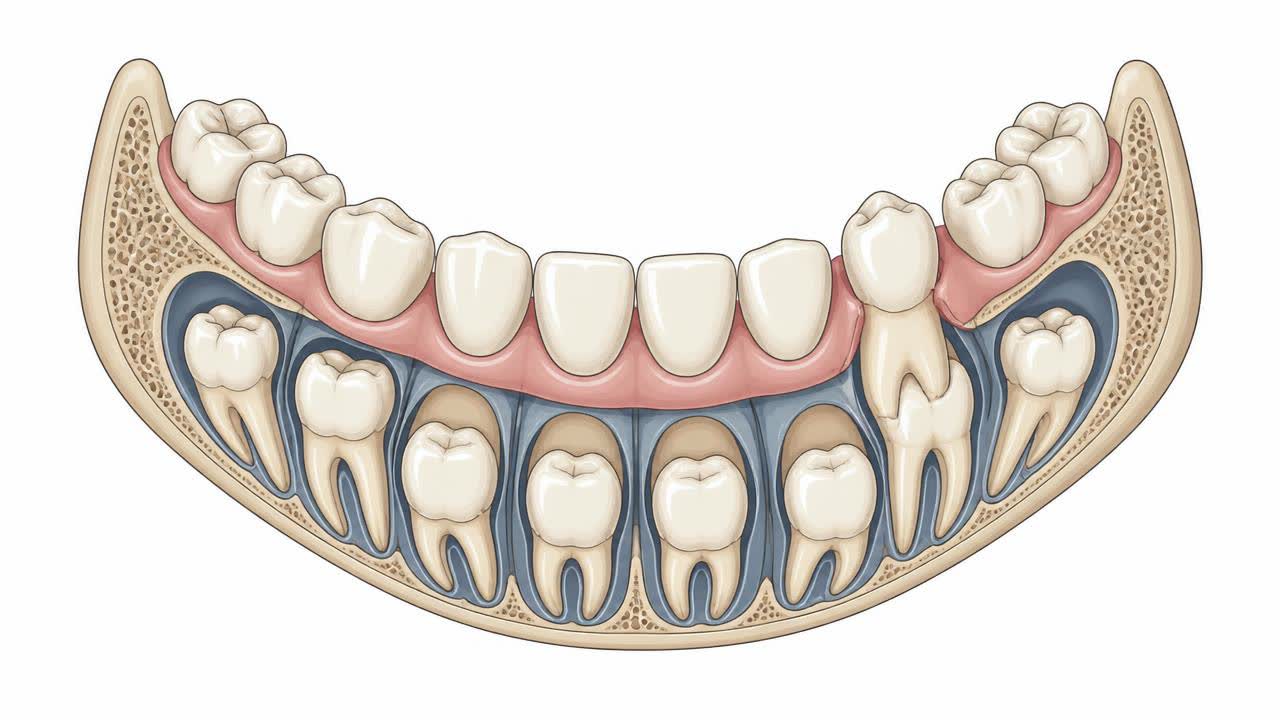
The mixed dentition stage typically begins around age six and concludes when the final primary tooth is lost, usually by age twelve. During this interval, your child’s mouth contains a combination of baby teeth and newly erupted permanent teeth. This is a normal and necessary developmental process that allows for the transition into an adult smile, necessitating careful observation by parents and dental professionals alike.
As the jaw grows to accommodate larger permanent teeth, the primary teeth often become loose and fall out to make room. This phase is crucial for ensuring the permanent teeth erupt in their correct positions. If you notice crowding or unusual spacing during this time, it is advisable to schedule a consultation with our experienced dental team at Dr. Amit Sharma Super Speciality Dental Hospital for a thorough assessment.
Normal Changes During Development
It is completely standard for permanent teeth to appear different from baby teeth in size, colour, and shape. Permanent incisors are often naturally whiter and larger, which can sometimes look oversized compared to a child's face. You may also observe serrated edges on new teeth, known as mamelons, which usually wear down naturally over time through normal eating and chewing activities.
Occasionally, you might see a permanent tooth erupting behind a primary tooth, commonly referred to as 'shark teeth'. While this can look concerning, it is often a benign occurrence. However, if the baby tooth does not become loose or if the child experiences discomfort, professional intervention may be required to gently encourage the primary tooth to exfoliate properly, ensuring the permanent tooth aligns correctly.
Oral Hygiene Challenges
Maintaining excellent oral hygiene is more challenging during the mixed dentition phase due to the varying heights and positions of teeth. Plaque tends to accumulate in the gaps between teeth and around the gum lines of partially erupted permanent teeth. Encouraging your child to brush twice daily with fluoride toothpaste is essential, along with supervised flossing to reach those tricky areas that toothbrushes alone cannot clean.
Consider using interdental brushes or floss picks if your child finds traditional string floss difficult to manage. Regular dental check-ups are vital during these years to ensure that tooth decay is identified early, especially in the grooves of the new permanent molars. Our team at Dr. Amit Sharma Super Speciality Dental Hospital provides tailored guidance on cleaning techniques specifically for children navigating this developmental milestone.
The Role of Diet
A balanced diet plays a pivotal role in supporting dental health during this transitional period. Limiting sugary snacks and acidic beverages, such as fizzy drinks and fruit juices, is highly recommended to protect the newly erupted permanent enamel, which is still maturing and susceptible to decay. Encourage your child to choose water or milk as their primary drink throughout the day to keep their teeth strong.
Including crunchy fruits and vegetables like apples and carrots in their diet can also help naturally clean teeth surfaces and stimulate healthy jaw development. If your child frequently consumes sugary snacks, try to limit them to mealtimes rather than between-meal treats. Consistent dietary habits established during the mixed dentition phase will help set the foundation for lifelong oral health and reduce the risk of future dental issues.
When to See the Dentist
Regular attendance at your dental clinic is the best way to monitor your child's dental development. We recommend check-ups every six months to track the progression of tooth loss and eruption. These visits allow us to identify any potential alignment issues or early signs of decay, ensuring that any necessary treatments are provided promptly and comfortably, keeping your child's oral development on track.
If you observe any persistent pain, swelling, or trauma to your child's teeth, please contact us immediately at 9314403502. Early detection of problems often leads to simpler and more effective treatment options. Our clinic provides a friendly, child-focused environment where your child can feel safe and supported during their dental visits as they grow through the important mixed dentition phase.
Questions patients ask us
- How long does the mixed dentition stage last?
- The mixed dentition stage typically spans from age six to twelve. It begins when the first permanent molars appear and ends when the last primary tooth falls out. Every child develops differently, so slight variations in timing are perfectly normal and usually nothing to be concerned about during this developmental growth phase.
- Why do new teeth look different from baby teeth?
- Permanent teeth are naturally larger, more yellow in colour, and may have serrated edges called mamelons. These features are entirely normal for new permanent teeth. The serrated edges usually wear down naturally as your child uses their teeth for eating, and the size will better balance with the jaw as they grow older.
- Should I be worried if permanent teeth erupt behind baby teeth?
- This is a common occurrence, often called 'shark teeth'. It often resolves on its own as the tongue pushes the new tooth forward once the baby tooth falls out. However, if the baby tooth stays firm for a long time, please call Dr. Amit Sharma Super Speciality Dental Hospital for advice and professional assessment.
- How can I help my child clean their teeth better?
- Use a small-headed, soft-bristled toothbrush and fluoride toothpaste. Supervise your child's brushing until they are at least seven or eight years old. Focus on cleaning along the gum line and reaching between teeth with dental floss. Routine check-ups with our dental team will ensure your child learns the best techniques for their unique smile.
Sources and further reading
Guidance from professional and public health bodies. Clinical decisions here are made on your own examination and radiographs.
- 1.Best practice policies and clinical recommendations — American Academy of Pediatric Dentistry
- 2.Delivering better oral health — an evidence-based toolkit — Public Health England / OHID
- 3.Oral health — fact sheet and global status report — World Health Organization
- 4.Policy statements and oral health definitions — FDI World Dental Federation
- 5.Dental health — conditions, treatments and patient guidance — NHS (UK)
- 6.Systematic reviews of oral and dental interventions — Cochrane Oral Health
- 7.Regulatory framework and dental education standards in India — Dental Council of India
When to see us
Get examined without waiting if any of the following applies to you:
- Facial swelling, fever or refusal to eat or drink in a child — seek same-day care
- Dental injury to a child's tooth, especially if it is displaced or knocked out
- A dark or discoloured tooth, or a lump on the gum above a tooth
Get a written plan and cost before you commit
If this is what you are dealing with, the next step is a consultation with radiographs — children's dentistry cases are seen by the specialist who handles that field. You get a written plan and staged cost before anything begins.
reception@dramitsharmahospital.comThis article is general education and does not replace an in-person examination, radiographs or a diagnosis by a qualified dentist.
Clinical terms in this article
Related in Children's Dentistry
Children's Dental Care by Age
First visit timing, fluoride and sealants, why milk teeth matter, and managing dental anxiety in children.
Pulpotomy vs Pulpectomy in Baby Teeth Explained
This clinical guide clarifies the differences between a pulpotomy and a pulpectomy in primary teeth. Learn about deciduous pulp anatomy, diagnostic criteria, clinical steps, restorative crowns, post-operative care, and when emergency dental attention is necessary.
Regenerative Endodontics for Immature Teeth with Pulp Necrosis
A regenerative endodontic procedure restores vascularity and tissue vitality to immature permanent teeth affected by pulp necrosis. This evidence-based guide details diagnostic protocols, biologically based revascularisation steps, treatment comparisons, recovery expectations, and long-term tooth preservation strategies.
Apexification Procedure for Immature Permanent Teeth in Children
An apexification procedure is a specialised dental intervention designed to treat non-vital, immature permanent teeth in children. It creates a calcified apical barrier, enabling effective root canal obturation while preserving the natural tooth within the developing jaw.
Apexogenesis Procedure to Preserve Pulp Vitality in Children
Apexogenesis is a vital pulp therapy that preserves living pulp tissue in immature permanent teeth of children. By maintaining vascularity, it enables continued root lengthening, dentinal wall thickening, and natural apical closure following traumatic injury or deep decay.
Palatal Expanders for Children: How Rapid Palatal Expansion Works
A clinical guide to rapid palatal expansion in children. Learn how a palate expander for kids corrects transverse maxillary constriction, posterior crossbites, and severe crowding before midpalatal suture fusion during natural skeletal development.