At a glance
- The first permanent molars are often called the 'six-year molars' because they typically erupt around age six.
- One of the most effective ways to protect these vulnerable molars is through the application of pit and fissure sealants.
- Teaching your child effective brushing habits is the first line of defence for their permanent molars.
- Diet plays a significant role in the health of your child's permanent molars.
- Regular dental visits allow us to monitor the health and eruption of these critical molars closely.
Why First Molars Are Crucial
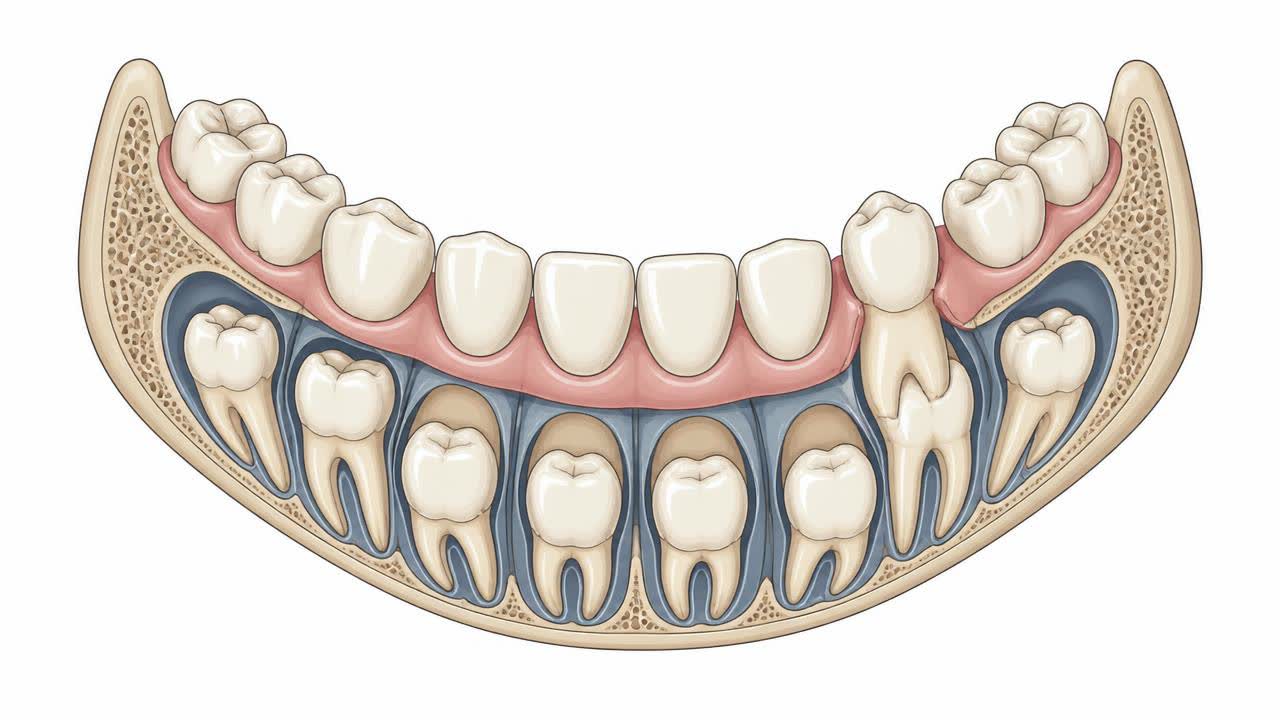
The first permanent molars are often called the 'six-year molars' because they typically erupt around age six. They are arguably the most important teeth in the permanent dentition, as they establish the foundation of your child's bite and guide the alignment of the future permanent teeth. Because they erupt behind the baby teeth, they are not preceded by the loss of a primary tooth.
Since these molars must last for your child's entire life, it is vital to keep them healthy from the moment they appear. They are susceptible to decay due to their location at the back of the mouth, where they are harder to reach and clean properly. Consistent oral hygiene and professional preventative measures are essential to ensure these teeth remain strong and cavity-free during these formative years.
Preventative Measures: Sealants
One of the most effective ways to protect these vulnerable molars is through the application of pit and fissure sealants. These are thin, protective plastic coatings that we apply to the chewing surfaces of the back teeth. By sealing off the deep grooves and fissures, we create a barrier that prevents food particles and bacteria from accumulating, which is the primary cause of decay in these areas.
The procedure is quick, simple, and completely painless, requiring no needles or drills. It provides an immediate layer of protection that can last for several years, giving your child the best start for their new permanent teeth. Our team at Dr. Amit Sharma Super Speciality Dental Hospital recommends assessing your child’s need for sealants as soon as these permanent molars begin to erupt into the mouth.
Professional Monitoring
Regular dental visits allow us to monitor the health and eruption of these critical molars closely. We perform thorough assessments to ensure they are clean, healthy, and developing correctly. If we notice early signs of decay, we can intervene immediately with simple, conservative treatments, preventing the need for more complex procedures in the future. We are committed to your child's long-term dental health.
If you have questions about your child's molar development or want to book an appointment for a preventative screening, please contact us. Our team is here to support you and your child in maintaining a strong, healthy smile. Reach out to our helpline at 9314403502 to schedule your next visit and let our dedicated team help protect your child's important first permanent molars today.
Daily Oral Hygiene Habits
Teaching your child effective brushing habits is the first line of defence for their permanent molars. Since these teeth are located right at the back of the mouth, they can be easily missed. Encourage your child to spend extra time ensuring the bristles reach the very back of their mouth, and supervise their technique until they have the dexterity to clean these areas effectively on their own.
Incorporating a fluoride-containing toothpaste is essential, as fluoride helps to strengthen the enamel and make it more resistant to acid attacks from sugar and plaque bacteria. Regular flossing is also encouraged once the teeth have erupted enough to have contact points. Our dental team provides hands-on demonstrations to help your child master these essential skills, ensuring their long-term oral health is well-maintained at home.
The Impact of Diet
Diet plays a significant role in the health of your child's permanent molars. Reducing the frequency of sugar consumption helps limit the duration of acid attacks on the enamel. Encourage snacks like fresh fruit, vegetables, cheese, or nuts rather than sticky, sugary treats that linger in the grooves of the teeth. Teaching healthy snacking habits now helps protect their permanent teeth throughout their teenage years and beyond.
Drinking water throughout the day, particularly after meals, helps to wash away food debris and neutralise acids in the mouth. Encouraging your child to choose water as their primary beverage is a simple, effective change that can have a profound impact on their dental health. At Dr. Amit Sharma Super Speciality Dental Hospital, we provide tailored nutritional advice to support families in making healthy choices for their children.
Questions patients ask us
- Why are the first permanent molars so important?
- They are the foundation of your child's bite and guide the alignment of all other permanent teeth. Since they appear around age six and are the first permanent teeth to erupt, they must last a lifetime. Protecting them early is crucial for long-term dental health and preventing future orthodontic issues.
- What are pit and fissure sealants?
- Sealants are thin, protective coatings applied to the chewing surfaces of back teeth to fill in deep grooves. They act as a physical barrier that prevents bacteria and food from getting trapped, which significantly lowers the risk of cavities. It is a quick, painless, and highly effective preventative treatment.
- When should I start cleaning my child's new molars?
- You should begin cleaning them as soon as they start to appear. Because they are at the very back of the mouth, they are easy to miss. Supervise your child's brushing until they are around age seven or eight to ensure they are reaching these vital teeth effectively every single day.
- Can diet affect the health of these molars?
- Absolutely. Frequent intake of sugary or acidic foods and drinks can lead to decay, especially in the deep grooves of molars. Encouraging healthy snacks and water, and limiting sugary treats, helps protect the enamel from constant acid attacks, ensuring these important teeth stay strong and healthy for years to come.
Sources and further reading
Guidance from professional and public health bodies. Clinical decisions here are made on your own examination and radiographs.
- 1.Best practice policies and clinical recommendations — American Academy of Pediatric Dentistry
- 2.Delivering better oral health — an evidence-based toolkit — Public Health England / OHID
- 3.Oral health — fact sheet and global status report — World Health Organization
- 4.Policy statements and oral health definitions — FDI World Dental Federation
- 5.Dental health — conditions, treatments and patient guidance — NHS (UK)
- 6.Systematic reviews of oral and dental interventions — Cochrane Oral Health
- 7.Regulatory framework and dental education standards in India — Dental Council of India
When to see us
Get examined without waiting if any of the following applies to you:
- Facial swelling, fever or refusal to eat or drink in a child — seek same-day care
- Dental injury to a child's tooth, especially if it is displaced or knocked out
- A dark or discoloured tooth, or a lump on the gum above a tooth
Get a written plan and cost before you commit
If this is what you are dealing with, the next step is a consultation with radiographs — children's dentistry cases are seen by the specialist who handles that field. You get a written plan and staged cost before anything begins.
reception@dramitsharmahospital.comThis article is general education and does not replace an in-person examination, radiographs or a diagnosis by a qualified dentist.
Clinical terms in this article
Related in Children's Dentistry
Children's Dental Care by Age
First visit timing, fluoride and sealants, why milk teeth matter, and managing dental anxiety in children.
Pulpotomy vs Pulpectomy in Baby Teeth Explained
This clinical guide clarifies the differences between a pulpotomy and a pulpectomy in primary teeth. Learn about deciduous pulp anatomy, diagnostic criteria, clinical steps, restorative crowns, post-operative care, and when emergency dental attention is necessary.
Regenerative Endodontics for Immature Teeth with Pulp Necrosis
A regenerative endodontic procedure restores vascularity and tissue vitality to immature permanent teeth affected by pulp necrosis. This evidence-based guide details diagnostic protocols, biologically based revascularisation steps, treatment comparisons, recovery expectations, and long-term tooth preservation strategies.
Apexification Procedure for Immature Permanent Teeth in Children
An apexification procedure is a specialised dental intervention designed to treat non-vital, immature permanent teeth in children. It creates a calcified apical barrier, enabling effective root canal obturation while preserving the natural tooth within the developing jaw.
Apexogenesis Procedure to Preserve Pulp Vitality in Children
Apexogenesis is a vital pulp therapy that preserves living pulp tissue in immature permanent teeth of children. By maintaining vascularity, it enables continued root lengthening, dentinal wall thickening, and natural apical closure following traumatic injury or deep decay.
Palatal Expanders for Children: How Rapid Palatal Expansion Works
A clinical guide to rapid palatal expansion in children. Learn how a palate expander for kids corrects transverse maxillary constriction, posterior crossbites, and severe crowding before midpalatal suture fusion during natural skeletal development.