At a glance
- Ceramic braces are a popular choice for adult patients who desire the efficacy of traditional metal braces but wish to avoid the visible appearance of steel.
- Metal braces are widely considered the most durable and reliable orthodontic appliance available.
- A crucial distinction between ceramic and metal braces is the maintenance of the appliance itself.
- Your choice often comes down to your personal aesthetic comfort.
- Whether you select ceramic or metal, the long-term outcomes are equally excellent when performed by skilled clinicians.
Understanding Ceramic Braces
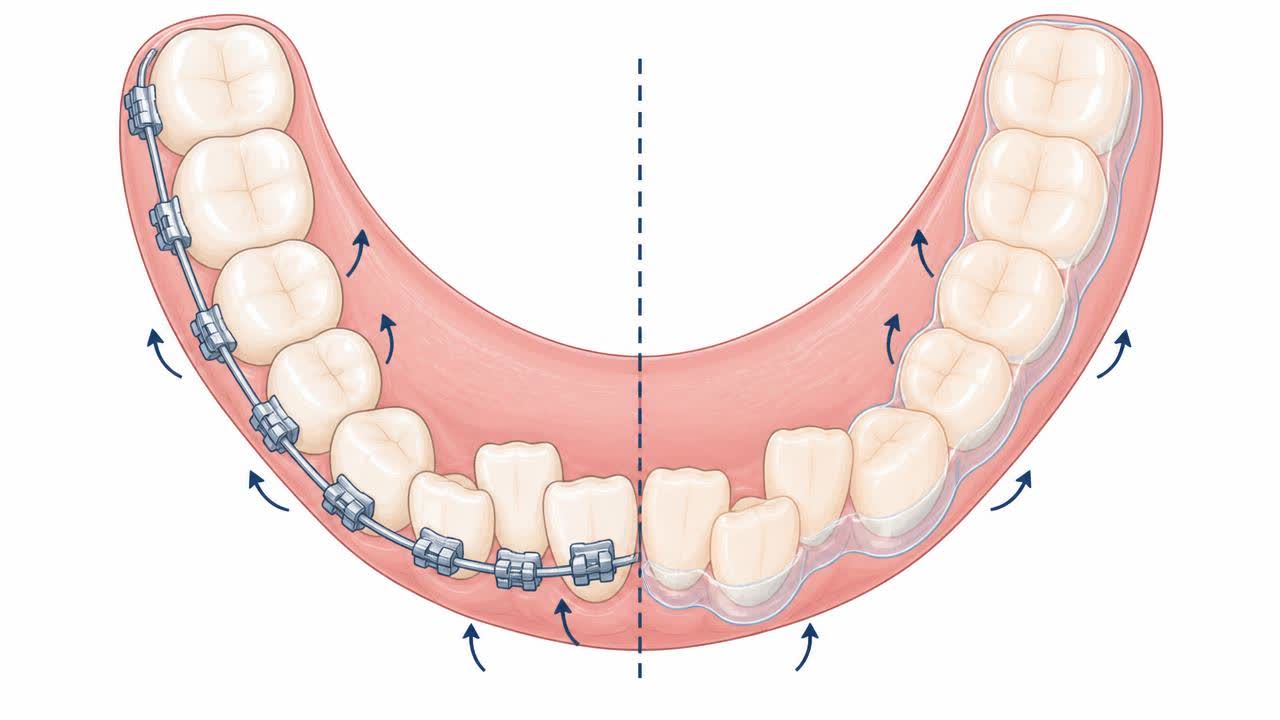
Ceramic braces are a popular choice for adult patients who desire the efficacy of traditional metal braces but wish to avoid the visible appearance of steel. These brackets are crafted from translucent or tooth-coloured materials that blend seamlessly with your natural tooth shade. They provide the same high level of control and corrective power as metal braces, making them an excellent choice for complex alignment issues.
While they are less noticeable, ceramic brackets are slightly larger than their metal counterparts. They also require more delicate care because the material is more brittle than surgical-grade stainless steel. Despite this, for many patients seeking a discreet look during their orthodontic journey, the aesthetic benefits of ceramic braces far outweigh the minor adjustments in handling required during treatment at our clinic.
The Durability of Metal Braces
Metal braces are widely considered the most durable and reliable orthodontic appliance available. Their robust stainless steel construction makes them highly resistant to breakage, which is a major advantage for patients with demanding schedules who cannot afford frequent unscheduled visits for bracket repairs. They handle heavy forces effectively, making them the preferred choice for severe bite corrections and complex dental movements.
Because they are so sturdy, metal braces often allow for more efficient tooth movement in difficult cases. They are also generally more cost-effective than ceramic alternatives. For younger patients or those for whom aesthetics is less of a primary concern than speed and robustness, metal braces remain a steadfast option that consistently delivers excellent, life-changing orthodontic results under the care of our specialists.
Assessing Your Aesthetic Priorities
Your choice often comes down to your personal aesthetic comfort. If you have a professional role that involves frequent public speaking or client meetings, ceramic braces may provide the confidence boost you need. They are almost invisible from a distance, allowing you to undergo treatment with minimal impact on your appearance. It is a balance between your personal image and your long-term health objectives.
Our team at Dr. Amit Sharma Super Speciality Dental Hospital understands these concerns. We guide you through the process, showing you how different options will look and function in your unique case. By discussing your lifestyle, career, and personal goals, we ensure that your choice of braces fits perfectly into your life while moving you steadily toward the beautiful, healthy smile you deserve.
Long-Term Treatment Outcomes
Whether you select ceramic or metal, the long-term outcomes are equally excellent when performed by skilled clinicians. Both systems rely on precise, evidence-based biomechanics to align your teeth and correct your bite. The material of the bracket does not dictate the quality of the final result; rather, it is the expertise of the orthodontist, the accuracy of the treatment plan, and your commitment to the process.
We encourage you to visit our facility in Jaipur to explore these options further. Our team provides comprehensive advice, ensuring you fully understand the care required for each appliance type. Call us at 9314403502 to schedule an appointment. Let us help you achieve a stunning smile with the perfect orthodontic solution tailored to your aesthetic preferences and clinical needs today.
Maintenance and Staining Issues
A crucial distinction between ceramic and metal braces is the maintenance of the appliance itself. Ceramic brackets are designed to be stain-resistant, but the clear elastic bands used to secure the wires can easily pick up colours from foods and beverages like coffee, turmeric, or red wine. Regular replacement of these elastics is mandatory to maintain the aesthetic appeal of your ceramic braces throughout the treatment.
Metal braces do not have the same risk of staining. While the metal components themselves will not discolour, you still need to be diligent about oral hygiene to prevent white spots around the brackets. Regardless of the material you choose, meticulous brushing and interdental cleaning are non-negotiable for preserving your enamel health and achieving the desired outcome during your time in orthodontic care at our hospital.
Questions patients ask us
- Are ceramic braces more expensive?
- Yes, ceramic braces typically cost more than traditional metal braces. This reflects the advanced materials used to create the tooth-coloured, stain-resistant brackets. We can discuss the full cost breakdown during your initial consultation at our hospital to help you plan your investment in your smile.
- Can ceramic braces stain?
- The ceramic brackets themselves are highly stain-resistant. However, the elastic modules that hold the wire in place are made of a different material and can easily stain from dark foods or drinks like tea and coffee. We replace these bands regularly during your adjustment appointments to keep them looking fresh.
- Are ceramic braces as strong as metal?
- They are durable enough for most orthodontic needs, but they are more brittle than metal. This means they are more prone to breaking if you eat hard or sticky foods. We advise all our patients to follow strict dietary guidelines to protect their brackets throughout their treatment period.
- How do I decide which to choose?
- The choice depends on your aesthetic goals, budget, and the complexity of your case. During your assessment, our orthodontists will explain the pros and cons of both, helping you make an informed decision that balances your desire for a discreet look with the need for effective treatment.
Sources and further reading
Guidance from professional and public health bodies. Clinical decisions here are made on your own examination and radiographs.
- 1.Orthodontic treatment and retention — patient resources — American Association of Orthodontists
- 2.Patient information leaflets on appliances and retention — British Orthodontic Society
- 3.Oral health — fact sheet and global status report — World Health Organization
- 4.Policy statements and oral health definitions — FDI World Dental Federation
- 5.Dental health — conditions, treatments and patient guidance — NHS (UK)
- 6.Systematic reviews of oral and dental interventions — Cochrane Oral Health
- 7.Regulatory framework and dental education standards in India — Dental Council of India
When to see us
Get examined without waiting if any of the following applies to you:
- A broken bracket, poking wire or appliance causing ulceration
- A tooth that becomes painful, loose or discoloured during treatment
- Jaw joint pain, locking or a bite that has changed suddenly
Get a written plan and cost before you commit
If this is what you are dealing with, the next step is a consultation with radiographs — orthodontics cases are seen by the specialist who handles that field. You get a written plan and staged cost before anything begins.
reception@dramitsharmahospital.comThis article is general education and does not replace an in-person examination, radiographs or a diagnosis by a qualified dentist.
Clinical terms in this article
Related in Orthodontics
Aligners and Braces: Choosing the Right Option
Metal, ceramic and clear aligner treatment compared, duration, visibility, cost and suitability.
Tooth Extraction for Braces or Severe Crowding Issues
Orthodontic extractions involve the planned removal of select teeth to resolve severe crowding, correct bimaxillary protrusion, and balance dentoalveolar proportions. This clinical guide details diagnostic indications, extraction patterns, procedural steps, recovery, risks, and evidence-based non-extraction alternatives.
Maxillary Osteotomy for Open Bite Alignment and Correction
Maxillary osteotomy for open bite corrects severe vertical skeletal discrepancies through surgical repositioning of the upper jaw. Combined with orthodontics, this procedure restores chewing function, improves speech articulation, and ensures long-term occlusal and facial stability.
Surgically Assisted Rapid Palatal Expansion for Adult Palate Widening
Surgically assisted rapid palatal expansion (SARPE) is a combined orthodontic and surgical treatment designed to correct severe transverse maxillary deficiency in skeletally mature adults, widening the narrow upper jaw to restore functional occlusion, stability, and airway volume.
Surgical Exposure and Bracket Bonding for Impacted Canine Teeth
This clinical guide details impacted canine exposure surgery and bracket bonding. It explains anatomical causes, CBCT diagnostic pathways, open versus closed surgical techniques, orthodontic traction mechanisms, recovery protocols, and evidence-based strategies to manage complications.
Overbite vs Overjet: Key Differences and Correction Methods
This clinical guide clarifies the distinction between overbite (vertical overlap) and overjet (horizontal protrusion). It examines their aetiology, diagnostic pathways, classification, and evidence-based orthodontic and surgical correction methods across paediatric and adult populations.