At a glance
- The temporomandibular joint (TMJ) connects your lower jaw to the skull and is essential for daily functions like chewing, speaking, and yawning.
- Orthodontic treatment can be highly effective in addressing TMJ issues caused by a poor bite.
- It is important to note that TMJ symptoms are complex and can be caused by various factors, including stress, grinding, or joint inflammation, and not just bite issues.
- If we determine that orthodontic treatment is the right path for your TMJ relief, we will guide you through the process step by step.
- If you are suffering from jaw pain, clicking, or other TMJ symptoms, please do not suffer in silence.
Understanding the TMJ Connection
The temporomandibular joint (TMJ) connects your lower jaw to the skull and is essential for daily functions like chewing, speaking, and yawning. When your teeth are misaligned or your bite is uneven, it can place undue stress on these complex joints. Over time, this imbalance may lead to TMJ symptoms, including jaw pain, clicking or popping sounds when opening your mouth, persistent headaches, or muscle tension around your face, neck, and shoulders.
At Dr. Amit Sharma Super Speciality Dental Hospital, we conduct a thorough assessment of your bite and jaw function during your initial consultation. By understanding the relationship between your teeth and your jaw joints, we can determine if orthodontic treatment might help alleviate these symptoms. Our goal is to create a balanced, stable bite that functions smoothly, reducing stress on your joints and improving your comfort and overall quality of life.
Careful Assessment and Treatment Planning
It is important to note that TMJ symptoms are complex and can be caused by various factors, including stress, grinding, or joint inflammation, and not just bite issues. That is why a meticulous diagnostic assessment is essential before beginning any orthodontic treatment. We take the time to perform a full evaluation of your jaw joints and muscle function, ensuring that orthodontics is the right solution for your specific needs and concerns.
We also coordinate care with other specialists, such as physical therapists or pain management experts, if a multi-disciplinary approach is required. This level of comprehensive care ensures you receive the most effective, evidence-based treatment for your TMJ symptoms. Our goal is to achieve a stable, comfortable result, and we are committed to providing you with the expert guidance you need to make an informed decision for your health.
The Role of Orthodontics in TMJ Relief
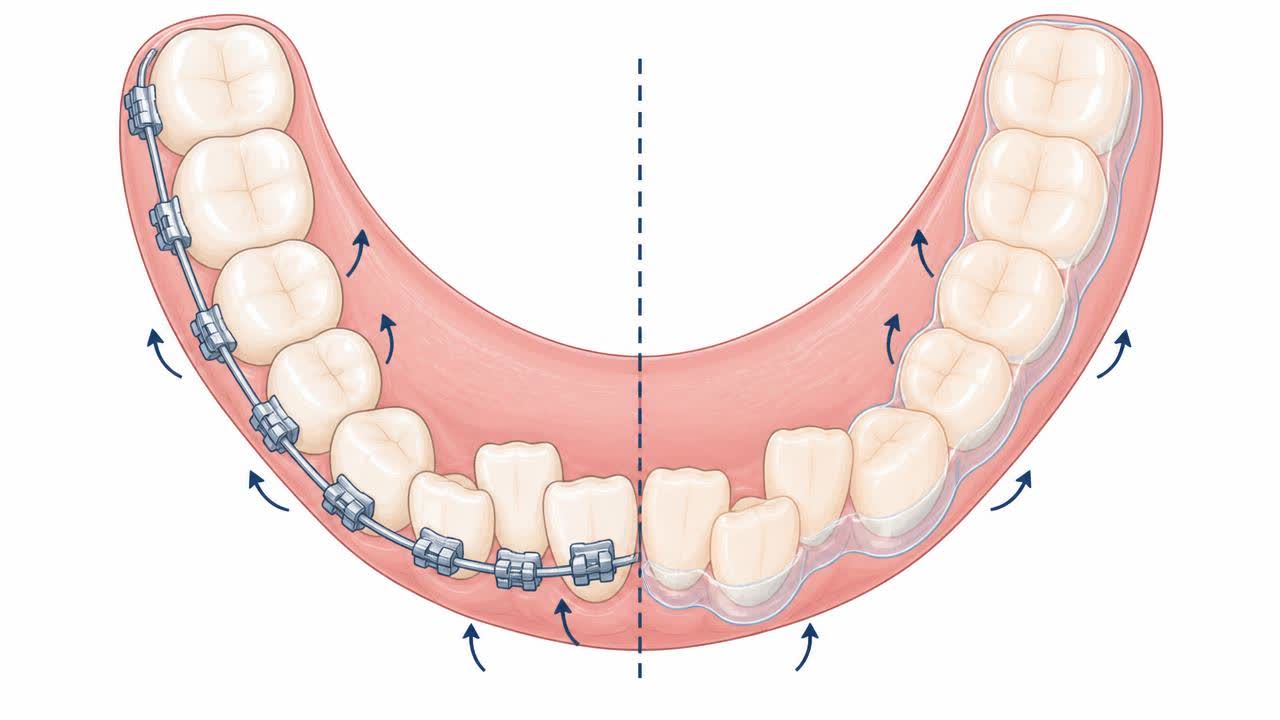
Orthodontic treatment can be highly effective in addressing TMJ issues caused by a poor bite. By correctly aligning your teeth, we ensure that your upper and lower jaws fit together properly, which helps distribute the forces of chewing evenly across all your teeth. This balanced bite reduces the strain on your TMJ, often leading to a significant reduction in symptoms like clicking, discomfort, or muscle tightness over the course of your treatment journey.
Our specialists take a comprehensive approach to managing TMJ concerns. We evaluate your bite mechanics and the way your teeth meet, creating a custom treatment plan that prioritises both aesthetic improvement and functional comfort. By addressing the root cause of the joint stress—a malaligned bite—we work to provide you with lasting relief and a more comfortable, functional jaw for the years to come.
What to Expect During Your Journey
If we determine that orthodontic treatment is the right path for your TMJ relief, we will guide you through the process step by step. You may experience some initial adjustment as your bite begins to change, which is completely normal. Our team remains in close contact with you, monitoring your symptoms and the way your jaw is responding, ensuring your treatment is as comfortable and effective as possible throughout.
Our commitment to your comfort extends beyond just your teeth. We are focused on your overall well-being and are dedicated to helping you achieve a healthier, more comfortable, and functional jaw. Whether you are seeking relief from persistent pain or are simply concerned about the clicking in your jaw, we are here to help you find the right, professional solution for your unique, individual situation.
Seeking Professional Help
If you are suffering from jaw pain, clicking, or other TMJ symptoms, please do not suffer in silence. These issues are best addressed by experienced clinicians who understand the complex relationship between your teeth, your jaw, and your overall dental health. We invite you to schedule a consultation at our hospital in Jaipur to explore how we can help you find lasting relief and improved function.
Contact us at 9314403502 today. We look forward to conducting a thorough assessment and discussing the potential benefits of orthodontic treatment for your specific situation. You deserve a life free from jaw discomfort, and our team is dedicated to providing the expert, compassionate care you need to achieve just that. Let us help you start your journey to a more comfortable, pain-free smile.
Questions patients ask us
- Can misaligned teeth cause jaw pain?
- Yes. When your teeth do not fit together properly, it can put excessive, uneven pressure on your temporomandibular joints (TMJ) and the surrounding muscles. This strain can lead to pain, clicking, or even restricted movement in your jaw, which is why an orthodontic assessment is so important.
- Will braces definitely cure my TMJ symptoms?
- Orthodontic treatment can be highly effective if your symptoms are caused by bite issues. However, TMJ symptoms have many potential causes. We perform a thorough diagnostic evaluation to determine if your bite is the primary cause and to ensure that orthodontics is the right solution for your specific symptoms.
- Is it normal to have jaw clicking?
- Occasional clicking is not always a sign of a major problem, but persistent or painful clicking should be evaluated. It often indicates that the jaw joint is not moving as smoothly as it should. A professional assessment can help determine the cause and the best way to address it.
- What should I do if I have jaw pain?
- If you have jaw pain, the best approach is to schedule a professional consultation. We will evaluate your jaw joints, muscle function, and bite to understand the cause of your discomfort and provide a professional, evidence-based plan to help you find relief.
Sources and further reading
Guidance from professional and public health bodies. Clinical decisions here are made on your own examination and radiographs.
- 1.Orthodontic treatment and retention — patient resources — American Association of Orthodontists
- 2.Patient information leaflets on appliances and retention — British Orthodontic Society
- 3.Oral health — fact sheet and global status report — World Health Organization
- 4.Policy statements and oral health definitions — FDI World Dental Federation
- 5.Dental health — conditions, treatments and patient guidance — NHS (UK)
- 6.Systematic reviews of oral and dental interventions — Cochrane Oral Health
- 7.Regulatory framework and dental education standards in India — Dental Council of India
When to see us
Get examined without waiting if any of the following applies to you:
- A broken bracket, poking wire or appliance causing ulceration
- A tooth that becomes painful, loose or discoloured during treatment
- Jaw joint pain, locking or a bite that has changed suddenly
Get a written plan and cost before you commit
If this is what you are dealing with, the next step is a consultation with radiographs — orthodontics cases are seen by the specialist who handles that field. You get a written plan and staged cost before anything begins.
reception@dramitsharmahospital.comThis article is general education and does not replace an in-person examination, radiographs or a diagnosis by a qualified dentist.
Clinical terms in this article
Related in Orthodontics
Aligners and Braces: Choosing the Right Option
Metal, ceramic and clear aligner treatment compared, duration, visibility, cost and suitability.
Tooth Extraction for Braces or Severe Crowding Issues
Orthodontic extractions involve the planned removal of select teeth to resolve severe crowding, correct bimaxillary protrusion, and balance dentoalveolar proportions. This clinical guide details diagnostic indications, extraction patterns, procedural steps, recovery, risks, and evidence-based non-extraction alternatives.
Maxillary Osteotomy for Open Bite Alignment and Correction
Maxillary osteotomy for open bite corrects severe vertical skeletal discrepancies through surgical repositioning of the upper jaw. Combined with orthodontics, this procedure restores chewing function, improves speech articulation, and ensures long-term occlusal and facial stability.
Surgically Assisted Rapid Palatal Expansion for Adult Palate Widening
Surgically assisted rapid palatal expansion (SARPE) is a combined orthodontic and surgical treatment designed to correct severe transverse maxillary deficiency in skeletally mature adults, widening the narrow upper jaw to restore functional occlusion, stability, and airway volume.
Surgical Exposure and Bracket Bonding for Impacted Canine Teeth
This clinical guide details impacted canine exposure surgery and bracket bonding. It explains anatomical causes, CBCT diagnostic pathways, open versus closed surgical techniques, orthodontic traction mechanisms, recovery protocols, and evidence-based strategies to manage complications.
Overbite vs Overjet: Key Differences and Correction Methods
This clinical guide clarifies the distinction between overbite (vertical overlap) and overjet (horizontal protrusion). It examines their aetiology, diagnostic pathways, classification, and evidence-based orthodontic and surgical correction methods across paediatric and adult populations.